Korean Air Ends Airbus A380 Operations on Eleven International Routes
Korean Air has ended Airbus A380 operations on eleven international routes as part of its fleet optimization strategy and shift toward more efficient aircraft.
 Jishan Khan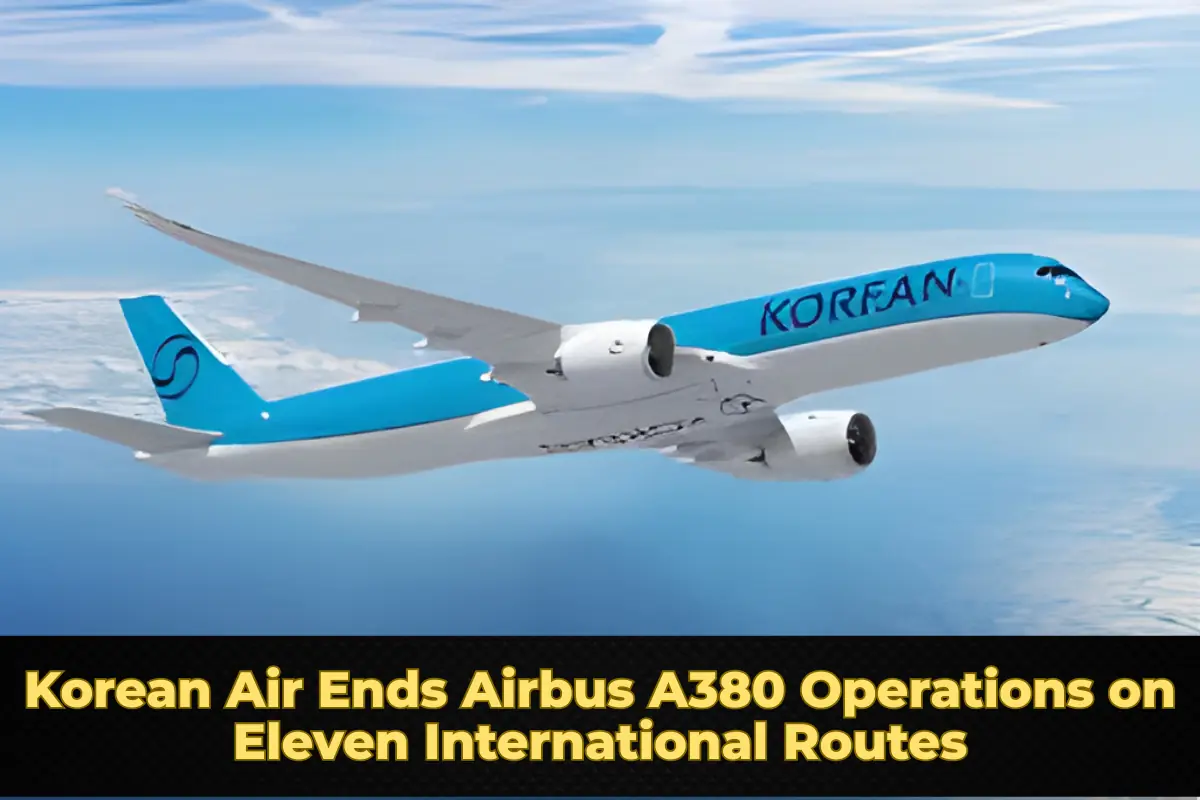
Korean Air has discontinued the use of its Airbus A380 aircraft on eleven international routes in 2026 as part of a broader fleet optimization strategy aimed at improving efficiency, reducing operational costs, and aligning capacity with evolving passenger demand across its long-haul network.
The move affects multiple major routes previously served by the double-deck, high-capacity aircraft, with the airline transitioning to more flexible and fuel-efficient widebody jets such as the Boeing 777 and Airbus A350. The decision reflects changing market dynamics and the airline’s long-term approach to fleet modernization.
Shift Away from High-Capacity Aircraft
The Airbus A380, once considered a flagship aircraft for high-density routes, has become less central to airline operations in recent years. Korean Air’s decision to remove the aircraft from eleven routes underscores a wider industry trend toward smaller, more efficient aircraft that offer greater operational flexibility.
High-capacity aircraft like the A380 are best suited for consistently high-demand routes, but fluctuating travel patterns and evolving passenger preferences have made it more challenging to maintain optimal load factors. As a result, airlines are increasingly deploying aircraft that can better match varying demand levels.
By transitioning away from the A380 on these routes, Korean Air aims to improve route profitability and optimize seat capacity without compromising connectivity.
Routes Affected by the Change
The airline has removed A380 operations from eleven international routes, which previously connected major global destinations across Asia, Europe, and North America. While the airline continues to serve these markets, the aircraft type has been replaced with alternative widebody jets.
This adjustment allows Korean Air to maintain its network presence while improving operational efficiency. The airline has not withdrawn from the affected routes but has instead recalibrated capacity to better align with current travel demand.
Passengers on these routes will continue to have access to Korean Air’s services, albeit on different aircraft types that may offer updated cabin products and configurations.
Focus on Fuel Efficiency and Cost Management
Fuel efficiency has become a critical factor in airline decision-making, particularly amid volatile fuel prices and increasing pressure to manage operating costs. The Airbus A380, while offering significant passenger capacity, is less fuel-efficient per trip compared to newer-generation aircraft.
By deploying aircraft such as the Boeing 777 and Airbus A350, Korean Air can reduce fuel consumption and improve cost efficiency. These aircraft are designed to deliver better performance on long-haul routes while maintaining passenger comfort.
The shift is expected to contribute to lower operating costs and improved financial performance over time.
Adapting to Changing Passenger Demand
Passenger demand patterns have evolved significantly, with airlines observing more variability across routes and seasons. The use of smaller widebody aircraft allows carriers to adjust capacity more effectively, reducing the risk of underfilled flights.
Korean Air’s decision reflects a strategic response to these changes, enabling the airline to match supply with demand more accurately. This approach also supports improved load factors and revenue management.
Flexibility in aircraft deployment is increasingly important as airlines navigate a dynamic global travel environment.
Fleet Modernization Strategy
The removal of A380 operations from these routes is part of Korean Air’s broader fleet modernization strategy. The airline has been investing in newer aircraft models that offer enhanced efficiency, reduced emissions, and improved passenger experience.
Modern aircraft such as the Airbus A350 and Boeing 787 are central to this strategy, providing the airline with the ability to operate long-haul routes more sustainably and cost-effectively. These aircraft also support the airline’s environmental goals by reducing carbon emissions per passenger.
The transition reflects a long-term commitment to maintaining a competitive and modern fleet.
Industry-Wide Trends in A380 Usage
Korean Air’s move mirrors a broader trend across the aviation industry, where airlines are reevaluating the role of the Airbus A380 in their fleets. Several carriers have reduced or retired A380 operations, citing high operating costs and limited flexibility.
The aircraft’s reliance on high passenger volumes and specific airport infrastructure has made it less adaptable in a changing market. As a result, airlines are prioritizing aircraft that can serve a wider range of routes with greater efficiency.
While some carriers continue to operate the A380 on select high-demand routes, its overall presence in global fleets has declined.
Impact on Passenger Experience
The transition away from the A380 may result in changes to the onboard experience for passengers. The A380 is known for its spacious cabins and premium features, including onboard lounges and enhanced seating configurations.
However, newer aircraft types also offer modern amenities, including improved cabin pressure, advanced entertainment systems, and upgraded seating options. Airlines are focusing on delivering a consistent and high-quality experience across different aircraft types.
Korean Air is expected to maintain its service standards while adapting to the new fleet mix.
Competitive Positioning
By optimizing its fleet and improving efficiency, Korean Air aims to strengthen its competitive position in the global aviation market. The ability to operate cost-effective and flexible aircraft is a key advantage in a highly competitive industry.
The airline competes with other major carriers in Asia and beyond, all of which are pursuing similar strategies to enhance efficiency and adapt to market conditions. Fleet decisions play a critical role in determining an airline’s ability to compete effectively.
Korean Air’s adjustments are expected to support its long-term growth and operational resilience.
Future Outlook
Looking ahead, Korean Air is likely to continue evaluating its fleet composition and route network to ensure alignment with market trends and operational requirements. The airline may further reduce reliance on high-capacity aircraft while expanding the use of next-generation models.
As travel demand continues to evolve, airlines will remain focused on flexibility, efficiency, and sustainability. Korean Air’s strategy reflects these priorities and positions the airline to adapt to future changes in the aviation landscape.
The ongoing shift toward modern aircraft is expected to shape the airline’s operations in the coming years.
Current Status
Korean Air has ended Airbus A380 operations on eleven international routes, replacing the aircraft with more efficient alternatives as part of its ongoing fleet optimization strategy.