Korean Air Pilot Dispute Ahead of Asiana Merger Intensifies
Korean Air faces the Korean Air pilot dispute over pilot seniority integration with Asiana Airlines ahead of their planned 2026 merger, raising Korean Air union strike concerns.
 Jishan Khan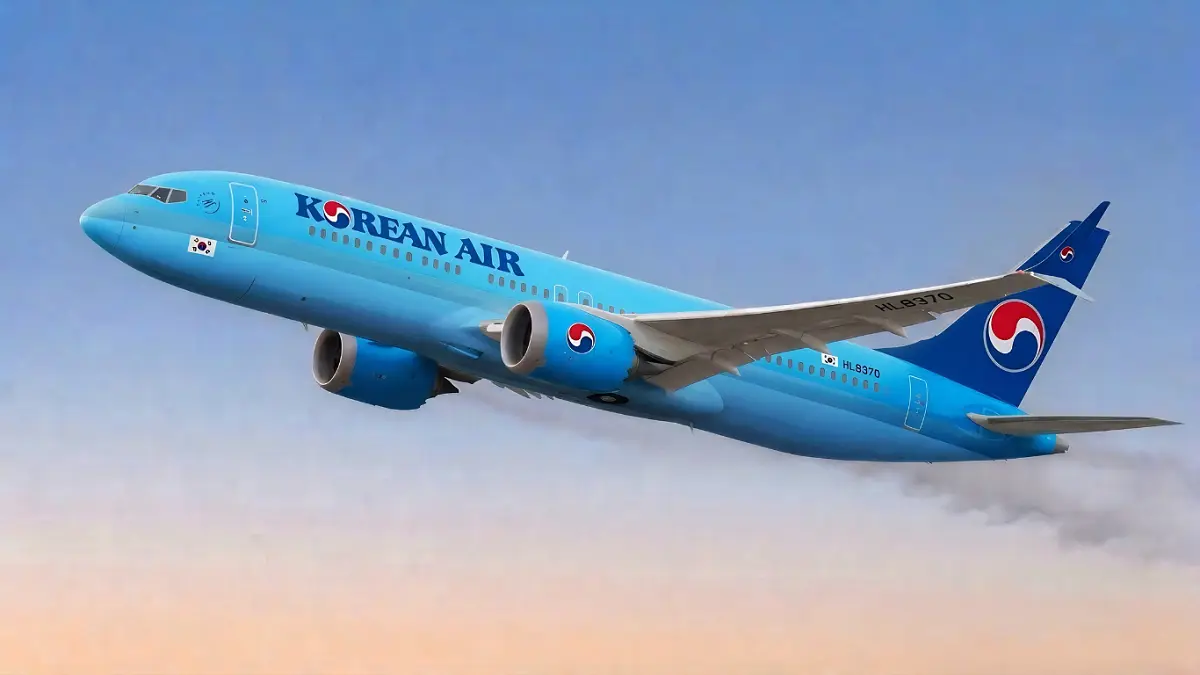
Korean Air is facing growing tensions linked to the Korean Air pilot dispute as unions challenge proposed pilot seniority integration plans tied to the upcoming Asiana Airlines merger in late 2026.
The disagreement centers on how Korean Air and Asiana Airlines pilots will be combined into a unified seniority structure, with unions warning that unresolved issues could lead to a Korean Air union strike and wider airline labor dispute Korea concerns.
Pilot Seniority Integration at Core of Korean Air Pilot Dispute
The main issue in the Korean Air pilot dispute involves pilot seniority integration between both airlines.
Management is reportedly considering a hire-date-based system, a common approach in airline mergers, but unions argue the model could negatively affect promotion timelines and command upgrades for existing crews.
Pilot representatives say the proposed structure may alter career progression opportunities for Asiana Airlines pilots and Korean Air flight crews, particularly regarding captain upgrades, widebody assignments, and long-haul operations.
Korean Air Union Strike Threat Emerges
The possibility of a Korean Air union strike has emerged as tensions escalate over the merger framework.
Union leaders have demanded broader negotiations to ensure fair treatment for pilots from both airlines, warning that unresolved integration issues could lead to industrial action.
The airline labor dispute Korea situation is now considered one of the most critical workforce challenges surrounding the Korean Air Asiana merger.
Korean Air Asiana Merger Faces Workforce Integration Challenges
The Korean Air Asiana merger is expected to create one of Asia’s largest airline groups, but integrating workforces remains a complex process.
Pilot seniority integration directly impacts compensation, scheduling priority, aircraft assignments, and long-term career growth, making negotiations highly sensitive for both Korean Air and Asiana Airlines pilots.
Industry observers note that unresolved labor disputes during airline mergers can lead to operational instability and prolonged union conflicts.
Operational Impact and Industry Implications
The Korean Air pilot dispute highlights broader challenges airlines face when merging large employee groups with different operational structures and promotion systems.
For Korean Air, maintaining operational continuity while addressing union concerns will be essential as the Korean Air Asiana merger moves closer to completion in late 2026.
The outcome of the negotiations may also influence how future airline labor dispute Korea cases are handled across the Asian aviation sector.