Kuwait Airways Adopts State-Owned Joint-Stock Structure
Kuwait has approved a draft law to turn Kuwait Airways into a state-owned joint-stock company with a new governance model.
 Jishan Khan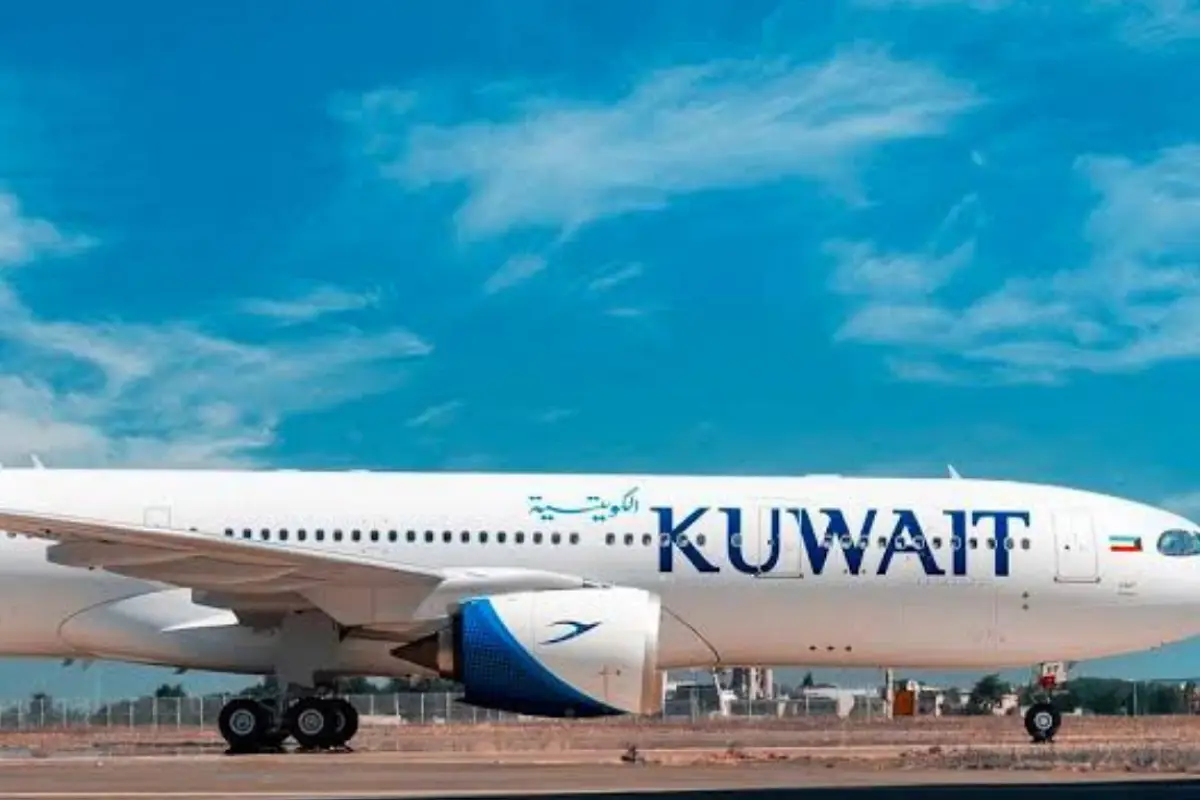
Kuwait Airways Just Chose Governance Reform Over Privatisation, and It Has Tried the Other Way Before
Kuwait's Cabinet approved a draft decree-law on July 15, 2026 transforming Kuwait Airways from a public corporation into a fully state-owned joint-stock company. The legislation has been submitted to the Amir for final endorsement. The government retains 100% ownership, nothing is being sold, no external investors are being brought in, but the legal structure underneath the airline changes entirely.
Kuwait has been trying to fix this airline since 1990. The difference this time is that privatisation is explicitly off the table.
A Restructuring Story Three Decades in the Making
Kuwait Airways has not turned a consistent profit since the Iraqi invasion of 1990, which destroyed most of its fleet and infrastructure. The intervening 36 years have produced a long and largely unsuccessful series of reform attempts. In 2008, Kuwait's parliament voted to privatise the airline, offering 40% of shares to a strategic investor, 35% to the public and 5% to employees, a plan that collapsed amid parliamentary opposition and public resistance to selling a national symbol. In 2004, another restructuring into a shareholding company was proposed specifically to enable eventual privatisation. That too went nowhere.
The July 2026 decree ends that debate definitively. Full government ownership is being maintained. Privatisation is not the goal. The joint-stock structure is the destination, not the vehicle toward something else.
What the Joint-Stock Structure Actually Changes
Converting from a public corporation to a joint-stock company under Kuwaiti law does not change who owns the airline. It changes how the airline is governed, how it makes decisions, and how it accesses capital markets. A shareholding company can issue bonds independently, enter commercial agreements without full cabinet approval for every transaction, recruit executives at market rates rather than civil service scales, and operate under commercial accounting standards rather than government budget frameworks.
Every one of those changes addresses a specific dysfunction that has hampered Kuwait Airways for years. The airline has historically been unable to move quickly on fleet decisions because procurement required extended government approval processes. Executive compensation has been constrained by public sector pay structures that make competing with Emirates, Qatar Airways or Flydubai for talent essentially impossible. Commercial borrowing for aircraft financing has required sovereign guarantees that created contingent liabilities on the government balance sheet.
A joint-stock structure with a proper board, commercial governance and independent financing capability removes those constraints without handing ownership to a private buyer.
How This Compares to the Rest of the Gulf
The Gulf's aviation landscape is built on three distinct governance models, and Kuwait is choosing none of the conventional ones. Emirates operates as a government-owned entity directly under the Dubai government with no independent board, full state control, maximum operational autonomy, funded by Dubai's sovereign wealth. Qatar Airways is 100% state-owned through the Qatar Investment Authority but operates commercially with minimal parliamentary interference and direct CEO access to the Amir. Etihad sits under Abu Dhabi sovereign ownership through ADQ.
Kuwait Airways has historically been closer to a government department than a commercial airline, budget constrained, politically exposed, and unable to make fleet or network decisions at commercial speed. The joint-stock conversion moves it closer to the Qatar Airways model without replicating it, because Kuwait's political structure and parliamentary tradition create accountability pressures that Doha does not face in the same way.
What the Airline Still Needs Beyond Legal Structure
The structural reform is necessary but not sufficient. Kuwait Airways operates a relatively small fleet serving a network of routes that face intense competition from Gulf rivals with far greater scale, better connectivity, and stronger frequent flyer programmes. The joint-stock structure gives the airline the legal tools to compete more effectively, better governance, faster decisions, access to capital. Using those tools requires fleet investment, network rationalisation, and route development that the new structure enables but does not guarantee.
The decree still needs the Amir's signature before it enters the legislative process. Kuwait has been reforming Kuwait Airways for 36 years. This time, at least, the government has made a clear decision about what it actually wants the outcome to look like.