MIAT Eyes Airbus Jets and More Boeing Aircraft
MIAT Mongolian Airlines is considering 10 Airbus aircraft and additional Boeing jets as it looks to reduce reliance on costly operating leases and own more of its fleet.
 Jishan Khan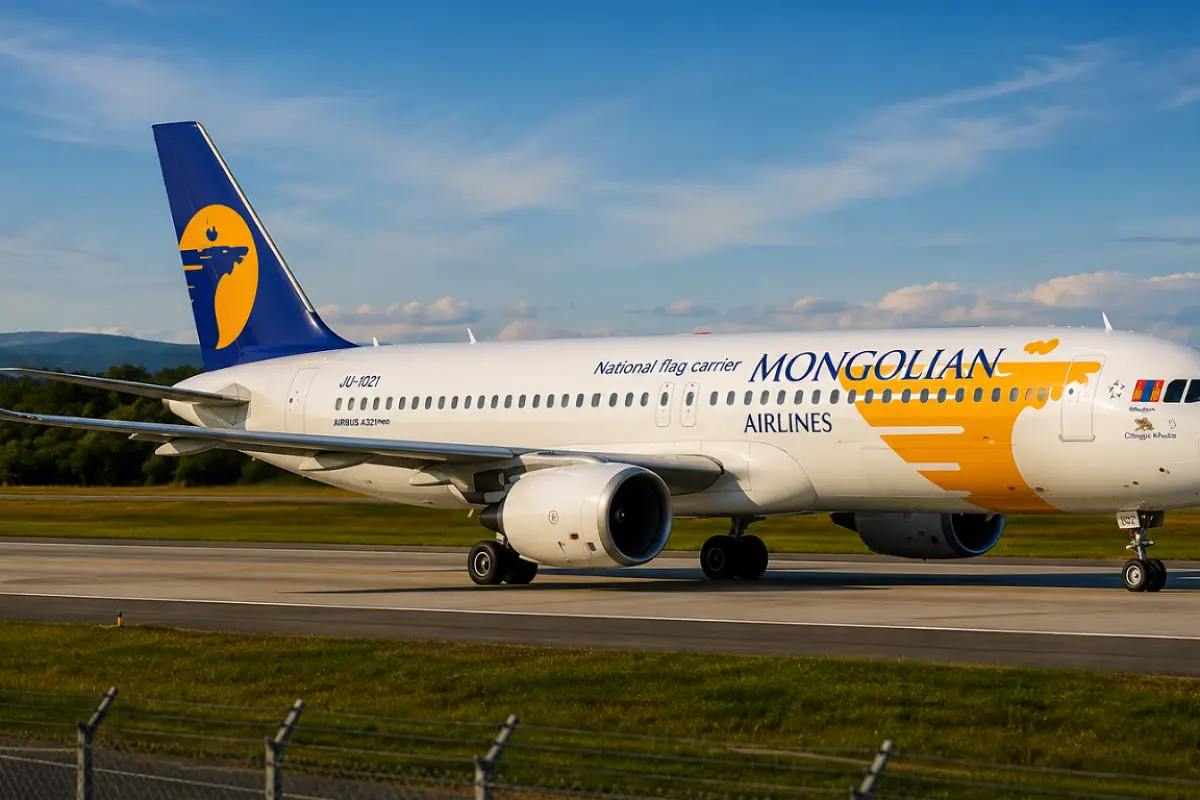
Mongolia Is Trying to Buy Its Way Out of a Lease Trap, And Considering Two Manufacturers at Once to Do It
MIAT Mongolian Airlines is simultaneously evaluating 10 Airbus aircraft and additional Boeing jets as part of a fleet ownership strategy driven by one uncomfortable fact, nine of its current ten aircraft are under operating lease, and the government says high lease payments mean the airline is not generating sufficient returns. Mongolia's road and transport minister Borkhuu Delgersaikhan told local media in June: "We are taking this step with confidence." MIAT itself has not commented.
The confidence is aspirational. The financing is still being arranged.
The Lease Trap Mongolia Wants to Escape
MIAT currently operates one Boeing 737-8, three Boeing 737-800s, one Boeing 757-200 freighter, one Boeing 767-300ER, two Boeing 787-9s, and two Bombardier CRJ700s, almost entirely leased from external owners. The operating lease model that helped MIAT access modern aircraft without upfront capital is now consuming the margin it was supposed to free up. An airline operating in a landlocked country of 3.4 million people between Russia and China, running 20 destinations from a single hub at Ulaanbaatar, cannot generate the revenue to sustain high lease rates across a ten-aircraft fleet while turning a meaningful profit.
The solution the government is proposing, finance leases or direct purchase using guarantees from the Trade and Development Bank of Mongolia, converts the cost structure from a recurring lease payment that builds no equity into an amortising loan that builds ownership over time. The interest cost is real but the airline eventually owns the asset rather than perpetually renting it. For a state-owned carrier with no near-term privatisation on the horizon, that distinction is financially significant over a decade.
Why Adding Airbus Complicates Everything
MIAT last operated an Airbus aircraft in 2011, a single A310-300 retired after 13 years of service. Reintroducing Airbus types after a 15-year Boeing-only period requires new pilot type ratings, separate maintenance certifications, different spare parts inventories and additional engineering training. Operating a mixed fleet will require significant investment in training pilots, cabin crew and technical personnel, costs that sit on top of the aircraft financing itself and reduce the net financial benefit of moving from operating to finance leases.
The government's willingness to absorb those transition costs signals that the Airbus consideration is not simply about aircraft type. It is about pricing leverage. Announcing Airbus interest while simultaneously evaluating additional Boeings creates a competitive procurement dynamic that a single-manufacturer approach cannot generate. MIAT is a small customer in global terms, ten aircraft is not the kind of order that commands Boeing's full commercial attention without an alternative on the table.
What Ulaanbaatar Actually Needs
Mongolia's aviation market is growing, passenger volumes across Central Asia are accelerating, tourism to Mongolian landscapes is expanding, and the country's mining and commodities sector generates executive and freight traffic that requires reliable international connectivity. MIAT's Frankfurt, Istanbul and Tokyo connections are the lifelines that keep Mongolia commercially integrated with global markets.
Owning its own aircraft rather than leasing them is not just a financial efficiency play. It is a strategic resilience decision, an airline that owns its fleet cannot have aircraft repossessed by lessors during a financial squeeze, cannot be held hostage to lease renewal negotiations, and can plan network development around long-term asset deployment rather than short-term contractual windows.
Whether the Trade and Development Bank of Mongolia can structure guarantees large enough to finance ten new aircraft acquisitions for an airline of MIAT's scale, and whether Airbus or Boeing offers terms that make the ownership model genuinely cheaper than leasing. are the questions that will determine whether this plan moves from ministerial announcements to actual aircraft on a Ulaanbaatar tarmac.