Myanmar Airlines Resume Domestic Flights Despite Ongoing Fuel Shortages
Myanmar airlines have resumed domestic flight operations despite ongoing fuel shortages, highlighting efforts to restore connectivity amid operational challenges.
 Jishan Khan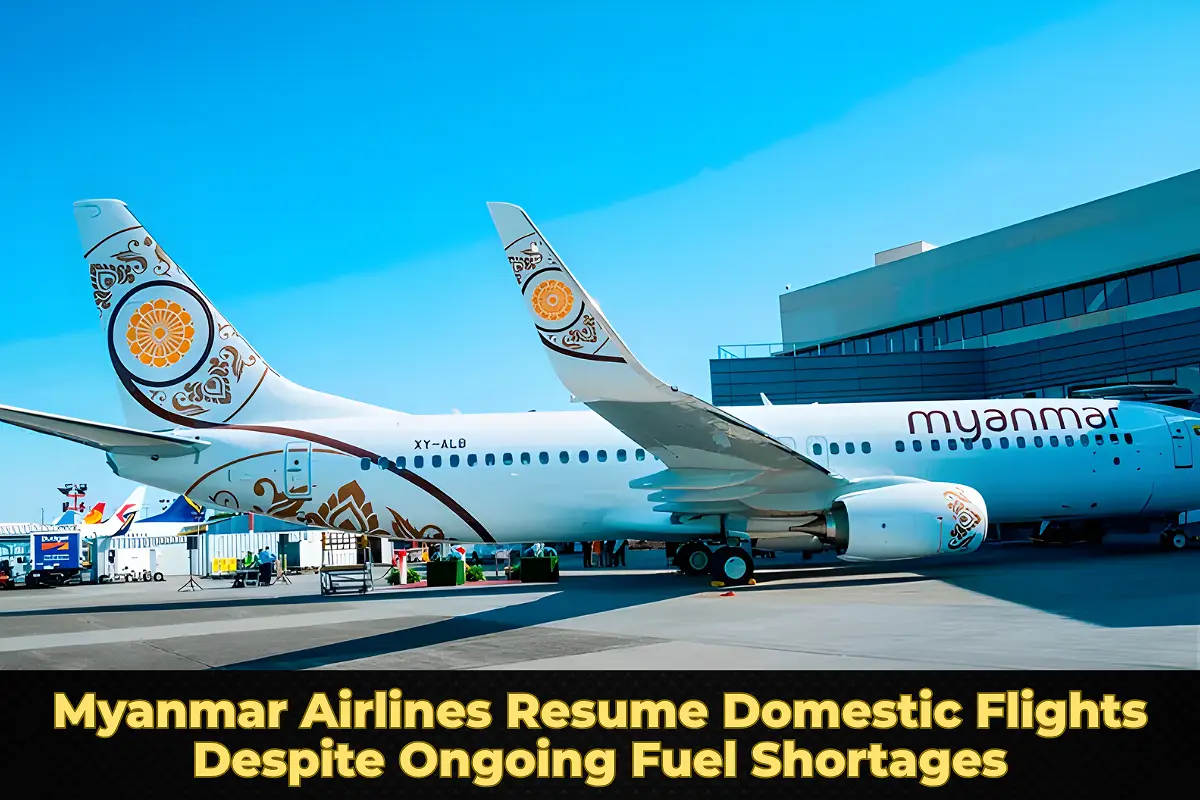
Airlines in Myanmar have resumed domestic flight operations in 2026 despite ongoing aviation fuel shortages, as carriers attempt to restore connectivity across the country while managing significant operational constraints caused by limited fuel supply and logistical challenges.
The resumption of flights comes as Myanmar’s aviation sector faces continued disruption due to fuel scarcity, which has forced airlines to scale back services in recent months. Carriers are now gradually reintroducing domestic routes, prioritizing essential connections and high-demand sectors while working within restricted fuel availability.
Gradual Resumption of Domestic Services
Several Myanmar-based airlines have restarted domestic operations on a limited scale, focusing on key routes linking major cities and regional hubs. The move is aimed at improving mobility for passengers and supporting economic activity, particularly in areas reliant on air travel due to limited ground infrastructure.
Airlines are adopting a phased approach to resuming services, with flight frequencies and schedules adjusted based on fuel availability and operational feasibility. This cautious strategy reflects the ongoing uncertainty surrounding fuel supplies and broader economic conditions.
The restoration of domestic flights is seen as a critical step in stabilizing the country’s aviation sector, which has faced multiple challenges in recent years.
Fuel Shortage Continues to Impact Operations
The aviation fuel shortage remains a major constraint for airlines operating in Myanmar. Limited access to jet fuel has forced carriers to reduce capacity, cancel flights, and implement strict fuel management measures.
Airlines are reportedly prioritizing fuel allocation for essential routes while exploring alternative supply arrangements to sustain operations. However, logistical difficulties and supply chain disruptions continue to hinder efforts to secure consistent fuel availability.
The shortage has also affected operational planning, making it difficult for airlines to maintain regular schedules and meet passenger demand.
Operational Adjustments and Challenges
To cope with fuel constraints, airlines have introduced a range of operational adjustments, including optimizing flight routes, reducing aircraft utilization, and consolidating services where possible. These measures are intended to maximize efficiency while minimizing fuel consumption.
Carriers are also coordinating closely with airport authorities and fuel suppliers to manage available resources effectively. Despite these efforts, operational disruptions remain a risk, particularly if fuel shortages persist or worsen.
Passengers may experience reduced flight options, schedule changes, and potential delays as airlines navigate the challenging operating environment.
Impact on Passengers and Connectivity
The resumption of domestic flights is expected to improve connectivity within Myanmar, providing passengers with increased travel options after a period of reduced services. This is particularly important for business travel, government operations, and access to remote regions.
However, the limited scale of operations means that capacity remains constrained, and ticket availability may be restricted on certain routes. Airfares could also be affected by the supply-demand imbalance and increased operational costs.
Travelers are advised to plan ahead and remain flexible as airlines continue to adjust schedules based on evolving conditions.
Economic and Industry Implications
The aviation sector plays a vital role in Myanmar’s economy, supporting tourism, trade, and regional development. The partial resumption of domestic flights is expected to provide some relief to these sectors, although the overall impact will depend on the sustainability of operations.
Fuel shortages not only affect airlines but also have broader implications for the country’s transportation and logistics systems. Ensuring a stable fuel supply will be critical to supporting economic recovery and maintaining essential services.
Industry stakeholders are likely to monitor the situation closely, with potential policy interventions or support measures needed to address ongoing challenges.
Regional Context and Supply Constraints
The fuel shortage in Myanmar reflects broader challenges in global and regional energy supply chains, which have affected multiple industries, including aviation. Fluctuations in fuel availability and pricing can have significant impacts on airline operations, particularly in emerging markets.
In Myanmar’s case, domestic factors have compounded these challenges, creating a complex operating environment for airlines. Addressing these issues will require coordinated efforts between government authorities, fuel suppliers, and industry participants.
The situation highlights the vulnerability of aviation operations to external supply shocks and the importance of resilient infrastructure.
Outlook for the Aviation Sector
Looking ahead, the recovery of Myanmar’s aviation sector will depend on the resolution of fuel supply issues and the ability of airlines to maintain stable operations. Continued monitoring of fuel availability and demand patterns will be essential in shaping future strategies.
Airlines may gradually expand services if fuel supplies improve, potentially restoring more routes and increasing frequencies. However, uncertainties remain, and the pace of recovery is likely to be gradual.
The sector’s resilience will be tested as it adapts to ongoing challenges while seeking to rebuild capacity and passenger confidence.
Conclusion
Myanmar airlines have resumed domestic flights on a limited basis despite ongoing fuel shortages, as carriers work to restore connectivity while managing operational constraints and monitoring supply conditions.