Shohin Airlines to Acquire Four A320neo Jets for Launch
Shohin Airlines plans to acquire four Airbus A320neo family aircraft backed by $200 million investment as it prepares to launch scheduled passenger operations.
 Jishan Khan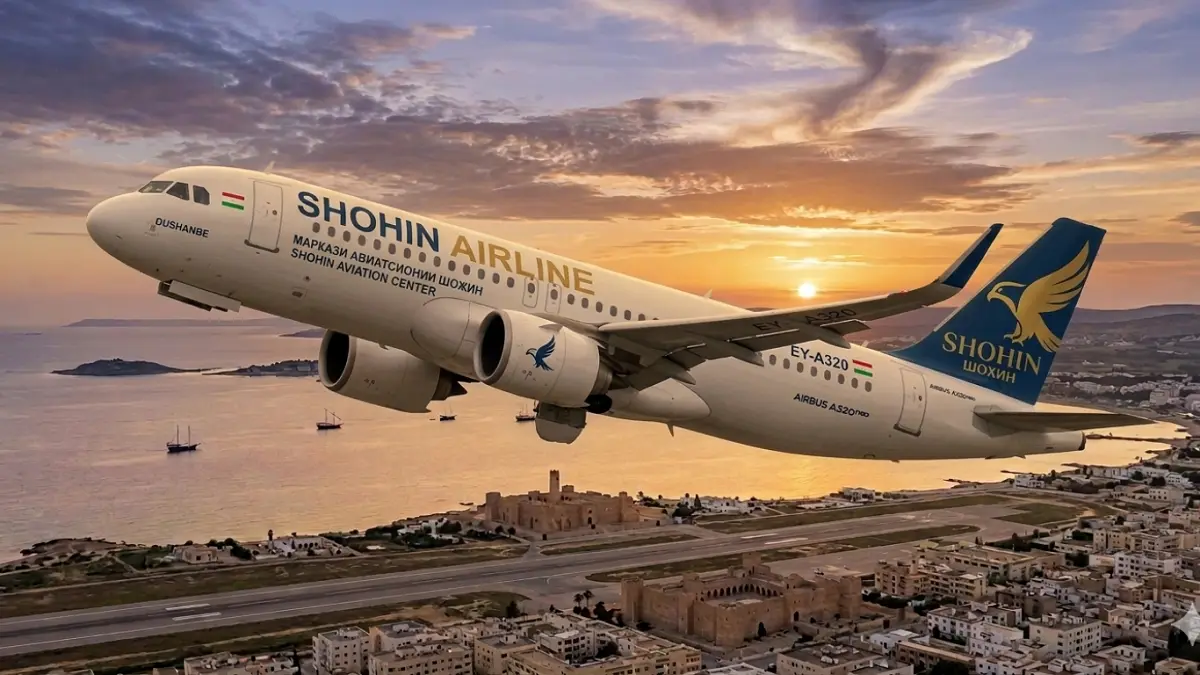
Shohin airlines is planning to acquire four Airbus A320neo family aircraft, including two A320neo and two A321neo jets, as part of its transition into scheduled passenger operations. Backed by an investment of approximately $200 million, the move marks a significant shift in the airline’s operational strategy and fleet development.
The planned acquisition represents a foundational step for the Tajikistan-based carrier, which has so far focused on limited and specialized services. By introducing new-generation narrowbody aircraft, the airline aims to establish a scalable platform for regular commercial flights and regional expansion.
Fleet Acquisition Strategy
The airline’s fleet plan includes a total of four aircraft from the Airbus A320neo family, comprising two A320neo and two A321neo units. This combination provides flexibility in capacity deployment, allowing the airline to operate both medium-density and higher-capacity routes depending on demand.
The A320neo family is widely used across the global aviation industry due to its improved fuel efficiency and operational performance. For Shohin Airlines, the aircraft selection aligns with the need to optimize cost structures while building a competitive network within Central Asia.
The inclusion of the larger A321neo variant suggests an intent to serve routes with higher passenger demand or longer stage lengths, complementing the operational range of the A320neo.
Investment and Expansion Plans
The acquisition is supported by a reported investment of around $200 million, reflecting a substantial financial commitment toward the airline’s expansion. The funding is expected to cover fleet procurement and associated operational requirements as the airline prepares to enter the scheduled passenger market.
This level of investment indicates a long-term growth strategy, positioning the carrier to establish a sustainable presence in the region. The transition from specialized services to regular passenger operations requires significant capital allocation across aircraft, infrastructure, and operational readiness.
The funding also underscores confidence in market demand within Central Asia, where aviation connectivity continues to evolve.
Operational Transition to Scheduled Services
Shohin Airlines’ move into scheduled passenger operations marks a strategic transformation in its business model. The airline is shifting from niche or limited operations toward a more structured network offering, which includes regular flight schedules and broader route coverage.
The introduction of modern aircraft is expected to support this transition by enhancing operational reliability and enabling consistent service delivery. Scheduled operations require higher levels of coordination in areas such as maintenance, crew management, and regulatory compliance.
By deploying the A320neo family, the airline is aligning its fleet with industry standards for efficiency and passenger service in the narrowbody segment.
Regional Market Positioning
The expansion positions <:contentReference[oaicite:1]{index=1}> within an increasingly competitive Central Asian aviation market. Airlines in the region are focusing on fleet modernization and network expansion to capture growing travel demand and improve connectivity.
The addition of fuel-efficient aircraft is expected to enhance the airline’s cost performance, allowing it to compete more effectively on pricing and operational efficiency. Improved fuel burn and lower maintenance requirements associated with the A320neo family can contribute to reduced operating costs.
Regional connectivity remains a key focus area, with airlines seeking to link underserved markets and strengthen intra-regional travel options. Shohin Airlines’ fleet plan supports this objective by enabling flexible deployment across short- and medium-haul routes.
Industry Context and Aircraft Selection
The Airbus A320neo family has become a standard choice for airlines expanding or modernizing their fleets, particularly in emerging markets. Its combination of range, efficiency, and capacity makes it suitable for a wide range of route profiles.
For a carrier entering scheduled operations, aircraft selection plays a critical role in determining network viability and cost structure. The A320neo and A321neo variants provide a balance between operational flexibility and scalability, supporting both initial route launches and future expansion.
The decision to adopt this aircraft family reflects broader industry trends in which airlines prioritize fuel efficiency and sustainability alongside economic performance.
Current Status
Shohin airlines is in the planning phase of acquiring four A320neo family aircraft as it prepares to launch scheduled passenger services. The investment-backed fleet expansion marks a significant milestone in the airline’s development, with further operational details expected as the transition progresses.
The move signals the airline’s entry into a more competitive and structured segment of the aviation market, supported by modern aircraft and a defined growth strategy.