South Korea’s Sum Air Launches Commercial Operations, Entering Competitive Regional Aviation Market
South Korea’s new airline Sum Air has commenced commercial operations, marking its entry into the competitive regional aviation market with plans for growth.
 Jishan Khan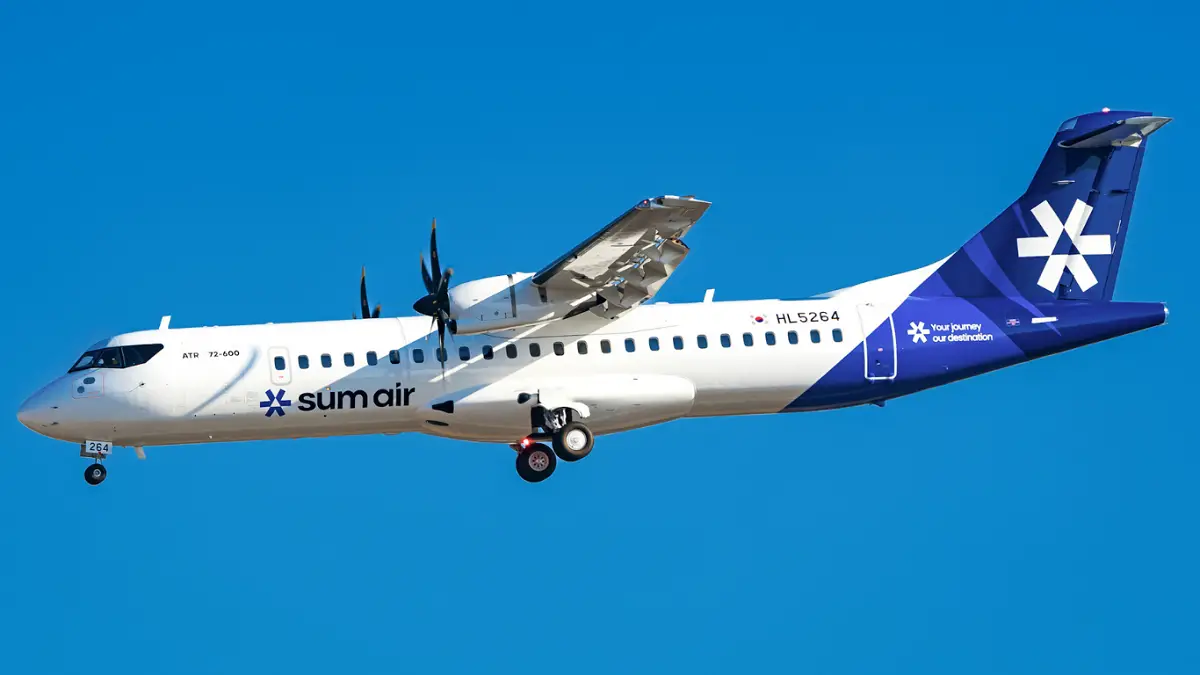
South Korea’s newly established carrier Sum Air has officially begun commercial flight operations in 2026, marking its entry into the country’s highly competitive aviation market as it seeks to expand regional connectivity and capitalize on rising travel demand.
The airline commenced services following regulatory approvals and operational preparations, positioning itself as a new player in South Korea’s growing air transport sector. Sum Air aims to serve regional routes while gradually building its network and operational capacity in the coming years.
New Entrant in a Competitive Market
The launch of Sum Air comes at a time when South Korea’s aviation industry is experiencing increased competition, particularly among low-cost and regional carriers. Established airlines already dominate key domestic and international routes, making market entry both challenging and strategically significant.
Sum Air’s entry reflects continued investor interest in the aviation sector despite competitive pressures and fluctuating economic conditions. The airline is expected to focus on niche markets and underserved routes as part of its strategy to establish a foothold.
New entrants often face challenges such as brand recognition, pricing competition, and operational efficiency, all of which will play a role in determining Sum Air’s long-term success.
Focus on Regional Connectivity
Sum Air is expected to prioritize regional connectivity, linking smaller cities and secondary destinations that may not be adequately served by larger carriers. This approach allows new airlines to differentiate themselves while addressing gaps in the market.
By targeting short-haul routes, the airline can operate with lower costs and build demand gradually. Regional connectivity is increasingly important as governments and industry stakeholders seek to improve accessibility and stimulate local economies.
The airline’s route strategy will likely evolve over time as it assesses market demand and operational performance.
Fleet and Operations Strategy
Details regarding Sum Air’s fleet indicate a focus on efficiency and suitability for regional operations. Airlines entering this segment typically deploy smaller, fuel-efficient aircraft that can operate on shorter runways and lower-demand routes.
Operational efficiency will be a key factor in maintaining profitability, particularly in a market where cost control is essential. Sum Air will need to balance capacity with demand while ensuring reliable service.
The airline is expected to adopt a phased growth approach, gradually increasing its fleet size and expanding its network as it gains operational experience.
Regulatory and Industry Environment
South Korea’s aviation sector is regulated by strict safety and operational standards, requiring new airlines to meet comprehensive certification requirements before launching services. Sum Air’s entry indicates that it has successfully met these criteria.
The regulatory environment plays a crucial role in maintaining industry stability while ensuring passenger safety. Compliance with these standards will remain a priority as the airline continues to operate and expand.
Government policies and infrastructure development also influence the growth of new airlines, particularly in terms of airport access and route approvals.
Economic and Market Factors
The launch of Sum Air comes amid a broader recovery in global air travel demand, driven by increasing passenger confidence and economic activity. Regional travel, in particular, has shown resilience, making it an attractive segment for new entrants.
However, airlines continue to face challenges such as fluctuating fuel prices, currency volatility, and changing consumer behavior. These factors can impact operational costs and profitability, especially for new carriers with limited financial buffers.
Sum Air’s ability to navigate these conditions will be critical to its sustainability and growth.
Opportunities for Growth
Despite challenges, the South Korean aviation market offers opportunities for growth, particularly in regional and short-haul segments. Increasing demand for travel, combined with economic development, supports the expansion of airline services.
Sum Air may explore partnerships, codeshare agreements, or alliances to enhance its network and improve connectivity. Such collaborations can help new airlines access broader markets and strengthen their competitive position.
Investments in customer experience and digital services could also play a role in attracting passengers and building brand loyalty.
Customer Experience and Service Positioning
As a new airline, Sum Air has the opportunity to define its service model and brand identity from the outset. Customer experience will be a key differentiator, particularly in a market where passengers have multiple options.
The airline may focus on providing efficient, reliable, and cost-effective services while maintaining a level of comfort that meets passenger expectations. Balancing affordability with quality will be essential for attracting and retaining customers.
Innovations in booking systems, onboard services, and customer engagement could further enhance its appeal.
Competitive Landscape
South Korea’s aviation sector includes a mix of full-service and low-cost carriers, creating a dynamic and competitive environment. Established airlines benefit from strong brand recognition, extensive networks, and operational experience.
Sum Air will need to identify its niche and differentiate itself to compete effectively. This may involve targeting specific routes, offering competitive pricing, or focusing on customer service.
The airline’s performance in its initial phase will provide insights into its ability to sustain operations and expand in the long term.
Future Outlook
Looking ahead, Sum Air is expected to focus on stabilizing its operations and gradually expanding its network. The airline’s growth trajectory will depend on market conditions, financial performance, and strategic decisions.
As the aviation industry continues to evolve, adaptability and innovation will be key factors in determining success. Sum Air’s entry adds to the diversity of the South Korean aviation market and reflects ongoing developments in the sector.
Further announcements regarding route expansion, fleet additions, and partnerships may shape the airline’s future direction.
Conclusion
Sum Air has officially launched commercial operations in South Korea, entering a competitive market with a focus on regional connectivity and gradual expansion as it begins its journey in the aviation industry.