District By Zomato Launches Inclusive Dining Toolkit
District by Zomato launches India’s first inclusive dining toolkit to help restaurants improve accessibility and guest experience. Read more.
 nishathapa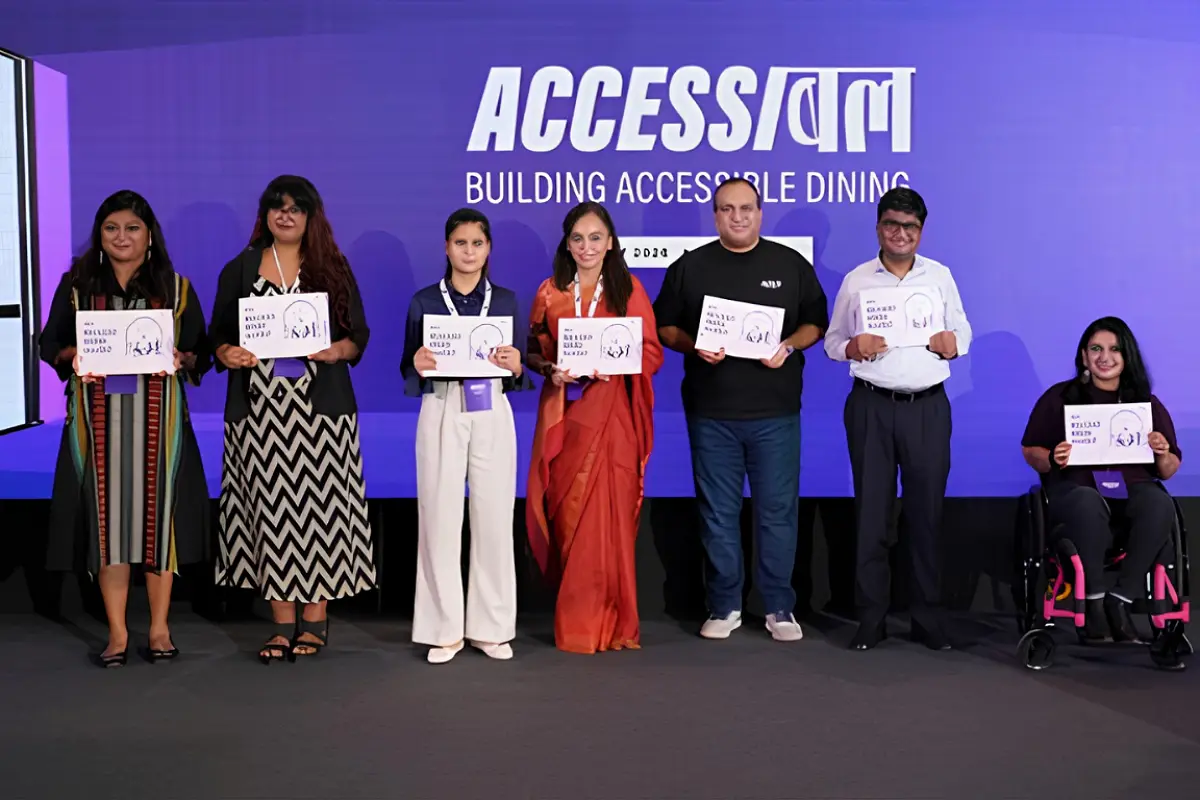
NEW DELHI, May 29, 2026: District by Zomato has launched what it describes as India's first Inclusive Dining Toolkit for restaurants, designed to help hospitality establishments identify accessibility gaps and create more welcoming dining environments for persons with disabilities, senior citizens, pregnant women and others with mobility or accessibility needs. The toolkit was developed in collaboration with the Department of Empowerment of Persons with Disabilities, Samarthyam and The Association of People with Disability, and was unveiled at a launch event attended by Manmeet Kaur Nanda as Chief Guest.
India's restaurant sector has, on the whole, treated accessibility as an afterthought, a ramp here, a large-print menu there, the occasional mention of lift access on a booking form. A structured toolkit that gives restaurant operators a framework for actually auditing their accessibility and improving it, developed with organisations that work directly with persons with disabilities, is a different and more substantive intervention than generic awareness campaigns. Whether restaurants use it is the harder question. That it exists at all is the news.
District by Zomato Launches India's First Inclusive Dining Toolkit for Persons With Disabilities
The toolkit provides practical guidance across two dimensions. For restaurants, it offers a structured approach to identifying where their current setup fails guests with disabilities or reduced mobility, stairs without alternatives, entrances that cannot accommodate wheelchairs, seating that does not work for guests with specific physical requirements, menus that are inaccessible to visually impaired diners. For guests with accessibility needs, it gives them better information to make informed dining choices before they arrive at a restaurant.
The collaboration with Samarthyam, a disability rights and accessibility consulting organisation, and The Association of People with Disability grounds the toolkit in lived experience rather than well-meaning guesswork. What persons with disabilities actually encounter when trying to access restaurants in India is substantially different from what able-bodied operators imagine they encounter, and getting the diagnosis right is what makes the corrective guidance useful rather than generic.
Accessibility Features Now Integrated Into the District Platform
Alongside the toolkit, District by Zomato has introduced a set of accessibility-focused features directly into the platform. Screen-reader support has been added to the app interface, making the booking experience itself more navigable for visually impaired users. Accessibility filters allow users to search for restaurants that meet specific requirements. AI-led recommendations surface accessible dining options based on a user's stated needs. Wheelchair and elevator information is now available within restaurant listings. Special assistance requests can be made at the time of table booking.
The platform features are the part of this announcement that affects the largest number of users immediately. The toolkit changes what restaurants do over time. The platform changes what a person with a disability or a senior citizen can access tonight, when they want to book dinner somewhere they can actually get into and move around comfortably. That distinction, between a structural change that takes months to materialise and a platform change that is live now, is the practical significance of doing both simultaneously.
Rahul Ganjoo on What the Toolkit Is Designed to Change
Rahul Ganjoo, commenting on the initiative, said the toolkit aims to help restaurants create more thoughtful and inclusive dining experiences where every guest can participate comfortably and independently. The language around independence is deliberate and important; accessible dining is not just about getting a wheelchair through the door. It is about being able to navigate a menu, request assistance without embarrassment, reach a table without assistance that was not offered, and leave with the same sense of dignity and ease that any other guest assumes as standard.
That standard is what India's restaurant sector has not consistently delivered for guests with disabilities or reduced mobility, and it is what this initiative is trying to address, not by mandating compliance through regulation but by providing the tools, information and platform features that make the right thing easier to do.
Building on a Track Record of Disability Inclusion
The Inclusive Dining Toolkit is part of a broader disability inclusion strategy at District by Zomato and its parent company. Zomato received the National Award for Empowerment of Persons with Disabilities in 2024, recognising the company's work in engaging thousands of PwDs in food delivery operations. The Inclusive Dining Toolkit extends that track record from the delivery side of the business into the restaurant dining experience, a significantly more complex environment to make accessible, because it involves physical infrastructure, service training and real-time interaction rather than a delivery process that can be designed around a person's abilities from the start.
Manmeet Kaur Nanda, speaking as Chief Guest at the launch event, highlighted the importance of inclusion becoming a standard across public spaces and hospitality environments rather than an exceptional gesture by individual establishments. That framing, inclusion as standard, not exception, is the ambition the toolkit is working toward, even if the distance between where India's restaurant sector currently is and where that standard requires it to be is still considerable.