International Hotel Chains Exit Cuba as U.S. Sanctions Tighten Pressure on Tourism Sector
Major hotel operators including Meliá, Iberostar, Blue Diamond and Archipelago are exiting Cuba as new U.S. sanctions intensify pressure on tourism.
 Pratyaksha Singh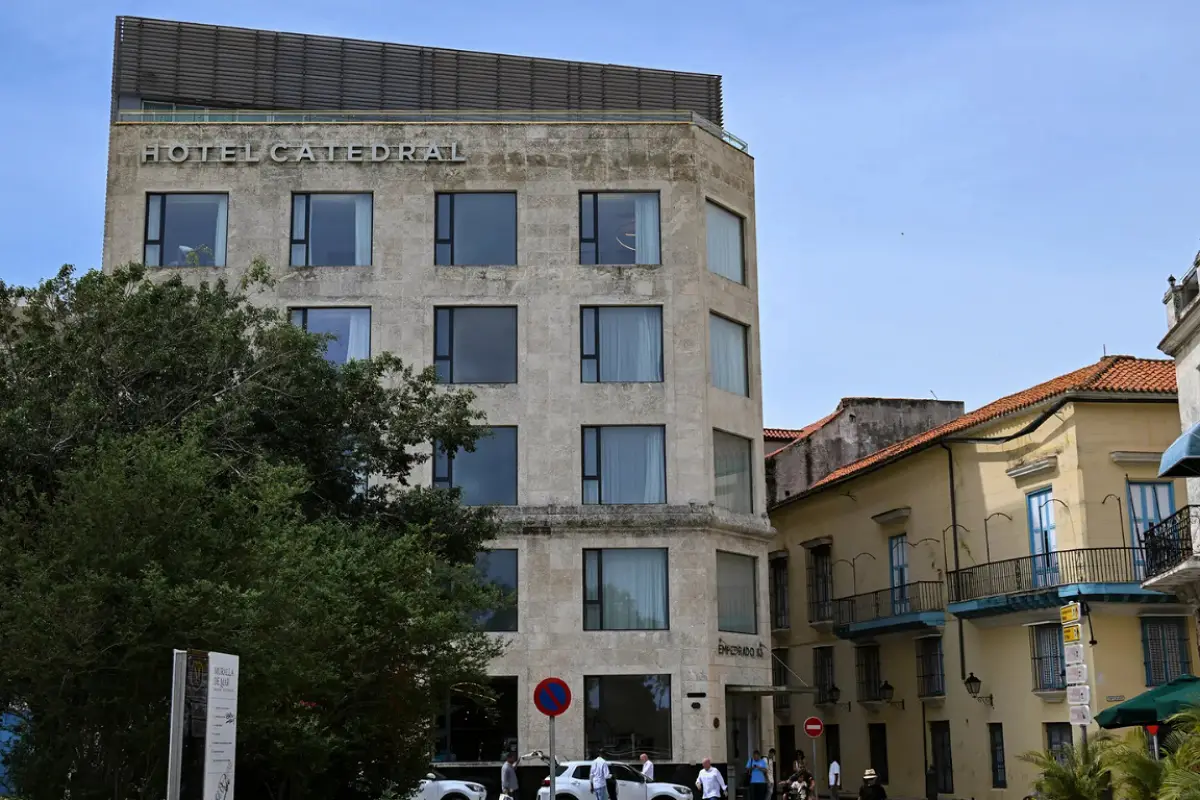
International Hotel Chains Exit Cuba as U.S. Sanctions Tighten Pressure on Tourism Sector
Cuba’s hospitality industry is facing one of its most challenging periods in recent years as several international hotel operators have announced their withdrawal from the island following the introduction of stricter U.S. sanctions targeting military-linked businesses.
The latest developments highlight growing pressure on Cuba’s tourism sector, a key pillar of the national economy that has already been grappling with declining visitor numbers, energy shortages, and broader economic challenges.
Major Hotel Operators End Cuban Partnerships
Several international hospitality companies have confirmed plans to scale back or terminate hotel management operations in Cuba. Among the most notable departures are Spanish hotel giants Meliá Hotels International and Iberostar, both of which have maintained a significant presence on the island for decades.
Canadian-based Blue Diamond Resorts and Indonesian operator Archipelago International have also reportedly reduced or ended operations connected to Cuban tourism entities affected by the new sanctions.
The moves come as foreign companies face a deadline to sever business relationships with organizations linked to Grupo de Administración Empresarial S.A. (GAESA), the military-controlled conglomerate that oversees a substantial portion of Cuba’s economy.
U.S. Expands Economic Pressure
The latest sanctions form part of a broader U.S. strategy aimed at restricting financial flows to Cuban government-controlled entities.
Under the new measures, foreign businesses maintaining commercial relationships with sanctioned organizations could face penalties, including restrictions on access to U.S. financial systems, asset freezes, and travel limitations for company executives.
The policy represents a significant escalation because it extends beyond American companies and directly affects international firms operating in Cuba.
Tourism Industry Faces Growing Challenges
The hospitality sector has been among the industries most affected by Cuba’s economic difficulties.
Tourism arrivals have fallen sharply in recent years, with reduced international demand, airline disruptions, fuel shortages, and ongoing infrastructure challenges contributing to weaker performance.
Several hotels affected by the recent operator withdrawals had reportedly already suspended operations or experienced significantly reduced occupancy levels due to declining visitor demand.
Industry observers note that many international operators were already facing operational difficulties before the introduction of the latest sanctions.
Economic Impact on Cuba
Tourism remains one of Cuba’s most important sources of foreign currency and employment. The departure of international hotel brands is expected to create additional pressure on the sector, potentially affecting jobs, investment flows, and future tourism development projects.
The reduction in foreign management expertise and international distribution networks may also impact Cuba’s ability to attract overseas visitors in an increasingly competitive Caribbean tourism market.
Analysts suggest that the withdrawal of multiple hotel operators within a short period represents one of the most significant disruptions to Cuba’s hospitality industry in recent years.
Government Response
Cuban authorities have criticized the sanctions, arguing that the measures are intended to further isolate the country economically and worsen existing challenges faced by the population.
Officials maintain that state-linked organizations play an important role in supporting national development projects, infrastructure investment, and public services.
At the same time, the government continues to explore strategies to stabilize tourism activity and attract international visitors despite the difficult operating environment.
Future Outlook for Cuban Hospitality
While several operators are leaving the market, some international hospitality companies continue to maintain a presence in Cuba through properties not directly affected by the sanctions.
However, uncertainty remains high as businesses evaluate regulatory risks, market demand, and operational conditions on the island.
For Cuba’s tourism industry, the coming months will be critical. The combination of stricter international restrictions, declining visitor arrivals, and broader economic challenges may significantly influence the sector’s recovery prospects and future investment landscape.
As the hospitality industry adapts to these developments, Cuba faces the challenge of preserving tourism competitiveness while navigating an increasingly complex geopolitical and economic environment.