Food Republic Wins Retail Asia Award for Hawker Heritage Work in 2026
Food Republic Singapore wins at the Retail Asia Awards 2026 for hawker heritage preservation, including its heritage-forward Mandai Wildlife Reserve outlet. Read more.
 Prajakta Sanjay Warwadkar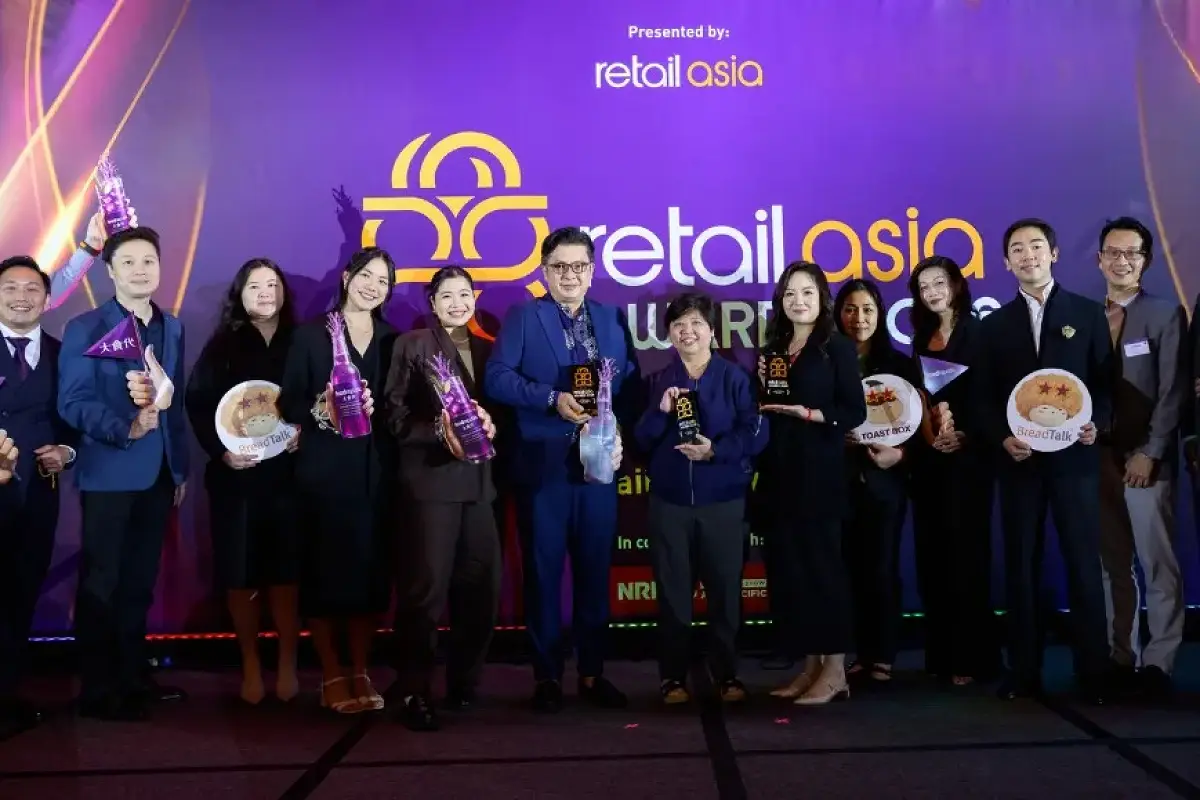
SINGAPORE, June 5, 2026 — Food Republic, one of Singapore's most established food atrium operators, has been recognized at the Retail Asia Awards 2026 for its sustained efforts to preserve and promote the country's hawker heritage. The award acknowledges Food Republic's programmatic approach to curating heritage stallholders, multi-generational recipes and culturally significant hawker brands across its growing network of outlets — most recently at its landmark Mandai Wildlife Reserve location, which opened on March 20, 2026.
The Retail Asia Awards recognition places Food Republic among a select group of Asia-Pacific retailers honored for demonstrating meaningful impact beyond commercial performance, with the food atrium operator's hawker heritage programming cited as a model for how institutional food court operators can contribute to the preservation of national culinary culture.
Food Republic Hawker Heritage Strategy Earns Industry Recognition
Food Republic's approach to hawker heritage preservation centers on the deliberate curation of stalls with documented histories, legacy recipes and community significance. Rather than selecting tenants purely on commercial criteria, the brand has built a track record of onboarding hawker names that carry generational weight within Singapore's food culture a strategy that has drawn increasing attention from both industry bodies and government-aligned heritage programs.
The Mandai Wildlife Reserve outlet, which houses more than 20 stalls, was positioned by Food Republic as part of its ongoing efforts to preserve local hawker culture, featuring heritage hawker favourites, legacy recipes and well-loved local brands that appeal to both tourists and locals.
The 15,800 sq ft, 600-seater venue with 400 indoor seats and 200 outdoors draws its interior design concept from Singapore's 1970s street hawker scenes, incorporating life-sized shophouse facades, period signage and interactive photo spots that evoke old Mandai kampong life. The design approach reflects Food Republic's effort to make heritage preservation a tangible, immersive experience rather than a commercial afterthought.
Mandai Outlet Brings First-Time Food Atrium Appearances for Legacy Brands
Four hawker brands made their Food Republic debut at the Mandai location, each selected specifically for their place in Singapore's culinary history. Boon Tat BBQ Seafood, which began in 1985 as a pushcart along Boon Tat Street, is known for grilled seafood and sambal dishes. Tanjong Rhu Pau has been producing its handmade pau for over 30 years using a signature yeast-free dough, made fresh daily in small batches. Old Amoy Chendol, Singapore's first specialist chendol stall since the 1950s, maintains strict artisan principles using freshly cold-pressed coconut milk, charcoal-brewed gula melaka and natural pandan chendol with zero preservatives.
Local favourite Mr Coconut also opened its first-ever Food Atrium outlet at the Mandai location, bringing its coconut shakes and juices to a new audience inside Singapore's premier nature and wildlife destination. The confluence of these four debuts in a single outlet underscores the deliberate curation strategy that underpins Food Republic's award-winning heritage programming.
Singapore Hawker Culture Carries UNESCO Recognition Into Commercial Spaces
The Retail Asia Awards recognition arrives as Singapore marks the fifth anniversary of inscribing its hawker culture on the UNESCO Representative List of Intangible Cultural Heritage of Humanity. Singapore became the first country to earn UNESCO recognition specifically for its hawker culture in 2020, with the formal acknowledgment that these spaces operate as community and social infrastructure rather than simply public dining halls.
That UNESCO designation has placed additional responsibility and visibility on operators like Food Republic to demonstrate how commercial food court management can reinforce rather than dilute cultural continuity. The Mandai outlet's 1970s design language, its concentration of multi-generational hawker brands and its explicit positioning as a heritage destination signal that Food Republic views this responsibility as central to its brand identity.
The median age of a Singapore hawker today is 59, and persistent challenges including high operating costs and declining generational succession continue to put pressure on the hawker trade. Food Republic's model of providing premium, high-footfall locations to established hawker names offers one operational response to those structural pressures, giving heritage operators access to venues such as a major international wildlife reserve that they could not independently sustain.
Retail Asia Awards Recognize Asia-Pacific Food and Retail Excellence
The Retail Asia Awards program, organized by Retail Asia magazine, annually recognizes outstanding retail projects, initiatives and achievements from leading companies across the Asia-Pacific region. The program evaluates entries across multiple categories covering innovation, sustainability, customer experience and sector-specific contributions to retail excellence.
Food Republic's recognition in the hawker heritage category reflects a broader trend at the awards, where cultural and community impact have gained increasing weight alongside traditional commercial metrics. The brand's recognition also aligns with Singapore's national policy direction on food heritage, which has included government rental support for heritage stallholders and programming designed to raise the profile of hawker culture on the international stage.
Further information on Food Republic's outlet locations and hawker line-ups is available on the Food Republic website. For broader context on the significance of hawker culture within Singapore's culinary identity.
More information about Indian cuisine and its regional diversity can be explored through Indian cuisine history and traditions.
Businesses monitoring hospitality expansion trends can also explore restaurant industry growth trends for 2026 to understand how regional food concepts are shaping dining markets.