Pakistan Faces Backlash After Unpaid Dues at Serena Hotel During US–Iran Talks in Islamabad
Pakistan’s failure to clear dues at Serena Hotel Islamabad during US–Iran talks has raised concerns over financial credibility and impacted its diplomatic image amid economic strain.
 Pratyaksha Singh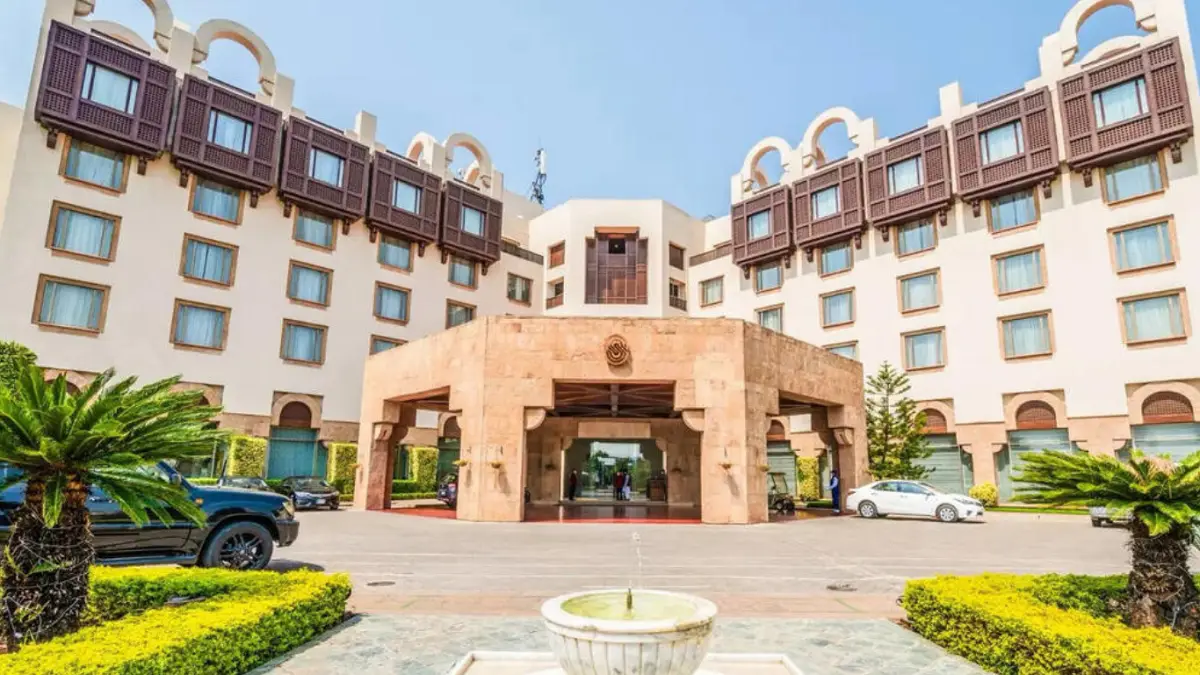
Islamabad, April 14, 2026: Pakistan’s attempt to position itself as a diplomatic mediator during the US–Iran talks held from April 10 to 12 in Islamabad has come under scrutiny after reports emerged that dues for the event venue, Serena Hotel, were left unpaid. The issue has drawn attention to operational lapses during a high-profile international engagement.
The talks, intended to highlight Pakistan’s role in facilitating dialogue between Washington and Tehran, instead triggered controversy within diplomatic and hospitality circles. Reports indicate that the outstanding payments for hosting the event had to be settled through external intervention linked to the hotel’s ownership, raising concerns about administrative preparedness.
Unpaid Dues Raise Operational Concerns
The situation reportedly escalated when payments for the Serena Hotel Islamabad, the venue hosting the talks, were not cleared on time. Sources suggest that intervention from stakeholders associated with the Aga Khan Development Network, which owns the property, was required to resolve the matter.
This development has brought into focus the operational challenges associated with hosting large-scale diplomatic events, particularly when financial coordination fails at a basic level. The incident has also sparked discussions on the expectations placed on host nations when managing international summits.
Diplomatic Optics Undermined by Execution Gaps
Pakistan had projected the Islamabad talks as an opportunity to strengthen its diplomatic standing and showcase its ability to act as a neutral facilitator in global geopolitics. Hosting the meetings at a premium hospitality venue was intended to reinforce this narrative.
However, the reported inability to settle routine event-related payments has affected the overall perception of the initiative. Observers note that such lapses can overshadow the strategic intent of diplomatic engagements, particularly when they involve high-profile international stakeholders.
Economic Pressures Reflect on Hospitality Engagements
The controversy comes amid ongoing economic challenges in Pakistan, including inflation levels estimated between 7 and 9 per cent and continued oversight by the International Monetary Fund (IMF). These macroeconomic conditions have intensified scrutiny on government spending and financial management.
In this context, the unpaid dues episode has been interpreted as a reflection of broader fiscal constraints. The incident highlights how economic pressures can directly impact hospitality operations tied to government-led events, affecting vendor relationships and service delivery.
Impact on Hospitality and Event Management Standards
For the hospitality sector, the episode underscores the importance of clear financial planning and execution when hosting international events. Hotels serving as venues for diplomatic engagements operate under heightened expectations, requiring seamless coordination between organizers and service providers.
The situation at Serena Hotel Islamabad also illustrates the reputational risks faced by hospitality operators when disputes over payments arise, even if they are not directly responsible for the lapse. Maintaining service continuity while addressing such challenges remains critical for premium properties hosting global events.
Broader Implications for International Perception
The incident has triggered wider debate on the alignment between diplomatic ambitions and operational capabilities. While Pakistan aimed to position itself as a credible intermediary in sensitive geopolitical discussions, the controversy has shifted focus toward execution shortcomings.
Industry observers highlight that large-scale diplomatic events are not only political exercises but also logistical operations requiring precision across multiple domains, including hospitality, finance, and administration. Any disruption in these areas can influence international perception.
The Islamabad talks episode serves as a case study in how hospitality infrastructure and financial management intersect with global diplomacy. As countries increasingly rely on high-end hotels and resorts to host strategic engagements, the role of efficient coordination becomes even more significant in shaping outcomes beyond the negotiation table.