THSC Expands Women Skilling Initiative, Targets 600 Trainees in FY27
THSC advances its women-focused hospitality skilling programme, aiming to train 600 trainees in FY 2026–27 to boost workforce inclusion.
 nishathapa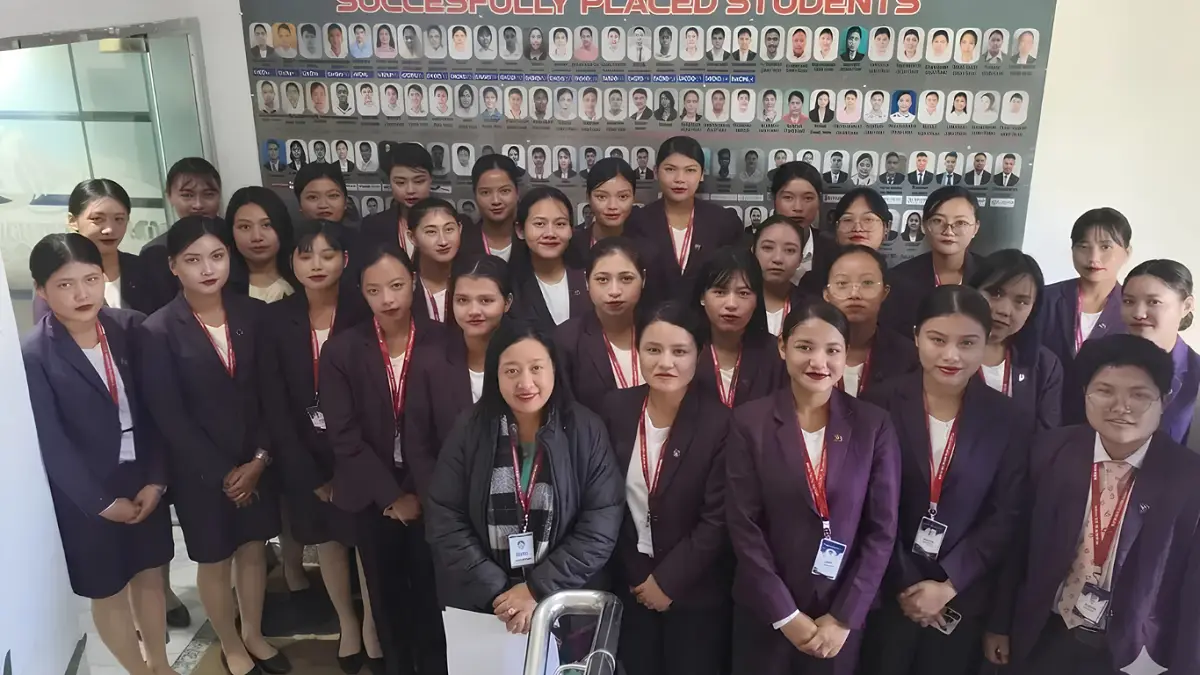
New Delhi, April 2026: The Tourism & Hospitality Skill Council (THSC) is stepping up its women-focused skilling push, targeting 600 trainees in the financial year 2026–27. The move is part of a wider attempt to fix workforce gaps that hotels and restaurants have been flagging for months.
The programme is built to close the skill gap and create clearer job routes for women across hotels, restaurants, and tourism services.
Focus on expanding women participation in hospitality
This isn’t a pilot anymore. THSC is scaling.
The new phase leans harder on outcomes, more trained candidates, better job readiness, and faster movement into roles.
And it directly targets the friction points, limited access to training, weak placement links, and low industry exposure, that have kept women out of the workforce.
Skill development aligned with industry needs
The training is practical. No fluff.
Modules cover core hotel operations:
Front office. Housekeeping. Food and beverage. Customer handling.
And just as important, soft skills.
Communication, workplace behaviour, and service basics. The stuff hotels actually hire for.
Placement-driven approach
This is where the pressure sits, jobs, not just training.
THSC is tying up with hospitality employers across India to push direct placements after training.
Training centres aren’t working in isolation anymore. They’re linked to hiring pipelines.
Addressing workforce gaps in hospitality
The demand is already there.
Hotels are short on entry-level staff, especially in operational roles. And women remain underrepresented compared to what the industry needs.
This programme is trying to fix both sides, supply and inclusion.
Scaling from impact to outcomes
THSC is moving past small-scale impact stories.
The focus now is numbers, reach, and actual job conversions.
More trainees. Better training. And higher placement rates.
If it holds, this could ease hiring pressure while pushing more women into the hospitality workforce long-term.