Hong Kong Swiss Restaurants Preserve a Rare Dining Legacy
Hong Kong Swiss restaurants continue preserving European dining traditions as two long-running eateries endure changing food trends. Read more.
 Prajakta Sanjay Warwadkar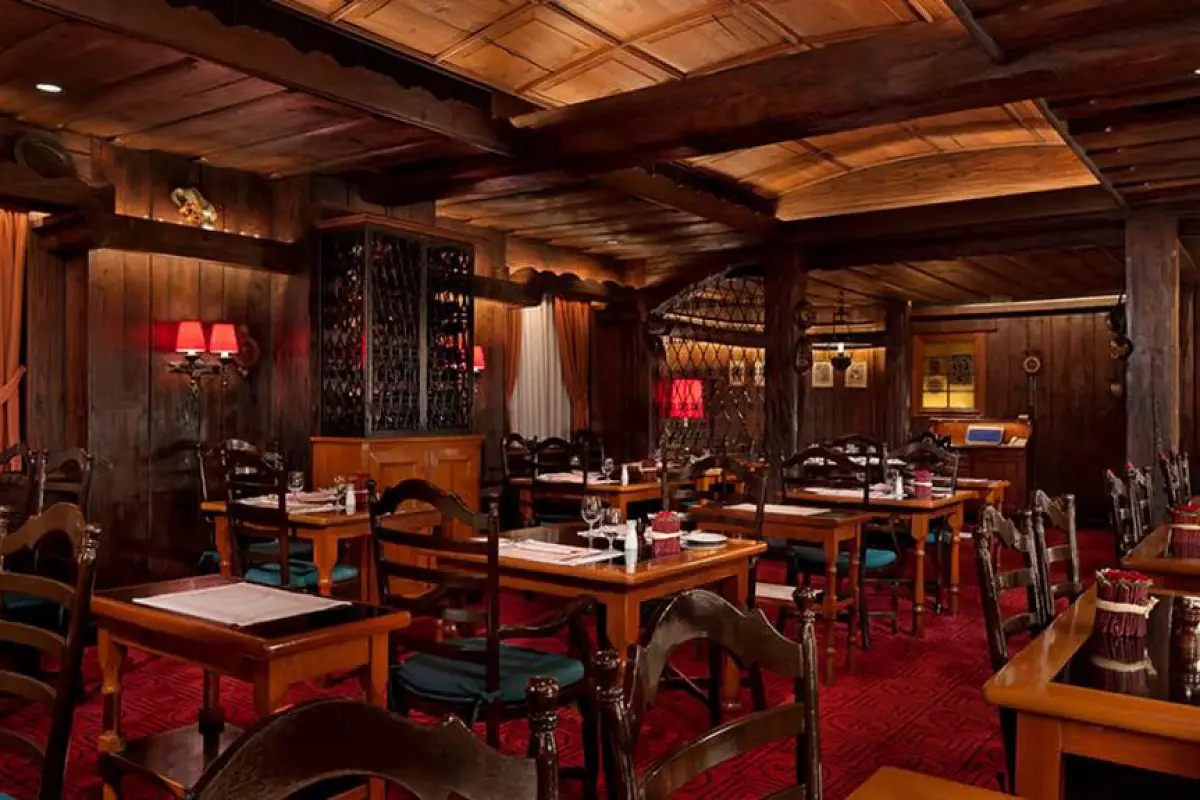
HONG KONG, May 25, 2026 — Hong Kong’s Swiss restaurants continue preserving a little-known part of the city’s dining history as two long-running establishments maintain their presence despite shifting consumer habits and rising competition in the hospitality sector. The restaurants, which became popular decades ago, represent a period when European-style comfort dining played a major role in Hong Kong’s evolving food culture.
While international restaurant trends in Hong Kong now focus heavily on Japanese omakase, modern Chinese cuisine and luxury tasting menus, a small number of Swiss restaurants continue attracting loyal diners looking for traditional European dishes and nostalgic dining experiences.
Hong Kong Swiss restaurants developed a unique identity during the city’s rapid economic growth in the twentieth century. Their menus combined Western comfort food, Alpine-inspired dishes and local adaptations designed for Hong Kong diners.
Hospitality analysts say the survival of these restaurants highlights growing customer interest in heritage dining experiences and culturally rooted restaurant concepts.
Hong Kong Swiss restaurants preserve culinary heritage
Swiss restaurants first gained visibility in Hong Kong during a period when European dining culture carried strong prestige among local middle-class families and business communities.
Hong Kong Swiss restaurants became known for serving hearty meals including cheese fondue, roasted meats, sausages, baked dishes and Western-style desserts. These restaurants also introduced a style of dining that balanced formal European influences with family-friendly hospitality.
Industry observers note that many of these restaurants adapted their menus over time to suit local preferences while maintaining recognizable Swiss culinary elements.
This blend of European tradition and Hong Kong dining culture helped create a distinct restaurant category that differed from standard Western cafés and luxury hotel restaurants.
European comfort food shaped local dining culture
European comfort food played an important role in Hong Kong’s restaurant scene during the city’s postwar development years.
Hong Kong Swiss restaurants offered dishes that felt international yet approachable for local diners exploring Western cuisine for the first time.
Several restaurants became popular gathering spaces for celebrations, family dinners and business meetings. Their interiors often reflected Alpine-inspired themes featuring wooden décor, warm lighting and traditional European hospitality styles.
Hospitality historians say these restaurants helped normalize Western dining customs within Hong Kong’s urban restaurant culture.
Over time, Swiss dining concepts became associated with nostalgia and old-school hospitality experiences.
Hong Kong Swiss restaurants adapt to changing food trends
The restaurant industry in Hong Kong has changed dramatically over the past two decades as international food trends, delivery platforms and modern casual dining concepts reshape consumer behavior.
Hong Kong Swiss restaurants now compete within a market dominated by fast-moving culinary trends and younger diners seeking experimental food experiences.
Despite these changes, several long-running establishments continue maintaining loyal customer bases by focusing on consistency, heritage recipes and personalized hospitality.
Industry consultants say heritage restaurants often survive because they provide emotional familiarity that newer dining concepts cannot easily replicate.
Customers increasingly value restaurants connected to memory, tradition and cultural identity.
Heritage dining gains renewed interest
Heritage dining has become more important across global hospitality markets as consumers seek experiences tied to history and authenticity.
Hong Kong Swiss restaurants benefit from this shift because they represent a style of dining closely connected to the city’s social and culinary development.
Younger diners have also shown growing curiosity toward restaurants that preserve older hospitality traditions and vintage dining atmospheres.
Social media has amplified this interest by encouraging customers to document nostalgic restaurants and historic food experiences online.
Hospitality operators say heritage branding can help older restaurants remain relevant even within highly competitive urban markets.
Hong Kong Swiss restaurants reflect cultural fusion
One reason Swiss restaurants endured in Hong Kong is their ability to adapt European cuisine to local dining preferences without losing their original identity.
Hong Kong Swiss restaurants often modified seasoning levels, portion sizes and menu structures to appeal to local families while still maintaining Swiss-inspired culinary foundations.
This fusion approach helped European-style dining become more accessible to a wider customer base during earlier decades of Hong Kong’s restaurant growth.
Hospitality researchers say hybrid dining models frequently succeed in multicultural cities because they balance international appeal with local familiarity.
The restaurants also contributed to broader cultural exchange through food and hospitality.
Traditional hospitality remains central
Traditional hospitality continues playing a major role in the survival of long-running restaurants.
Hong Kong Swiss restaurants are often recognized for consistent service, familiar staff interactions and stable menu offerings that create long-term customer relationships.
Industry experts say personal connection remains one of the strongest competitive advantages for heritage hospitality businesses.
While newer restaurant concepts frequently focus on novelty, older establishments often succeed through reliability and emotional connection.
This difference helps explain why several heritage dining brands continue operating despite intense competition.
Hong Kong hospitality sector balances old and new concepts
Hong Kong’s restaurant industry remains one of Asia’s most competitive hospitality markets, with global cuisines, luxury dining brands and independent chefs constantly entering the city.
Hong Kong Swiss restaurants now operate alongside highly modern restaurant concepts focused on innovation, digital marketing and experience-driven dining.
Industry observers say this contrast between heritage dining and modern hospitality reflects the broader diversity of Hong Kong’s food culture.
Customers today can move between traditional tea houses, European comfort restaurants, contemporary tasting menus and global street food concepts within the same dining districts.
This diversity continues strengthening Hong Kong’s reputation as an international culinary destination.
Classic restaurants compete through identity
Identity has become increasingly important within the hospitality industry as restaurants compete for customer attention in crowded urban markets.
Hong Kong Swiss restaurants maintain relevance partly because they offer a dining identity that newer establishments often cannot replicate.
Long-standing restaurants benefit from historical recognition, generational loyalty and established reputations built over decades.
Hospitality consultants believe authenticity and consistency may become even more valuable as consumers grow tired of short-lived dining trends.
Restaurants connected to local history often build stronger emotional relationships with repeat customers.
Hong Kong Swiss restaurants highlight hospitality resilience
The continued survival of Swiss dining establishments also reflects the resilience of Hong Kong’s broader hospitality sector.
Restaurants across the city have faced economic uncertainty, tourism fluctuations and evolving consumer expectations over recent years.
Hong Kong Swiss restaurants that endured these changes often relied on loyal local customers rather than trend-based popularity.
Industry executives say stable community support can help heritage restaurants remain operational during periods of market disruption.
Many long-running hospitality businesses increasingly focus on preserving identity rather than aggressively expanding.
Dining nostalgia influences consumer behavior
Nostalgia has become an influential factor shaping modern restaurant trends globally.
Hong Kong Swiss restaurants appeal to customers who associate these establishments with childhood memories, family traditions and earlier periods of the city’s social history.
Restaurants tied to nostalgia often create emotional experiences that go beyond food alone.
Hospitality analysts say emotional connection increasingly influences customer loyalty, especially within urban dining environments saturated with new concepts.
This trend has encouraged more restaurant operators to emphasize heritage storytelling and long-term brand identity.
Heritage restaurants continue shaping hospitality culture
Heritage restaurants remain important cultural landmarks because they preserve culinary traditions and social history within rapidly changing cities.
Hong Kong Swiss restaurants continue contributing to the city’s hospitality identity by maintaining older dining customs and European-inspired comfort food traditions.
Industry observers believe heritage-focused dining may continue gaining value as consumers increasingly seek authentic and emotionally grounded restaurant experiences.
Additional information about Swiss cuisine traditions can be explored through the Swiss cuisine cultural overview.
Readers interested in broader hospitality growth trends can also visit restaurant industry growth trends in 2026.