Japan's Izakaya Pubs Close at Fastest Rate Since 1989
Japan's izakaya pubs are closing at the fastest rate since 1989, with 88 bankruptcies in four months. Read what's driving the crisis. (155 chars)
 Prajakta Sanjay Warwadkar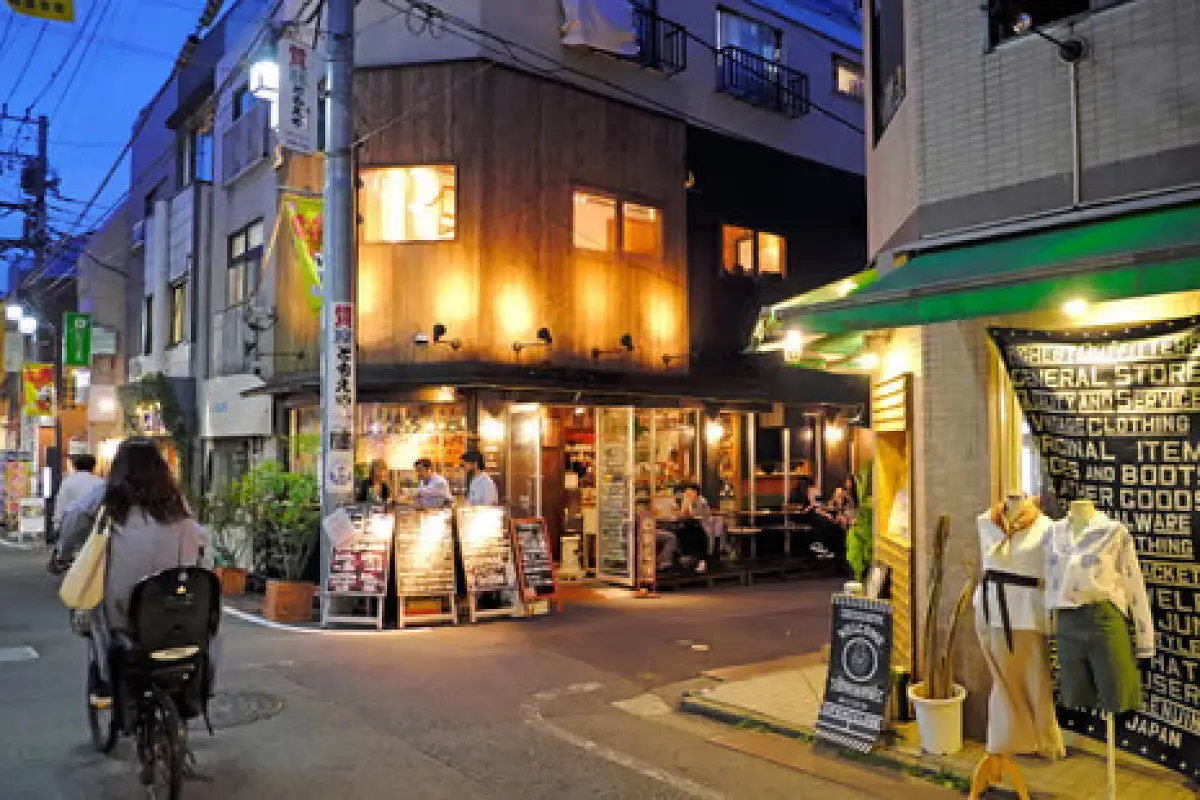
TOKYO, June 9, 2026 — Japan's izakaya sector is closing businesses at the fastest pace since records began in 1989, with inflation, a reshaped post-pandemic work culture and weak appeal to foreign visitors pushing operators across the country into insolvency. Data from Tokyo Shoko Research shows 88 izakaya declared bankruptcy with liabilities of at least 10 million yen between January and April 2026 a 54.3 percent jump compared to the same four months of last year.
The figure surpasses the previous record of 59 bankruptcies for a comparable period, which was set in 2024, and signals a structural pressure on one of Japan's most recognisable social institutions rather than a temporary dip in trade.
Izakaya Operators Squeeze Between Rising Costs and Cautious Customers
Japan is enduring its most severe bout of inflation in a generation, and izakaya operators sit in a particularly exposed position. Food ingredient costs, utility bills and imported supplies have all climbed, yet the nature of the business makes passing those increases to customers difficult without triggering a drop in visits.
Many operators have responded by reducing portion sizes, substituting cheaper ingredients or repricing menu items. Those adjustments have limits. Tokyo Shoko Research notes that the all-you-can-drink dining packages typically offering a full spread of food and unlimited alcohol for 90 or 120 minutes now frequently exceed 5,000 yen per person, a threshold at which many customers decide the outing no longer represents value.
Consumers facing their own cost pressures across rent, groceries and transport are growing more selective about discretionary spending, and the calculus is shifting in favour of convenience store beer and supermarket snacks consumed at home.
The After-Work Drinking Custom Fades With Remote Work
Beyond economics, a behavioural shift is undermining the social engine that historically drove izakaya footfall. These pubs built much of their trade on groups of colleagues gathering after work for seasonal parties, welcome dinners or spontaneous end-of-shift drinks near the commuter station.
That habit weakened sharply during the COVID-19 pandemic and has not recovered to its earlier level. Remote working, once rare in Japan, now forms part of the employment offer at a growing number of companies. Fewer people commuting means fewer people geographically close to an izakaya when the working day ends.
Attitudes toward after-hours socialising with colleagues have also shifted. A broader generational reassessment of work-life balance has reduced the social pressure to join company outings, and many employees now treat overtime socialising as a burden rather than a perk. The result is a structural reduction in the group bookings that filled izakaya tables on weeknights.
Foreign Tourists Choose Ramen Over the Pub
Japan's inbound tourism has remained strong, supported by a weak yen that makes dining out appear affordable for visitors from many markets. That tailwind has not reached the izakaya sector, however. Tokyo Shoko Research's data indicates foreign tourists are not choosing izakaya at the rate they patronise other Japanese restaurant formats.
The reasons are practical. International visitors drawn to Japanese food culture tend to seek out identifiable dishes ramen, sushi, tempura or curry rice at restaurants that specialise in and visibly promote a single item. Izakaya, with their broad and often untranslated menus, present a steeper navigation challenge for first-time visitors unfamiliar with ordering conventions.
The otoshi a small, unordered appetiser charged to every table without prior notice of price can also produce an unwelcome surprise for newcomers arriving without knowledge of the custom. These friction points reduce the likelihood that a foreign visitor selects an izakaya over a more immediately legible option nearby.
An Institution Under Pressure, Not Yet Declared Finished
The izakaya format carries cultural weight that extends beyond food service. These venues have for decades functioned as a third space between home and office a place for informal conversation, communal eating and the loosening of workplace hierarchy over a shared round of drinks.
For food culture context, BBC Good Food's guide to Japanese cuisine and recipes illustrates the depth of tradition behind the dishes izakaya have long served.
Whether the current wave of closures represents a permanent contraction or a painful but survivable correction remains open. Some operators are adapting — reworking menus, shortening opening hours to reduce utility costs, or targeting lunchtime trade to supplement declining evening revenue. The data, however, suggests the sector as a whole faces a sustained period of consolidation rather than a swift rebound.
The full bankruptcy dataset is published by Tokyo Shoko Research, Japan's leading corporate credit and insolvency tracking organisation.
Read more: Dining Out Trends 2026: Why People Prefer Dining Out Over Cooking More Than Ever
Rise of Experience-Based Restaurants: Why Are They Taking Over Dining?