Thai Police Raid Huai Khwang Restaurants in Yuan Payment Crackdown
Thai immigration police raid Chinese-run Huai Khwang restaurants over yuan payment claims as 53 firms face Foreign Business Act probes. Read the full story here.
 Prajakta Sanjay Warwadkar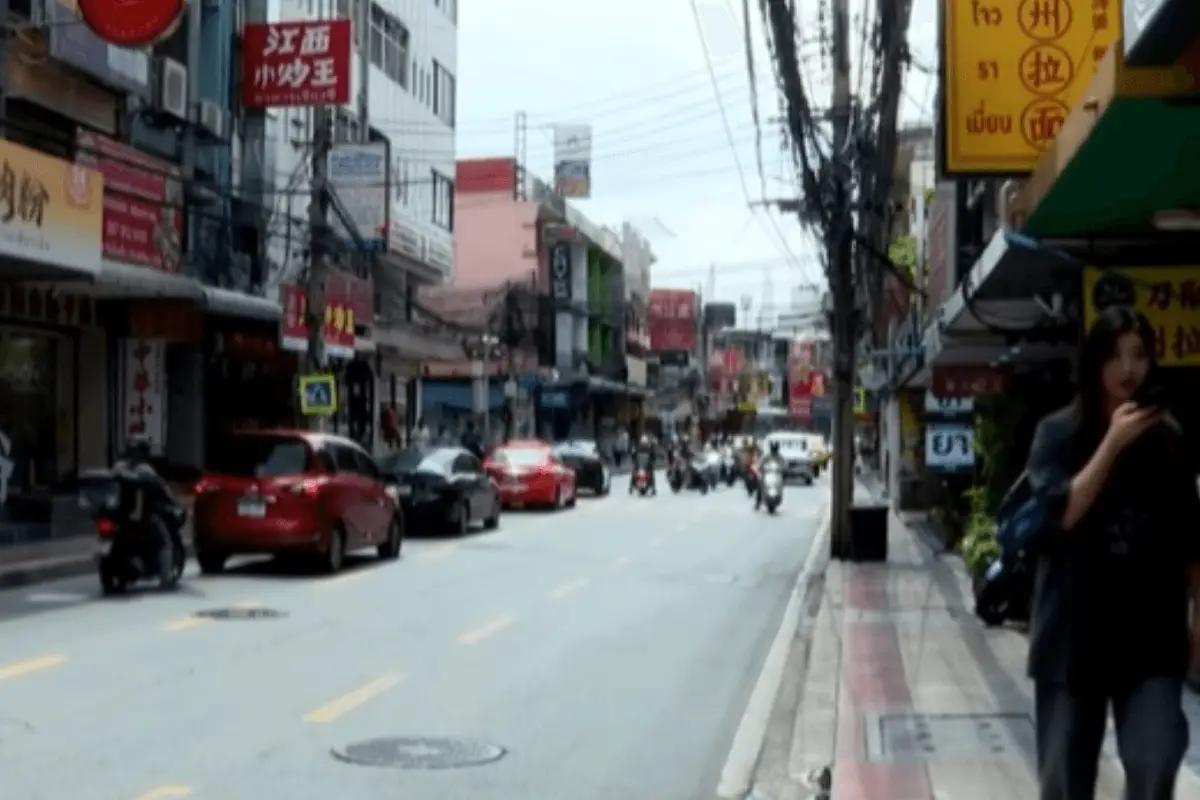
BANGKOK, June 5, 2026 — Thai immigration police and officials from the Labour Ministry and the Department of Business Development raided several Chinese-run restaurants in Bangkok's Huai Khwang district on June 4, investigating whether any establishments had refused to accept Thai baht and demanded payment in Chinese yuan as alleged by a Chinese influencer in a viral TikTok video posted on May 25. The operation marks a significant escalation of what began as a social media dispute into a multi-agency enforcement action with potential implications under the Foreign Business Act, the Exchange Control Act and Thai corporate law.
The Thai police raid on Huai Khwang restaurants follows days of mounting public and official pressure after Chinese TikToker Wang Bingyang, known online as Bing, posted a video on May 25 describing his experience at a Chinese restaurant in the area, claiming he attempted to pay for his meal using a Thai QR payment method but was allegedly told that the restaurant accepted only yuan payments. The video attracted significant attention from both Thai and Chinese social media users, with several commenters claiming they had encountered similar situations at other restaurants in the Huai Khwang area.
Thai Police Raid Huai Khwang Amid Foreign Business Act Probe
The raids extended well beyond a currency compliance check. Poonpong Naiyanapakorn, director-general of the Department of Business Development, said the department had identified 53 firms operating in sectors restricted under the Foreign Business Act as part of the crackdown. The companies have registered capital ranging from 1 million to 4.9 billion baht.
Poonpong also addressed media reports that some restaurants had refused to accept payment in Thai baht. He said the department was filing charges and imposing fines on one restaurant after its management and shareholders failed to comply with an order from accounting inspectors to provide explanations. The restaurant was registered as a company in 2024 and declared restaurant operations as its business activity. Corporate records show one Thai shareholder holding 51 percent of the shares, with two Chinese shareholders owning the remaining 49 percent. The ownership structure is consistent with nominee shareholding arrangements, in which a Thai national holds shares on behalf of foreign operators to circumvent restrictions under the Foreign Business Act a practice that can carry criminal penalties including imprisonment.
Huai Khwang, described by Thai media as Bangkok's emerging Chinatown, has drawn increasing scrutiny from authorities seeking to identify businesses that may operate through such arrangements. Huai Khwang district authorities intensified inspections of businesses following the reports, with district director Sombat Kruakeeratitham saying officials checked the payment systems of 79 businesses in the area.
Restaurant Named in Original Claim Denies Yuan-Only Payment Policy
The restaurant at the center of the original TikTok allegation pushed back publicly after the investigation gained traction. A restaurant in Huai Khwang district denied allegations that it accepts only Chinese yuan payments after the influencer shared the viral video. No evidence of the original transaction has been independently produced to confirm or refute the account.
Following the investigation, Bing released another video addressing the reaction to his original post. He said he had received criticism on Chinese social media platforms, where many users accused him of fabricating the story and demanded evidence to support his claims. Bing acknowledged that he did not possess evidence proving the allegation. The influencer said he had only shared his personal experience and dissatisfaction as a customer, and added that he was not attempting to determine who was right or wrong.
Despite the influencer's acknowledgment that he lacked documentary evidence, Thai authorities proceeded with a broad crackdown that extended beyond the original noodle restaurant to cover the wider Huai Khwang business community. Officials indicated the currency complaint had provided an opening to investigate compliance issues that predated the viral video.
Authorities Clear One Restaurant While Charges Proceed Against Another
Bangkok authorities cleared a noodle restaurant in the Huai Khwang district of illegal payment practices following a thorough inspection prompted by the viral social media allegations. The clearance applies specifically to the yuan payment allegation and does not address the separate Foreign Business Act and accounting compliance investigations under way across the district's 53 flagged firms.
Separately, the Department of Business Development confirmed it is pursuing charges and fines against the restaurant whose management and shareholders declined to cooperate with accounting inspectors. That action focuses on corporate compliance failures rather than the payment practice allegations, representing a distinct legal track from the currency dispute that sparked the wider investigation.
Bangkok Hospitality Sector Faces Mounting Regulatory Pressure
The Huai Khwang crackdown reflects a broader pattern of Thai regulatory attention directed at foreign-operated businesses across the capital's hospitality and food service sectors. The use of nominee shareholding to circumvent the Foreign Business Act which restricts foreign ownership in restaurant and retail operations has been a recurring compliance concern for Thai authorities, who have periodically conducted enforcement sweeps targeting Chinese, South Korean and other foreign-dominated business districts in Bangkok.
The district office's planned rollout of payment certification stickers for participating restaurants confirming that Thai baht is accepted adds a visible consumer-facing element to the enforcement response. The measure is designed to restore confidence among Thai customers and tourists dining in Huai Khwang, and signals that district-level authorities view ongoing compliance monitoring rather than a single raid as the appropriate long-term response.
For broader context on Thailand's regulatory framework governing foreign restaurant ownership and payment compliance, Bangkok Post has provided sustained coverage of the Huai Khwang developments. Hospitality Career Profile offers wider coverage of Southeast Asia's evolving dining industry and the compliance pressures shaping hospitality operations across the region.
Read more: Dining Out Trends 2026: Why People Prefer Dining Out Over Cooking More Than Ever
Rise of Experience-Based Restaurants: Why Are They Taking Over Dining?