F&B Grooming Standards Training: SOP & Professional Service Protocol
Learn F&B grooming standards training with SOP, hygiene protocols, personal appearance guidelines, and professional service standards for hotel and restaurant staff.
 Jyoti Kushwaha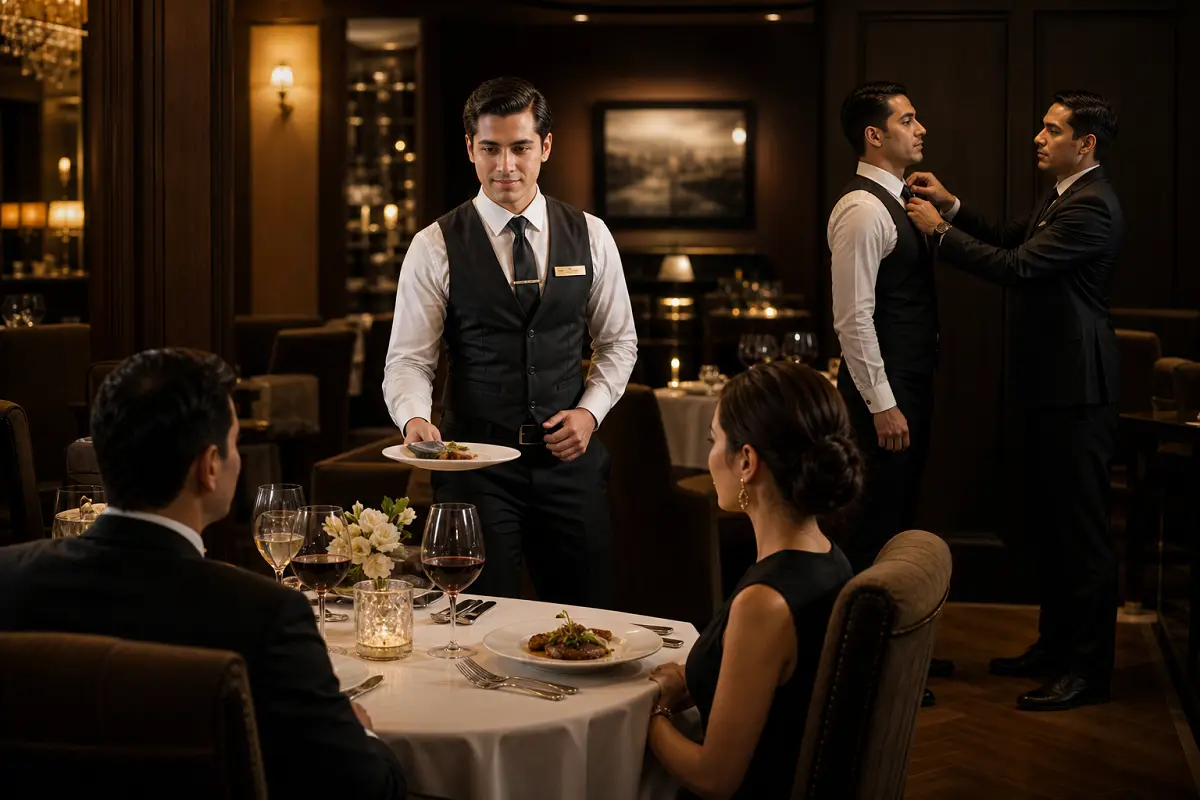
The first thing a guest notices isn’t the food, it’s the person walking up to the table. That’s where standards are won or lost.
This f&b grooming standards training module is built for restaurant and hotel service staff to keep appearance sharp, hygiene tight, and presentation consistent. Grooming isn’t just about looking good, it protects food safety, shapes guest perception, and holds brand standards in place during daily operations.
Overview of Grooming Standards in F&B Operations
F&B grooming standards training sets clear rules for personal hygiene, uniform, and overall appearance in hospitality spaces. Staff handle both guests and food all day, so grooming directly links to safety, hygiene, and service quality.
A well-groomed team member builds trust the moment they approach the table. It shows control. It shows discipline. Poor grooming does the opposite, it raises doubts about hygiene and damages the brand instantly.
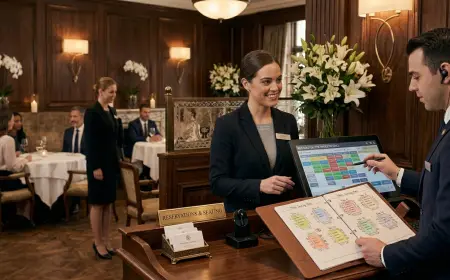
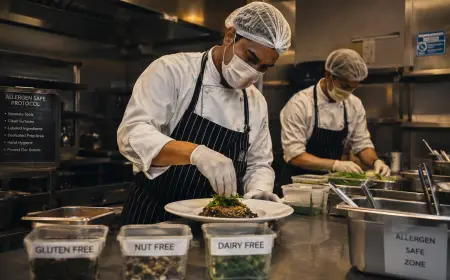
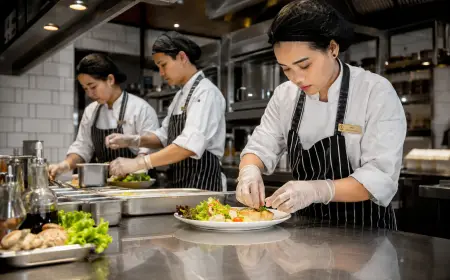
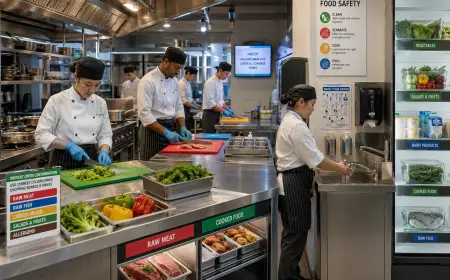
These hospitality appearance standards apply to everyone, Front of House (FOH) and Back of House (BOH). FOH focuses on guest-facing presentation. BOH focuses on hygiene and contamination control. Both sides must stay aligned.
Daily pre-shift grooming checks keep standards tight. Supervisors don’t just check once they stay on it through the shift.
SOP Procedure for F&B Grooming Standards Training
This restaurant staff grooming sop ensures every team member stays clean, presentable, and service-ready at all times.
1. Pre-Shift Grooming Check
Report 15–20 minutes early. Get checked. No one hits the floor without supervisor clearance on uniform, hygiene, and appearance.
2. Personal Hygiene Compliance
Daily hygiene is non-negotiable. Bath, oral care, trimmed nails, clean hands. Wash hands every 30 minutes. And after handling food, waste, or cash. No shortcuts.
3. Uniform Standards
Uniform must be clean, ironed, and complete. Missing badge, apron, or tie? You’re not ready for service.
4. Hair and Facial Grooming
Hair stays neat and controlled. Long hair tied back. Male staff—clean shave or properly trimmed beard as per policy.
5. Personal Accessories Control
Keep it minimal. Only a watch and simple ring allowed. Anything extra creates service friction and hygiene risk.
6. Fragrance and Odour Control
Use mild deodorant. Strong perfumes interfere with the dining experience. Guests should smell food not you.
7. Continuous Monitoring During Service
Standards don’t drop mid-shift. Supervisors keep checking especially during peak hours.
8. Post-Shift Compliance
Uniform goes for proper storage or laundry. Personal hygiene continues even after the shift ends.
Operational Grooming Standards and Appearance Guidelines
These standards define how staff show up on the floor clean, consistent, and professional every single time.
Uniform Guidelines:
a. Clean and wrinkle-free uniform
b. Properly fitted attire
c. Polished shoes (black formal preferred)
d. Name badge worn on left chest
e. Apron clean and properly tied
Hair Standards:
a. Clean and neatly combed hair
b. Long hair tied back securely
c. No extreme styles or colors
Facial Grooming:
a. Clean shave or neatly trimmed beard
b. No uneven or messy facial hair
Hand and Nail Hygiene:
a. Nails short and clean
b.No nail polish for food handlers
c.Handwashing done frequently
Personal Hygiene:
a. Fresh breath at all times
b. No body odour
c. Deodorant is mandatory
Stick to these, and you protect both hygiene and your professional image on the floor.
Service Interaction and Grooming Impact
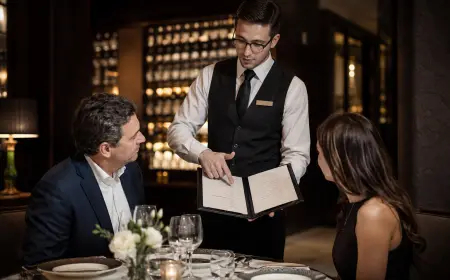
Grooming shows up in service before you even speak. A sharp appearance builds confidence and keeps the table comfortable.
Service Interaction Standards:
- Maintain eye contact
- Speak clearly and politely
- Stand upright, do not slouch
- Don’t touch face or hair during service
- Keep hands clean and visible
During Service:
- Don’t adjust uniform in front of guests
- No personal items on the floor
- Keep handling of food and beverages clean and controlled
Guest Perception Factors:
- Clean uniform
- Neat hair and appearance
- Freshness and hygiene
- Professional body language
Guests read all of this fast. And they judge service quality based on it.
Tools and Equipment Supporting Grooming Standards
You can’t maintain standards without the right setup. These tools keep the system running.
Essential Facilities:
- Staff changing rooms
- Lockers for personal items
- Grooming mirrors
- Handwashing stations with soap and sanitizer
Hygiene Tools:
- Hand sanitizers
- Disposable gloves (BOH)
- Hair nets and caps (kitchen staff)
- Lint rollers for uniforms
Uniform Management:
- Laundry services
- Spare uniforms ready
- Ironing facilities
Without these, maintaining food safety hygiene training standards becomes difficult on a busy shift.
Service Standards and Performance Metrics
This service staff professionalism training runs on measurable checks. No guesswork.
Key Performance Metrics:
- Grooming compliance: 100% before shift
- Uniform cleanliness: 100% adherence
- Hand hygiene: every 30 minutes
- Supervisor inspection score: above 95%
- Guest feedback on appearance: above 90%
Supervisors must run random checks during service. Standards drop when no one is watching.
Evaluation and Continuous Improvement
Consistency comes from daily control and regular correction.
Evaluation Methods:
- Daily grooming checklists
- Supervisor inspections
- Guest feedback reviews
- Hygiene audits
- Staff training sessions
Common issues? Staff negligence, high turnover, and peak-hour pressure. Fix them with training, tight supervision, and strict SOP follow-through.
Modern setups now use digital checklists and hygiene tracking systems. But at the end of the shift, it comes down to discipline on the floor and control from management.
Keep the standards tight and the service will follow.
Want to know more about Food and beverage services? Read here