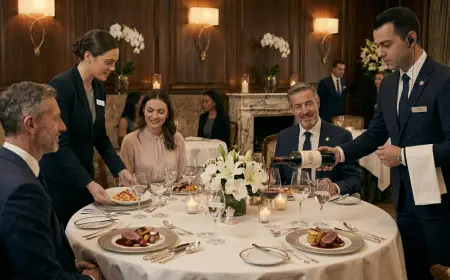
Industry Level Banquet Service Training SOP & Hotel Standards 2026
Learn industry level banquet service training SOP with service sequence, setup standards, and guest handling techniques for hotel banquet operations.
 Jyoti Kushwaha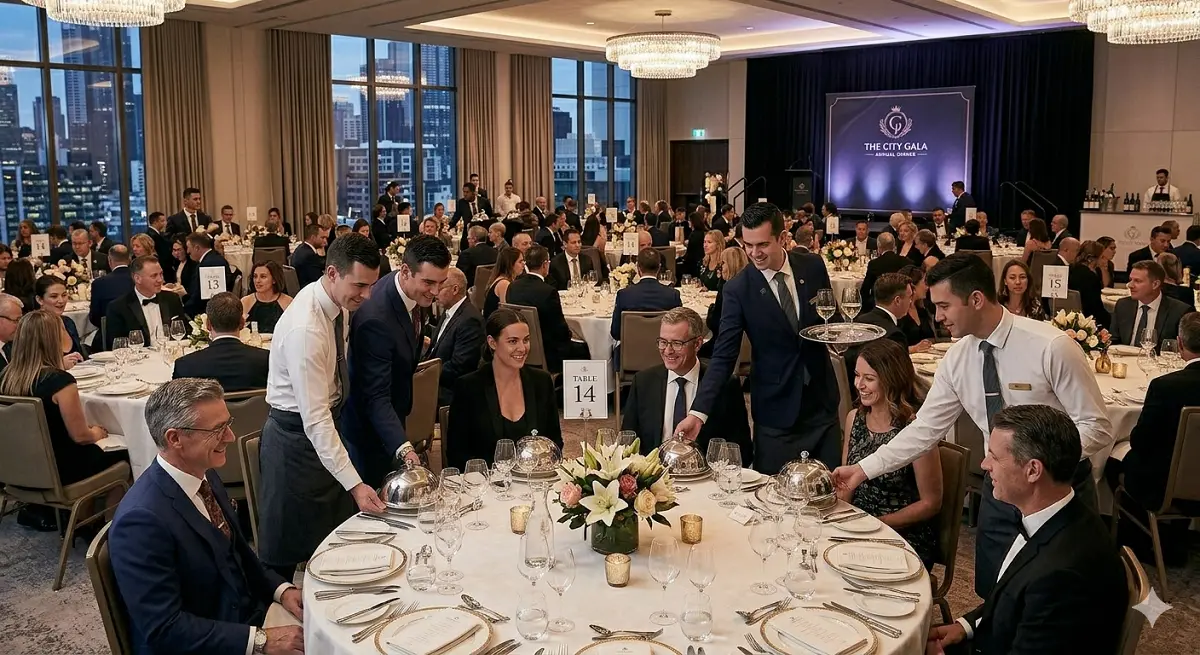
The latest feedback from the banquet floor is clear. When one table gets served late, the whole room feels it. Banquet service is about timing, discipline, and moving as one unit. No freelancing here. this article provides complete information about banquet service training SOP.
Overview of Banquet Service Training SOP in Hotel Operations
Banquet service runs on planning, not improvisation. You are not serving one table. You are managing a room full of guests with fixed timelines and expectations. Unlike restaurant service, everything is pre-decided. Menu, seating, flow. Your job is execution. Clean, fast, and in sync.
This service style shows up in weddings, conferences, gala dinners, and corporate events. High pressure. High visibility. One mistake, everyone notices. FOH, BOH, and event teams must move together. If the kitchen fires late or service moves early, you create service friction. Get this right, and the event flows smoothly. Get it wrong, and the room loses rhythm.
SOP Procedure for Banquet Service Training
1. Pre-Event Briefing
Show up sharp. Listen carefully. Know the event schedule, menu, guest count, and your station. No guessing on the floor.
2. Banquet Setup
Set tables exactly as per layout. Alignment matters. Spacing matters. A messy setup shows before service even begins.
3. Mise-en-Place Preparation
Stock your side stations fully. Trays, water jugs, backup cutlery. If you run mid-service, you slow the whole team.
4. Coordination with Kitchen
Confirm course sequence and timing. Kitchen works in batches. You match their pace, not your own.
5. Guest Arrival Preparation
Be in position before guests walk in. Water service ready. Tables clean. First impression is silent but strong.
6. Food Service Execution
Serve course by course. Move together. All tables should receive food at the same time. No table left behind.
7. Beverage Service
Keep drinks flowing. Water, soft drinks, or alcohol as per event. Watch glasses. Refill before guests ask.
8. Clearance and Reset
Clear quickly after each course. Reset immediately. Keep the table ready for the next move.
Operational Service Sequence and Event Flow
Step-by-Step Service Flow:
1. Complete banquet setup before event start
2. Conduct team briefing and assign stations
3. Welcome and seat guests
4. Serve water and initial beverages
5. Coordinate with kitchen for first course
6. Serve all tables at the same time
7. Monitor guest needs during service
8. Clear plates after each course
9. Serve next courses in sequence
10. Provide dessert and final service
11. Clear tables and complete post-event cleanup
Service Timing Benchmarks:
a. Pre-event setup: 2 to 3 hours before event
b. Guest seating and water service: within 5 minutes
c. Course gap: 10 to 15 minutes
d. Plate clearance: within 3 minutes
e. Full event cycle: as per event schedule
Timing is everything here. If one step slips, the whole service drifts.
Guest Interaction and Service Techniques
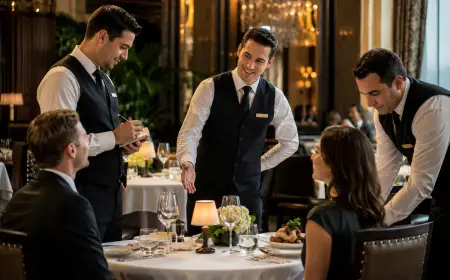
Banquet service is not chatty service. It is controlled, clean, and respectful.
Communication Standards:
a. Greet guests politely
b. Keep communication short and professional
c. Respond fast when called
d. Maintain formal posture at all times
Service Techniques:
a. Serve from left or right as per service style
b. Move in sync with your team
c. Use trays efficiently for bulk service
d. Do not interrupt conversations
Service Coordination:
a. Follow captain instructions without delay
b. Serve all guests together
c. Keep portion sizes equal
d. Maintain uniform presentation across tables
Do’s and Don’ts:
Do’s:
a. Stay disciplined and coordinated
b. Stay alert on the floor
c. Keep your area clean and ready
Don’ts:
a. Do not serve incomplete tables
b. Do not delay one table over another
c. Do not create noise or confusion
Pro tip. Guests remember smooth flow more than fancy service.
Tools and Equipment for Banquet Service
You cannot run a banquet with poor setup. Equipment must support speed.
Primary Equipment:
a. Banquet tables and chairs
b. Service trays and tray stands
c. Chafing dishes and warmers
d. Cutlery, crockery, and glassware
Support Equipment:
a. Side stations
b. Beverage dispensers and water jugs
c. Service cloths and napkins
d. Clearance trolleys
Handling Guidelines:
a. Keep everything clean and polished
b. Maintain food temperature using warmers
c. Arrange tools for quick access
d. Replace damaged items immediately Clean tools. Fast hands. No excuses.
Service Standards and Performance Metrics
Numbers don’t lie. Track them.
Key Performance Metrics:
a. Service synchronization: 100%
b. Order accuracy: 100%
c. Guest satisfaction: above 90%
d. Timing adherence: above 90%
e. Hygiene compliance: 100%
Hit these, and your banquet runs like a machine.
Evaluation and Continuous Improvement
Strong teams review after every event. That is how you improve.
Evaluation Methods:
a. Supervisor monitoring during events
b. Post-event team debrief
c. Guest feedback review
d. Timing and coordination analysis
e. Staff performance checks
Common issues show up fast. Delays. Poor sync. Communication gaps. Fix them with training, tighter coordination, and clear leadership. Banquet service is all about discipline and teamwork. No shortcuts. When the team moves as one, the event feels effortless. That is the standard.
Read more about Guest Handling Training here