Professional Inventory Management Training: Complete Training Guide with SOP & Professional Standards
Learn professional inventory management training with SOP, stock control, storage systems, and cost tracking techniques for hotel and restaurant operations.
 Jyoti Kushwaha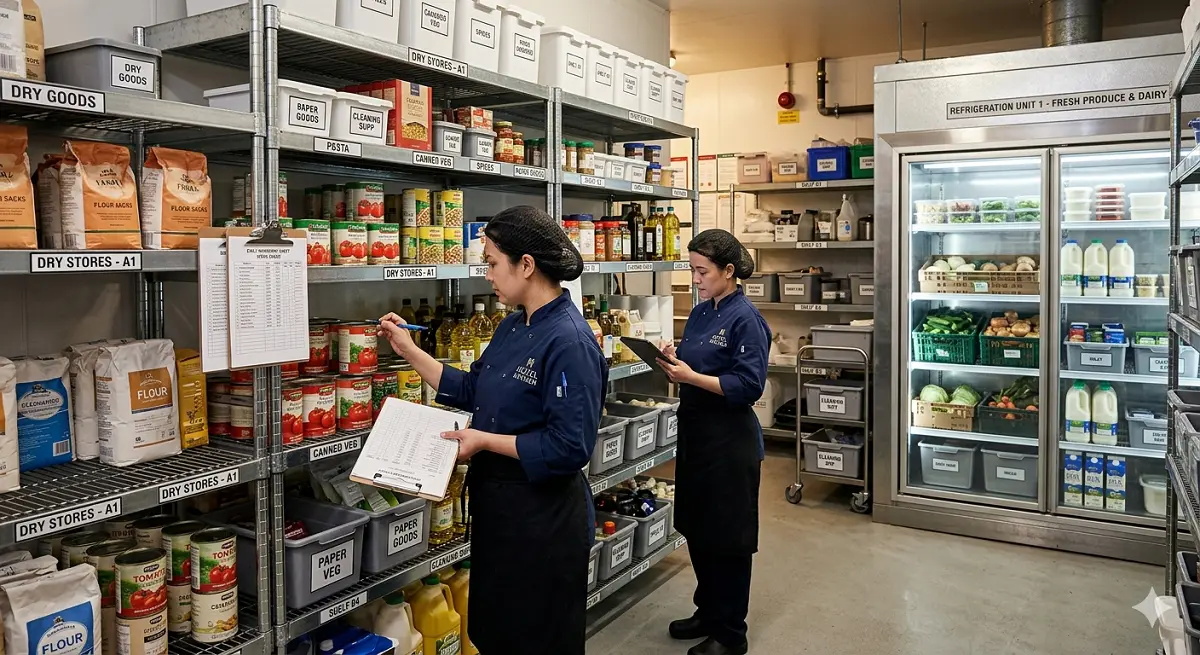
The reality in the store room is simple. If your stock is messy, your service will suffer. Tight inventory control keeps the kitchen moving, the bar stocked, and costs in check.
Overview of Professional Inventory Management Training
Inventory is everything you hold. Raw materials, beverages, dry goods, and operating supplies. If you control it well, service runs clean and consistent.
Get it wrong and you will see overstocking, shortages, spoilage, and money leaking every day. A clear system keeps stock levels right and reduces waste. It also helps you plan purchases with confidence.
This is not just a store job. Purchasing, receiving, kitchen, and service all play a role. Everyone must follow the same rules.
This training builds discipline around stock control, tracking, storage, and cost monitoring.
SOP Procedure for Inventory Management
Follow this step by step. No shortcuts.
1. Purchase Planning
Forecast based on covers, menu demand, and past data. Order what you need, not what you feel.
2. Receiving and Inspection
Check quantity and quality against the purchase order. Reject anything damaged or incorrect.
3. Proper Storage
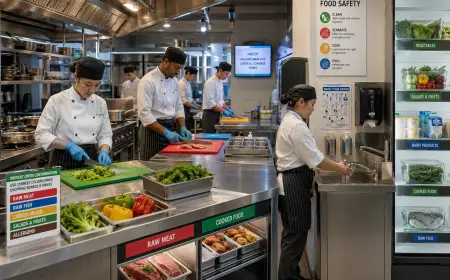
Store by category. Dry, chilled, frozen. Maintain correct temperature and hygiene.
4. Stock Labeling
Label everything with date of receipt and expiry. Follow FIFO every single time.
5. Stock Issuance
Issue stock only against requisition. No free access to storage.
6. Daily Stock Monitoring
Track movement daily. Keep records accurate. No guessing.
7. Physical Stock Count
Do daily or weekly counts. Match system stock with actual stock.
8. Variance Analysis
Find the gaps. Wastage, errors, or misuse. Fix it fast.
Pro tip. If you are not counting, you are losing money.
Operational Steps and Inventory Workflow
This is your daily rhythm. Keep it tight.
Step-by-Step Inventory Workflow:
• Forecast demand based on reservations and covers
• Plan purchase orders
• Receive and inspect goods properly
• Store items in correct locations
• Label and organize using FIFO
• Issue stock through requisition only
• Track daily consumption
• Conduct regular stock counts
• Record and analyze variance
• Adjust stock levels based on usage trends
Operational Benchmarks:
• Stock accuracy: 95 to 100 percent
• Inventory turnover: smooth and steady
• Wastage: minimal
• Variance: controlled and explained
Operational Controls:
• Avoid overstocking and understocking
• Restrict access to storage areas
• Watch high-value and perishable items closely
• Record every movement accurately
And remember. What is not recorded does not exist.
Service Interaction and Coordination Impact
Inventory is not just storage. It connects directly to kitchen and service.
Coordination with Kitchen:
- Issue stock based on actual production needs
- Control portions to avoid overuse
- Flag shortages immediately
Coordination with Service Team:
• Update them on unavailable items
• Push available stock through smart selling
• Avoid wrong orders that create waste
Handling Stock Shortages:
• Inform guests early
• Suggest alternatives
• Adjust menu if needed
Managing Excess Stock:
• Use slow items in specials
• Work with kitchen to reduce waste
• Track expiry dates closely
Good coordination reduces service friction and saves cost.
Tools and Equipment for Inventory Management
Right tools make control easier. But only if used properly.
Primary Tools:
• Inventory management software
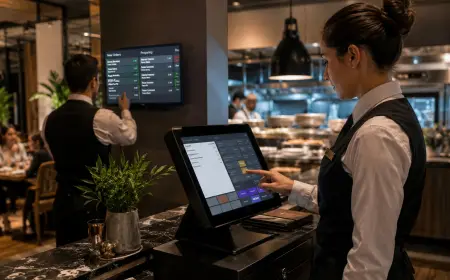
• POS system for sales tracking
• Purchase and receiving systems
• Stock registers and sheets
Support Equipment:
• Storage racks and shelving
• Refrigeration and freezer units
• Weighing scales and measuring tools
• Labeling systems
Usage Guidelines:
• Enter data correctly every time
• Keep records updated
• Use proper storage for each item
• Check equipment regularly
Tools do not fix mistakes. Discipline does.
Service Standards and Performance Metrics
You track what matters. These are your control points.
Key Performance Metrics:
• Stock accuracy: high precision
• Inventory turnover: efficient
• Wastage: minimal
• Stock variance: within limits
• Order fulfillment: 100 percent availability
• Cost control: within budget
Miss these and your margins drop. Simple as that.
Evaluation and Continuous Improvement
Control needs constant checking. Stay on it.
Evaluation Methods:
• Regular stock audits
• Variance report analysis
• Wastage tracking
• Purchase and usage reviews
• Staff performance checks
Common issues show up fast. Poor records, overstocking, weak coordination. Fix them with training, strict SOP follow-up, and supervision.
Inventory control is not paperwork. It is daily discipline. Get it right and your operation runs clean, cost stays tight, and service never stops.
Read more about beginner food cost control.