Airbus Reignites Battle in Bangladesh Following Boeing’s Massive Deal
Airbus Biman Bangladesh deal sees revised 10-jet proposal after Boeing’s $3.7B order, intensifying fleet competition in South Asia.
 Jishan Khan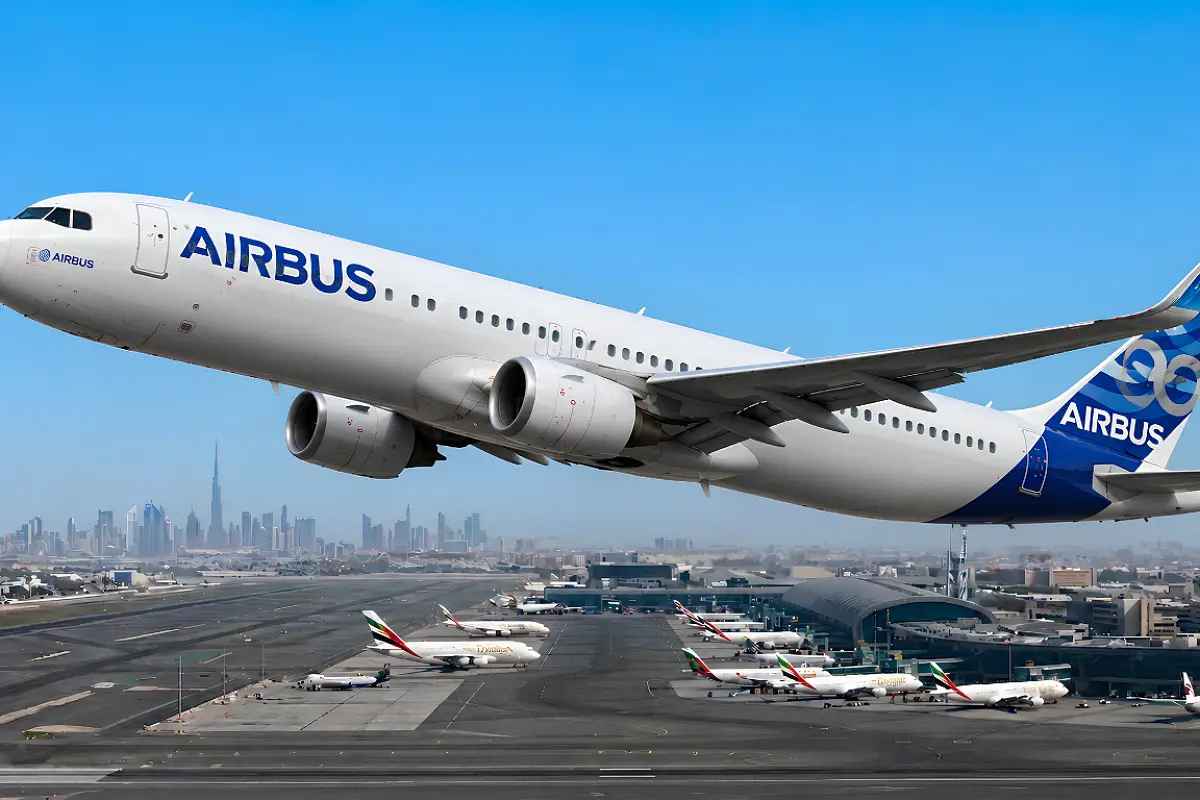
Airbus Is Not Ready to Lose Bangladesh, And the Fight It Is Starting Goes Way Beyond Selling Planes
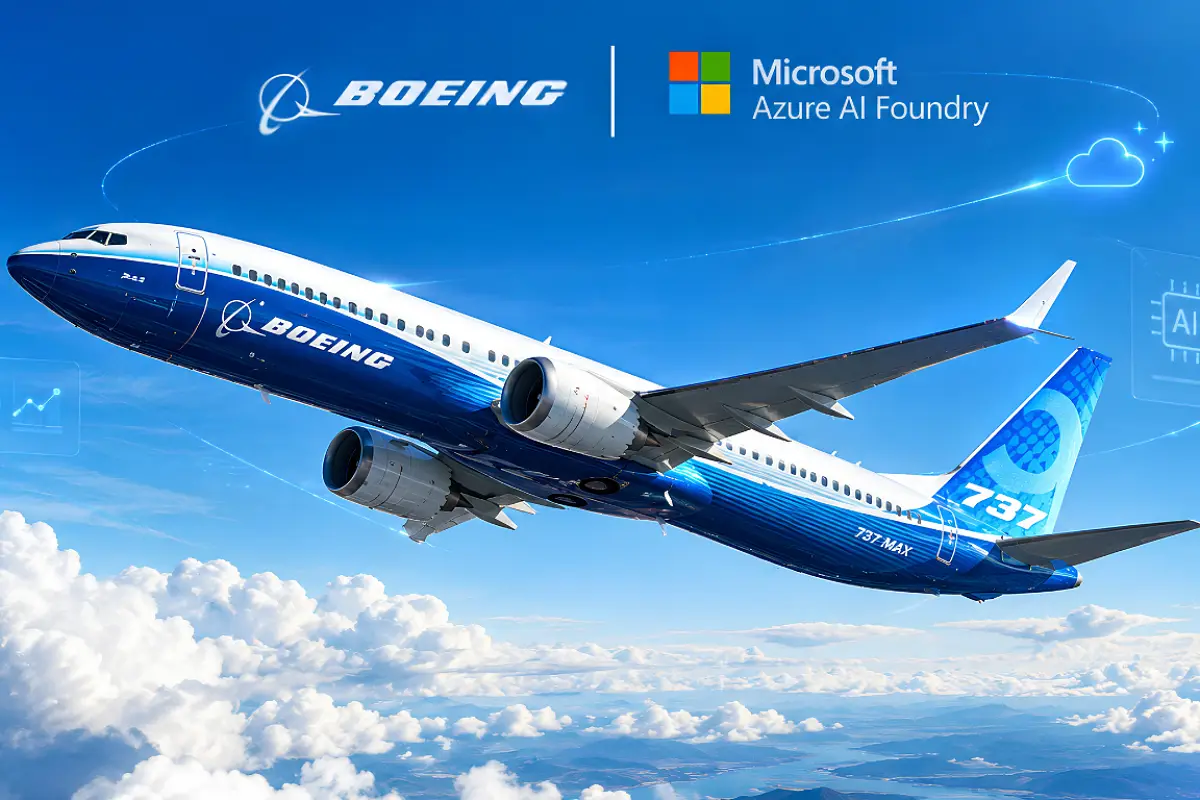
Boeing just signed a $3.7 billion deal with Biman Bangladesh Airlines. Airbus responded by submitting a fresh proposal within weeks. This stopped being about aircraft a long time ago.
In commercial aviation, when an airline signs a major fleet deal, the losing manufacturer usually steps back, reassesses, and waits for the next opportunity. That is the normal playbook.
Airbus is not running the normal playbook in Bangladesh.
Despite Biman Bangladesh Airlines locking in a $3.7 billion agreement with Boeing covering 14 aircraft, Airbus has come back to the table with a revised proposal for 10 jets, a mix of A350-900s for long-haul and A321neos for regional operations. The timing is deliberate. The message is clear. Airbus is telling Bangladesh, and everyone watching, that it is not prepared to hand South Asia's fastest-growing aviation market to its American rival without a serious fight.
Why Bangladesh Matters More Than the Deal Size Suggests
On paper, 10 aircraft is not a number that moves Airbus's global order book in any meaningful way. So why is the European manufacturer pushing this hard for a carrier the size of Biman?
Because aircraft deals in emerging markets are never just about the aircraft.
When a national carrier commits to a manufacturer, it creates dependencies that last decades. Maintenance infrastructure gets built around that fleet. Training programs get aligned to those cockpits. Engineering teams develop institutional knowledge around specific aircraft systems. Switching manufacturers after that becomes genuinely painful and expensive.
Whoever wins Biman's fleet strategy right now is not just selling jets for the next five years. They are potentially locking in Bangladesh's aviation ecosystem for the next twenty.
Boeing Got Here Through Trade, Not Just Technical Merit
What makes Airbus's position particularly frustrating, and its counter-proposal particularly urgent, is how Boeing secured its deal in the first place.
The $3.7 billion Boeing agreement did not emerge purely from a competitive aircraft evaluation. It came on the back of trade-linked negotiations between Boeing and Bangladesh's new interim government, in a broader context of US trade relations with Dhaka. That is a dynamic Airbus cannot replicate with the same levers. Europe's trade relationship with Bangladesh operates on a different framework.
In simple terms, Boeing did not just win a fleet deal. It won a diplomatic conversation that Airbus was not fully part of. The revised Airbus proposal is partly a technical pitch and partly a signal to the Bangladeshi government that Europe is a serious long-term partner too, and that choosing only Boeing has consequences for how that relationship develops.
The A350 and A321neo Pitch Is Smarter Than It Looks
Airbus is not just throwing a competing number at Biman and hoping for the best. The combination of A350-900s and A321neos is a deliberately constructed argument for a mixed-fleet strategy.
The A350 targets Biman's long-haul ambitions, Middle East, Southeast Asia, eventually Europe, with better fuel economics than the widebody Boeing aircraft in the existing deal. The A321neo addresses the regional and medium-haul network where Biman has genuine growth potential across South and Southeast Asia.
Together, the proposal frames Airbus not as a replacement for Boeing but as a complement to it. That is a harder argument for Biman to reject outright, because it does not require them to walk away from the Boeing deal they already signed. It just requires them to leave the door open for what comes next.
What Europe Versus America in South Asia Actually Looks Like
The broader story here is one that goes well beyond Biman or even aviation. South Asia is becoming one of the most contested regions for long-term economic influence between European and American commercial interests, and aviation is one of the clearest battlegrounds because the deals are large, public, and strategically visible.
When Boeing wins a fleet deal through trade-linked diplomacy, it is not just Airbus that takes notice. European governments, trade bodies, and industries across multiple sectors watch those moments and recalibrate how aggressively they need to compete for influence in markets like Bangladesh, India, Vietnam, and Indonesia.
Airbus's revised proposal is as much a signal to Brussels as it is to Dhaka, that the European aerospace industry is not going to quietly accept being outmaneuvered on trade diplomacy in Asia's growth markets.
What It Means for Biman, And Bangladeshi Passengers
For Biman, this competition is genuinely good news. An airline that two of the world's largest manufacturers are actively fighting over has real negotiating leverage, on pricing, on financing terms, on maintenance support packages, on pilot training commitments.
If Biman plays this correctly, it does not have to choose one side definitively. It can build a mixed fleet that keeps both manufacturers competing for its business for the next decade, driving better terms every time a new order comes up for discussion.
And for Bangladeshi passengers, a Biman that is better financed, better equipped, and operating newer more fuel-efficient aircraft, regardless of which manufacturer badge is on the tail, is ultimately the outcome that matters most.
The geopolitical battle between Europe and America will continue long after this particular proposal is decided. Biman just happens to be sitting at the table where that battle is being fought right now.