Brazil to Offer $490 Million in Loans to Airlines to Offset Rising Fuel Costs
Brazil plans $490 million loan support for airlines to offset rising fuel costs, aiming to stabilize the aviation sector amid financial pressure.
 Jishan Khan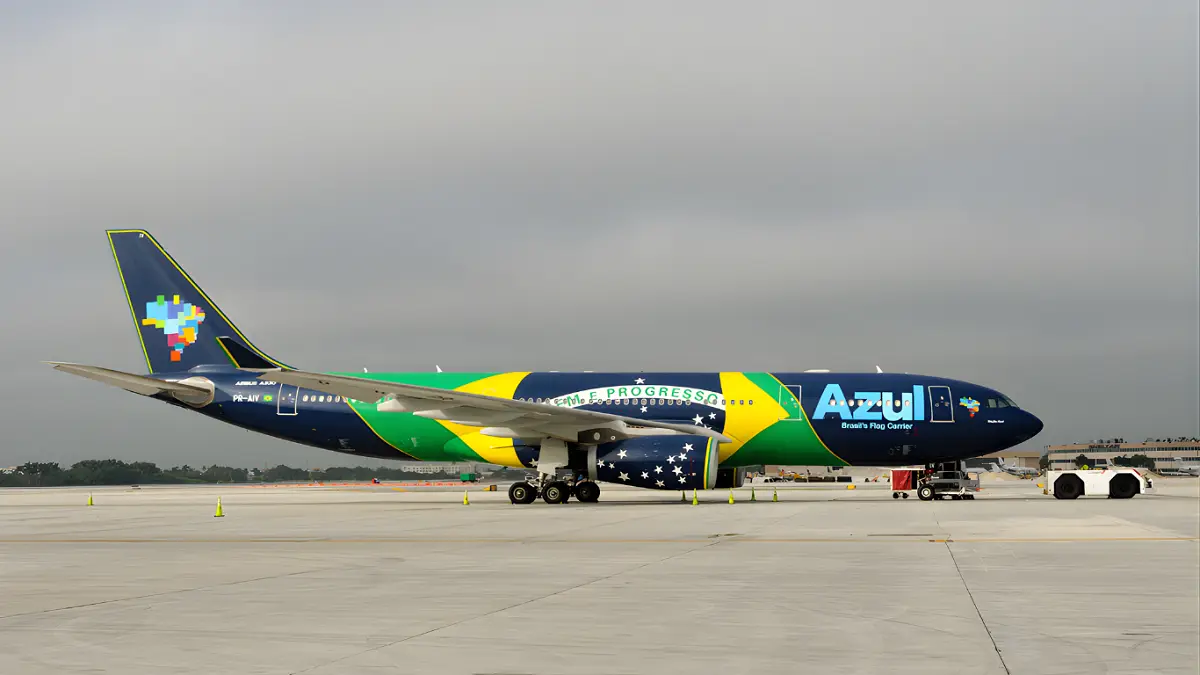
Brazil is preparing to offer approximately $490 million in loans to its airline sector to help offset rising fuel costs, a move aimed at stabilizing carriers facing mounting financial pressure due to increased operational expenses.
The proposed financial support comes as aviation fuel prices continue to weigh heavily on airline balance sheets, prompting government intervention to maintain industry stability and ensure continuity of air services across the country.
Government Loan Support Plan
The Brazilian government’s plan involves extending loans totaling around $490 million to airlines operating within the country. The initiative is designed to provide short-term financial relief, enabling carriers to manage cash flow challenges linked to elevated fuel expenses.
The support mechanism is expected to function as a credit facility rather than direct subsidies, allowing airlines to access liquidity while maintaining operational commitments. By offering loans instead of grants, authorities aim to balance industry support with fiscal responsibility.
The measure reflects growing concerns over the financial sustainability of airlines as fuel costs remain one of the largest components of operating expenditure.
Impact of Fuel Costs on Airlines
Aviation fuel represents a significant share of airline operating costs, often ranking among the top expenses alongside labor and maintenance. In Brazil, carriers have been particularly exposed to fluctuations in global fuel prices, which have increased financial strain across the sector.
Rising fuel costs can lead to higher ticket prices, reduced profitability, and adjustments in capacity or route networks. Airlines may also face challenges in maintaining competitive pricing while absorbing increased operational expenses.
The loan initiative is intended to mitigate these pressures, helping airlines sustain operations without resorting to drastic cost-cutting measures or service reductions.
Operational and Market Implications
Access to additional liquidity could enable airlines to maintain route networks, preserve capacity, and avoid disruptions to passenger and cargo services. This is particularly important in a market where air connectivity plays a key role in linking major cities and remote regions.
The financial support may also help stabilize ticket pricing by reducing the immediate need for airlines to pass on rising costs to consumers. However, the long-term impact will depend on fuel price trends and broader economic conditions.
The move underscores the role of government intervention in supporting critical infrastructure sectors during periods of economic stress, particularly when external factors such as fuel prices drive cost increases.
Industry Context in Latin America
The Brazilian initiative aligns with broader trends across the aviation industry, where governments and regulators are exploring measures to support airlines facing cost pressures. In Latin America, carriers have encountered a mix of challenges, including currency fluctuations, fuel price volatility, and evolving demand patterns.
Financial support mechanisms such as loans or credit facilities are often used to provide temporary relief while allowing airlines to continue operations and adjust to changing market conditions. These measures are typically designed to ensure that airlines remain viable without creating long-term dependency on state support.
The Brazilian aviation market, one of the largest in the region, plays a critical role in domestic and international connectivity, making stability in the sector a priority for policymakers.
Current Status
The loan proposal is expected to be implemented as part of broader efforts to support the aviation industry, although specific details regarding eligibility, terms, and distribution mechanisms have not yet been fully disclosed.
Airlines are likely to assess the potential benefits of the program in relation to their financial needs and operational strategies. The initiative represents a targeted response to current cost pressures, with a focus on maintaining service continuity and supporting the sector during a challenging period.