Severe Flight Disruptions in China Leave Thousands Stranded Amid Hundreds of Delays and Cancellations
Hundreds of flight delays and cancellations across China have stranded thousands of passengers, highlighting operational challenges and disruptions in the aviation sector.
 Jishan Khan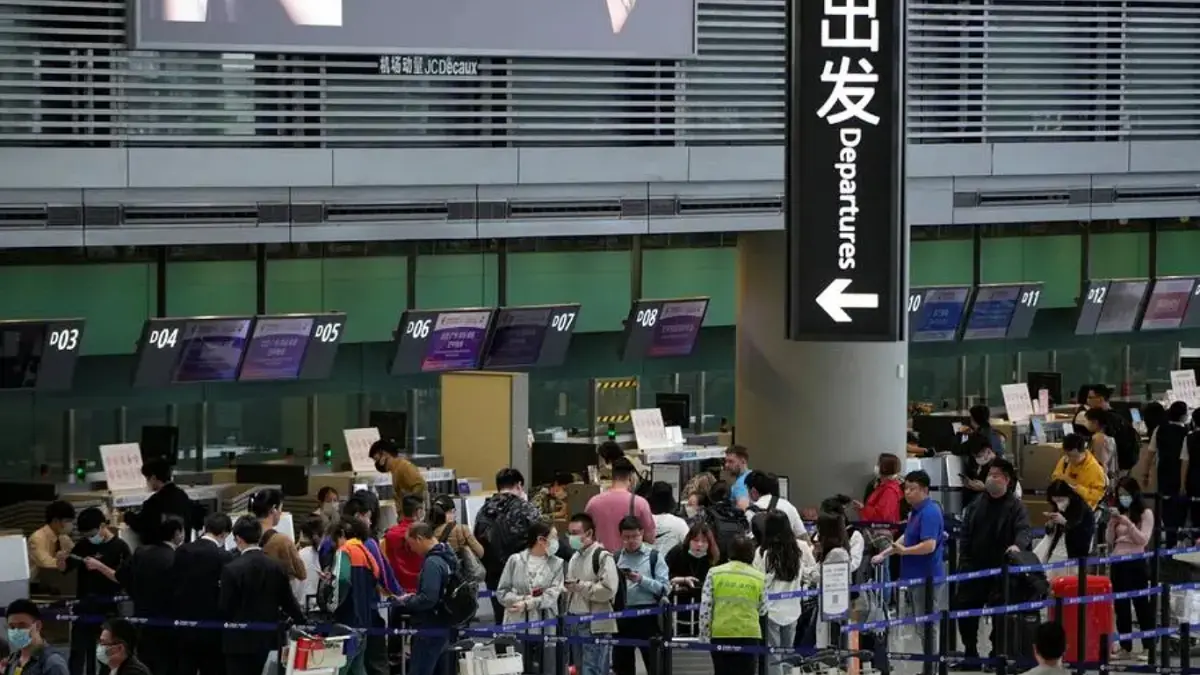
Thousands of passengers across China were left stranded after widespread flight disruptions resulted in more than 2,000 delays and over 300 cancellations in early April 2026, causing significant operational challenges at major airports and impacting travel plans nationwide.
The disruption affected multiple airports across the country, with airlines forced to delay or cancel flights due to a combination of operational constraints, air traffic congestion, and adverse conditions. The situation created ripple effects across domestic and international networks, leaving passengers facing extended wait times and uncertainty.
Widespread Disruptions Across Key Airports
Major aviation hubs in China experienced the brunt of the disruption, with flights delayed for hours and cancellations mounting throughout the day. Airports struggled to manage the sudden surge in affected passengers, leading to crowded terminals and long queues at service counters.
Airlines operating in the region were forced to adjust schedules rapidly, reassign aircraft, and manage crew availability to minimize further disruption. However, the scale of the delays made it difficult to restore normal operations quickly.
Passengers reported difficulties in securing alternative flights, with many facing overnight delays or extended travel interruptions as airlines worked to accommodate affected travelers.
Operational Challenges and Contributing Factors
The flight disruptions were attributed to a combination of factors, including air traffic control constraints, weather-related issues, and high traffic volumes. These challenges often compound during peak travel periods, placing additional pressure on aviation systems.
Air traffic congestion remains a persistent issue in parts of China, where rapid growth in air travel has outpaced infrastructure expansion in certain regions. This can lead to bottlenecks and reduced operational flexibility, particularly during periods of disruption.
Airlines and airport authorities are typically required to coordinate closely in such situations to manage capacity and ensure safety, even if it results in delays or cancellations.
Impact on Passengers
The disruptions had a significant impact on passengers, many of whom were left waiting for hours with limited information about their flights. Some travelers reported missing connecting flights, business commitments, or personal engagements due to the delays.
Airlines provided assistance in the form of rebooking options, accommodation, and meal vouchers in certain cases, but the high volume of affected passengers made it challenging to meet all needs promptly.
The situation highlights the vulnerability of passengers to large-scale disruptions and the importance of effective communication and contingency planning by airlines.
Airline Response and Recovery Efforts
Airlines responded by activating contingency plans, including adding extra flights where possible and prioritizing rebooking for affected passengers. Ground staff and customer service teams were deployed to assist travelers and manage crowd flow at airports.
Efforts to restore normal operations focused on clearing backlogs and stabilizing schedules. However, recovery from such large-scale disruptions can take time, particularly when multiple airports and routes are affected simultaneously.
Airlines also worked with airport authorities and air traffic control to optimize flight movements and minimize further delays.
Broader Industry Implications
The incident underscores the challenges faced by the aviation industry in managing high traffic volumes while maintaining operational efficiency. As air travel demand continues to grow, airlines and regulators must address infrastructure limitations and improve system resilience.
Investments in airport capacity, air traffic management systems, and digital technologies are critical to reducing the likelihood and impact of such disruptions. The situation in China reflects broader global challenges faced by the aviation sector.
Industry experts note that while disruptions are sometimes unavoidable, improved planning and coordination can help mitigate their effects on passengers and operations.
Infrastructure and Capacity Considerations
China has been investing heavily in aviation infrastructure, including the construction of new airports and the expansion of existing facilities. However, rapid growth in passenger demand continues to test the limits of current systems.
Balancing demand with available capacity is a key challenge for aviation authorities, requiring long-term planning and investment. Enhancements in air traffic control systems and airport operations are essential to support continued growth.
The recent disruptions highlight the need for ongoing improvements to ensure the reliability of air travel in the region.
Passenger Rights and Communication
Large-scale disruptions often bring attention to passenger rights and the responsibilities of airlines in managing delays and cancellations. Clear communication and timely updates are critical in maintaining passenger trust during such events.
Airlines are increasingly using digital tools to provide real-time information and updates to passengers, helping them make informed decisions about their travel plans. However, the effectiveness of these systems can be tested during major disruptions.
Improving communication strategies remains a priority for airlines aiming to enhance customer experience.
Future Outlook
As the aviation industry continues to expand, the frequency and impact of disruptions will depend on how effectively airlines and authorities address operational challenges. The integration of advanced technologies and improved infrastructure is expected to play a key role in enhancing resilience.
Airlines are likely to continue refining contingency plans and investing in systems that enable faster recovery from disruptions. Collaboration between industry stakeholders will be essential in achieving these goals.
The recent events in China serve as a reminder of the complexities involved in managing large-scale aviation operations in a high-demand environment.
Conclusion
The widespread flight delays and cancellations across China that stranded thousands of passengers highlight ongoing operational challenges in the aviation sector, as airlines and authorities work to restore normal services and improve system resilience.