China Japan Airspace Risk Raises Concerns for Japan Europe Routes
China Japan airspace risk for Japanese airlines could disrupt Europe routes, raise fuel costs, and impact airline profitability.
 Jishan Khan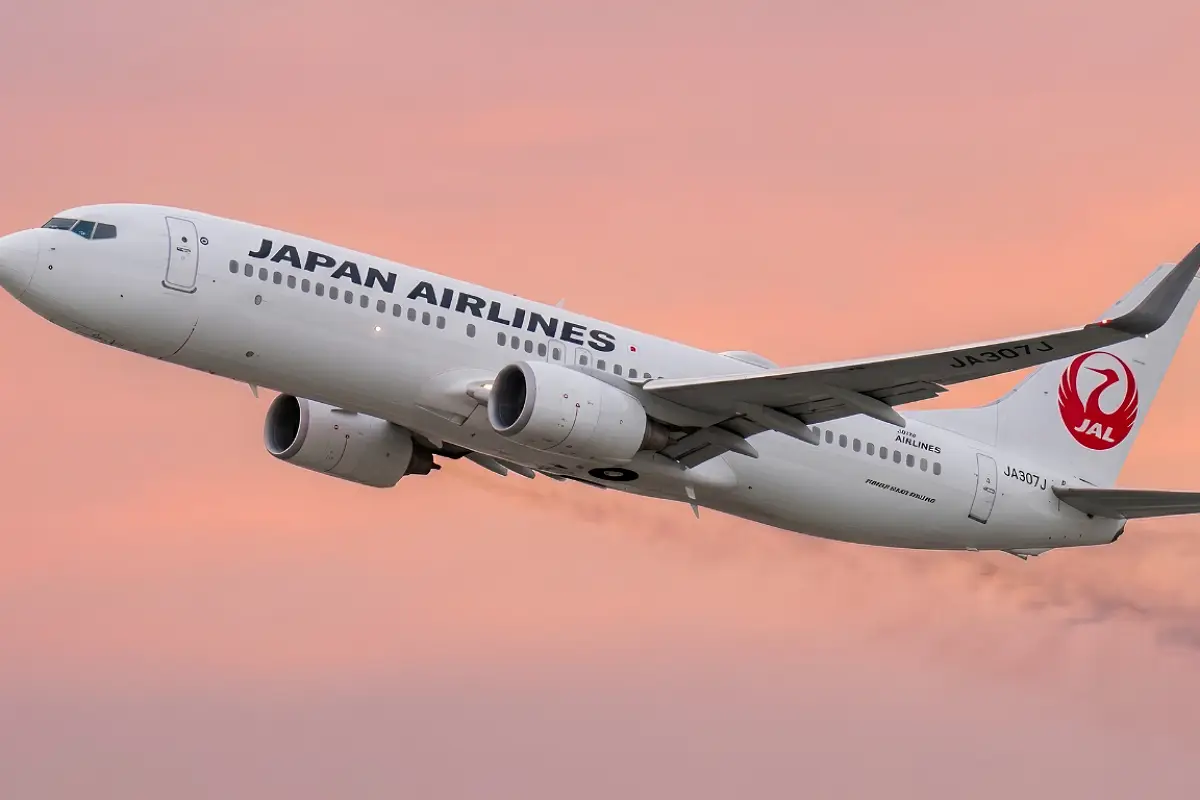
Growing China Japan airspace risk concerns are creating uncertainty for airlines operating between Asia and Europe, with fears that potential Chinese airspace restrictions could disrupt long-haul operations for Japanese carriers.
The situation is increasing pressure on airline route planning, fuel costs, and operational efficiency across the Asia-Pacific aviation sector.
Japanese Airlines Europe Routes Face Possible Disruptions
Major Japanese airlines Europe routes operated by Japan Airlines and All Nippon Airways could face operational challenges if access to Chinese airspace becomes restricted.
Many Europe-bound routes from Japan rely heavily on efficient flight paths through Chinese airspace to reduce travel time and operating costs.
Any rerouting would likely increase flight duration, fuel burn, and scheduling complexity for airlines operating transcontinental services.
Japan Airlines Airspace China Concerns Grow
Japan Airlines airspace China concerns are centered on the possibility of longer alternative routes if geopolitical tensions continue rising between the two countries.
Restricted access to Chinese airspace could force airlines to redirect flights through northern or southern corridors, reducing operational efficiency and increasing costs on long-haul services.
The issue highlights how geopolitical developments can directly affect airline network planning and international aviation connectivity.
ANA Flight Disruption China Risks Increase Operational Pressure
ANA flight disruption China concerns are also growing as airlines prepare contingency plans for potential route adjustments and airspace limitations.
Longer routes would increase fuel consumption, crew costs, maintenance requirements, and aircraft utilization pressure, creating additional financial strain for carriers already dealing with elevated operating expenses.
The aviation industry is currently facing broader global cost challenges, making any additional disruption particularly significant for profitability.
Airline Fuel Costs and Passenger Impact May Rise
The China Japan airspace risk situation could also impact passengers through longer travel times and potentially higher airfares on Japan-Europe services.
Airlines may need to adjust frequencies, schedules, or capacity depending on operational conditions and route economics.
Reduced efficiency on Japanese airlines Europe routes may affect both business and leisure travel demand across major international markets.
Current Trend: Geopolitical Risks Increasing Aviation Uncertainty
The China Japan airspace risk reflects a broader global aviation trend where geopolitical tensions are increasingly influencing airline operations, route planning, and fuel costs.
Carriers across Asia and Europe are becoming more dependent on flexible routing strategies and contingency planning as political developments continue shaping international airspace access and global aviation demand.