IndiGo Revises Fuel Surcharge Up to ₹10,000, Signaling Potential Rise in Airfares
IndiGo has revised its fuel surcharge by up to ₹10,000, raising concerns over higher airfares amid rising aviation fuel costs.
 Jishan Khan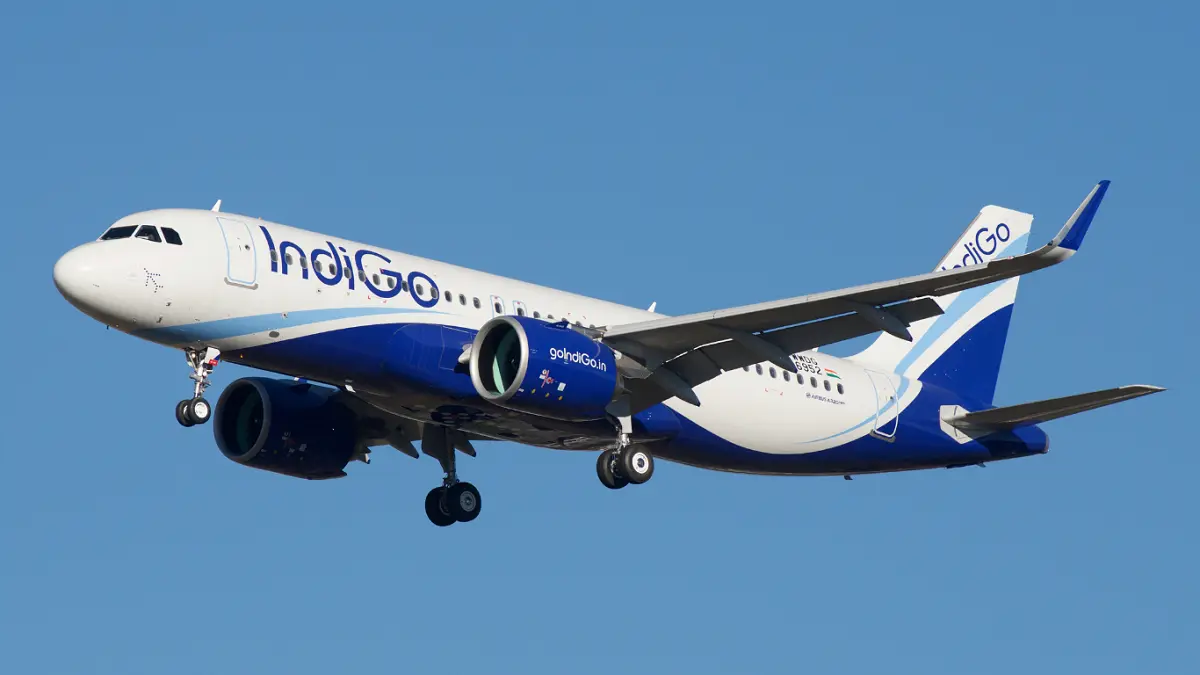
India’s largest airline, IndiGo, has revised its fuel surcharge by up to ₹10,000 in 2026, a move that is expected to push airfares higher across domestic and international routes as carriers respond to rising aviation turbine fuel (ATF) costs and ongoing market pressures.
The revised surcharge applies to various fare categories and route types, reflecting increased operational expenses faced by airlines. The decision comes amid a sustained rise in fuel prices, which remain one of the most significant cost components for carriers operating in India and globally.
Fuel Costs Driving Pricing Adjustments
Fuel expenses typically account for a substantial share of airline operating costs, often exceeding 30-40% depending on market conditions. The recent surge in ATF prices has forced airlines to reassess their pricing strategies to maintain profitability and operational sustainability.
IndiGo’s surcharge revision is aimed at partially offsetting these increased costs while ensuring continued service across its extensive route network. Industry analysts note that such adjustments are common during periods of volatile fuel pricing, particularly when cost pressures cannot be absorbed internally.
The move reflects broader trends in the aviation sector, where airlines are increasingly passing on a portion of rising expenses to passengers through fare adjustments and ancillary charges.
Impact on Airfares
The increase in fuel surcharge is expected to translate into higher ticket prices for passengers, especially on long-haul and high-demand routes. While the exact impact on fares will vary depending on factors such as route, demand, and booking timing, the upward pressure is likely to be felt across the market.
Domestic travelers may experience moderate increases, while international passengers could see more significant fare adjustments due to higher fuel consumption on longer routes. The revised surcharge structure is designed to align with route economics and operational requirements.
Travel demand, however, remains relatively strong, which may enable airlines to implement fare increases without significantly affecting load factors.
Industry-Wide Implications
IndiGo’s decision could influence pricing strategies across the Indian aviation industry, as competing carriers may adopt similar measures to cope with rising costs. Airlines often respond to such changes collectively, leading to broader fare adjustments across the market.
The Indian aviation sector has been experiencing a period of growth and recovery, supported by increasing passenger demand and expanding connectivity. However, cost pressures, including fuel, maintenance, and currency fluctuations, continue to challenge profitability.
Carriers are balancing the need to remain competitive with the necessity of maintaining financial stability, particularly in a price-sensitive market like India.
Regulatory and Market Context
Fuel surcharge adjustments are subject to regulatory oversight, ensuring transparency and compliance with pricing guidelines. Airlines must clearly communicate such changes to passengers and travel agents, maintaining clarity in fare structures.
The Directorate General of Civil Aviation (DGCA) monitors pricing practices within the industry, particularly during periods of significant fare increases. While airlines have flexibility in setting surcharges, they must operate within regulatory frameworks designed to protect consumer interests.
The current adjustment by IndiGo highlights the delicate balance between cost recovery and affordability in a competitive aviation market.
Passenger Response and Demand Trends
Passengers are likely to respond to fare increases by adjusting travel plans, seeking alternative routes, or booking tickets earlier to secure lower prices. However, demand for air travel in India has remained resilient, driven by economic growth and increasing mobility.
Business travel and leisure segments continue to contribute to strong passenger volumes, providing airlines with some flexibility in implementing price adjustments. The extent to which fare increases impact demand will depend on overall economic conditions and consumer confidence.
Airlines may also introduce promotional offers or dynamic pricing strategies to balance demand and maintain occupancy levels.
Operational and Financial Strategy
For IndiGo, revising the fuel surcharge is part of a broader strategy to manage operational costs and maintain profitability. The airline has been focusing on efficiency measures, including fleet optimization, route planning, and cost control initiatives.
Maintaining financial stability is critical for sustaining growth and expanding operations, particularly in a competitive and cost-sensitive environment. The surcharge revision provides additional revenue support while allowing the airline to continue investing in its services and infrastructure.
Such measures are essential for ensuring long-term sustainability in the face of external cost pressures.
Global Context of Rising Costs
The increase in fuel surcharge is not limited to India, as airlines worldwide are grappling with similar challenges. Rising oil prices, geopolitical factors, and supply chain disruptions have contributed to higher operational costs across the aviation industry.
Many international carriers have implemented similar pricing adjustments, reflecting a global trend toward cost recovery through fare increases and ancillary charges. The situation underscores the interconnected nature of the aviation sector and its sensitivity to external economic factors.
India’s aviation market, being one of the fastest-growing globally, is particularly impacted by these developments.
Future Outlook
Looking ahead, the trajectory of airfares will largely depend on fuel price trends and overall market conditions. If fuel costs stabilize or decline, airlines may adjust surcharges accordingly, potentially easing fare pressures.
However, continued volatility in energy markets could result in further adjustments, making pricing a dynamic and closely monitored aspect of airline operations. Carriers are expected to remain cautious, balancing cost recovery with competitive positioning.
IndiGo’s latest move highlights the ongoing challenges faced by airlines as they navigate a complex economic landscape while maintaining service reliability and growth.
Conclusion
IndiGo’s decision to revise its fuel surcharge underscores the impact of rising fuel costs on the aviation industry, with passengers likely to face higher airfares as airlines adjust pricing to sustain operations.