Shandong Airlines Leases 10 Boeing 737 Jets in $405 Million Deal to Modernize Fleet
Shandong Airlines has signed a $405 million lease agreement for 10 Boeing 737 aircraft to modernize its fleet and enhance operational efficiency.
 Jishan Khan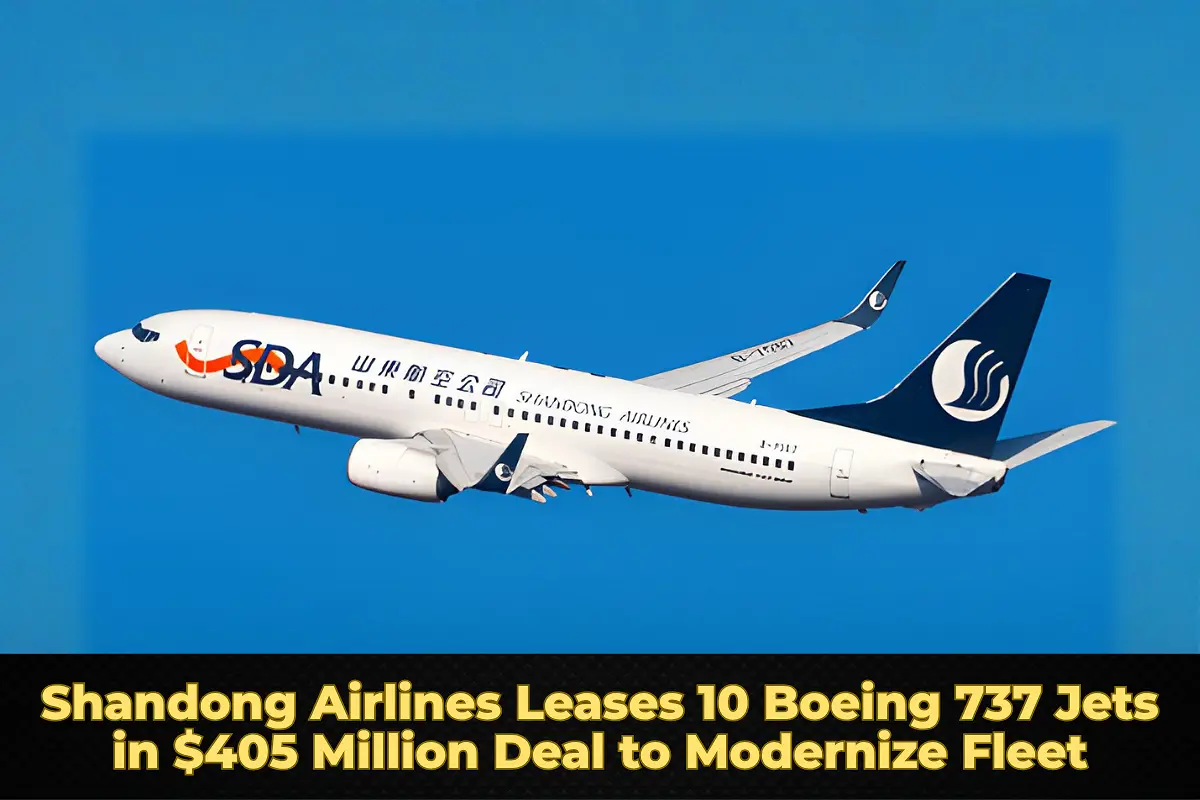
Shandong Airlines has signed a $405 million agreement to lease 10 Boeing 737 aircraft in 2026, marking a significant step in the Chinese carrier’s efforts to modernize its fleet, improve operational efficiency, and strengthen its position in the domestic and regional aviation market. The deal reflects the airline’s strategy to enhance capacity while maintaining cost-effective operations amid growing travel demand in China.
The aircraft will be introduced progressively into the airline’s fleet, supporting both network expansion and the replacement of older, less fuel-efficient planes. The move comes as Chinese airlines continue to invest in fleet upgrades to meet rising passenger demand and comply with evolving efficiency and environmental standards.
Strategic Fleet Modernization
The leasing agreement underscores Shandong Airlines’ commitment to fleet modernization, a key priority for carriers seeking to remain competitive in a rapidly evolving aviation market. The addition of Boeing 737 aircraft is expected to provide improved fuel efficiency, lower maintenance costs, and enhanced reliability compared to older models.
Modern aircraft also offer better passenger comfort, with updated cabin features and improved onboard systems. These enhancements can play a role in attracting and retaining customers, particularly as competition intensifies among airlines operating within China and across Asia.
The decision to lease rather than purchase aircraft provides flexibility, allowing the airline to adjust capacity based on market conditions while managing capital expenditure more effectively.
Focus on Cost Efficiency and Flexibility
Leasing aircraft has become a common strategy among airlines seeking to balance growth with financial prudence. By opting for a leasing arrangement, Shandong Airlines can expand its fleet without the significant upfront costs associated with direct purchases.
This approach also enables the airline to maintain a more flexible fleet structure, with the ability to adapt to fluctuations in demand and evolving operational requirements. In a market characterized by rapid changes in passenger traffic and economic conditions, such flexibility is particularly valuable.
The $405 million deal highlights the scale of investment required to remain competitive in the aviation sector while managing financial risks effectively.
Strengthening Domestic and Regional Operations
The introduction of additional Boeing 737 aircraft is expected to support Shandong Airlines’ domestic network as well as its regional operations. The aircraft type is widely used for short- to medium-haul routes, making it well-suited for the airline’s operational profile.
China’s domestic aviation market continues to grow, driven by increasing demand for air travel, economic development, and expanding middle-class consumption. Airlines are responding by adding capacity and optimizing their networks to capture this demand.
Shandong Airlines’ fleet expansion is likely to enhance connectivity between major cities and regional destinations, contributing to broader economic and tourism development.
Industry Context and Market Trends
The deal comes amid a broader trend of fleet renewal and expansion across the global aviation industry. Airlines are increasingly focusing on fuel efficiency and sustainability, as rising fuel costs and environmental considerations become more prominent.
Modern aircraft such as the Boeing 737 offer improved fuel burn performance, helping airlines reduce operating costs and lower carbon emissions. These factors are critical in an industry facing both economic pressures and regulatory requirements related to environmental impact.
In China, airlines are also navigating a competitive landscape, with both state-owned and private carriers investing in new aircraft to strengthen their market positions.
Role of Aircraft Leasing Companies
Aircraft leasing companies play a central role in facilitating fleet expansion for airlines worldwide. By providing access to aircraft without requiring full ownership, leasing firms enable carriers to scale operations efficiently.
The Shandong Airlines agreement reflects the continued importance of leasing as a financing mechanism in aviation. Leasing arrangements can include various structures, such as operating leases and finance leases, each offering different benefits in terms of flexibility and cost management.
For airlines, partnerships with leasing companies are essential in executing fleet strategies and responding to market opportunities.
Operational and Environmental Benefits
The addition of newer Boeing 737 aircraft is expected to deliver operational benefits, including improved reliability and reduced downtime. Enhanced performance can contribute to better on-time performance and overall service quality.
From an environmental perspective, newer aircraft are typically more fuel-efficient and produce lower emissions compared to older models. This aligns with industry efforts to reduce the environmental footprint of aviation and meet sustainability targets.
Such improvements are increasingly important as airlines face growing scrutiny from regulators, investors, and passengers regarding environmental performance.
Competitive Positioning
By modernizing its fleet, Shandong Airlines aims to strengthen its competitive position within China’s aviation market. The ability to operate a modern, efficient fleet can provide advantages in terms of cost structure, operational performance, and customer experience.
As competition intensifies, airlines are seeking to differentiate themselves through service quality, network coverage, and operational efficiency. Fleet modernization is a key component of this strategy.
The new aircraft are expected to support the airline’s long-term growth objectives, enabling it to respond effectively to market demand and competitive pressures.
Future Outlook
Looking ahead, Shandong Airlines is likely to continue evaluating opportunities for fleet expansion and renewal as part of its broader strategic planning. The aviation market in China is expected to remain a key growth driver, with increasing passenger demand and ongoing infrastructure development.
The airline’s investment in new aircraft positions it to capitalize on these opportunities while maintaining operational efficiency. Continued focus on modernization and sustainability will be critical in shaping its future trajectory.
The successful integration of the leased aircraft into the fleet will be an important factor in achieving the intended benefits of the agreement.
Shandong Airlines has secured a $405 million lease for 10 Boeing 737 aircraft, with deliveries set to support fleet modernization and operational growth as the carrier strengthens its position in China’s aviation market.