Tunisair Targets 21 Aircraft Active Fleet by End-2026
Tunisair plans to expand its active fleet to 21 aircraft by the end of 2026 as part of efforts to stabilize operations and restore capacity.
 Jishan Khan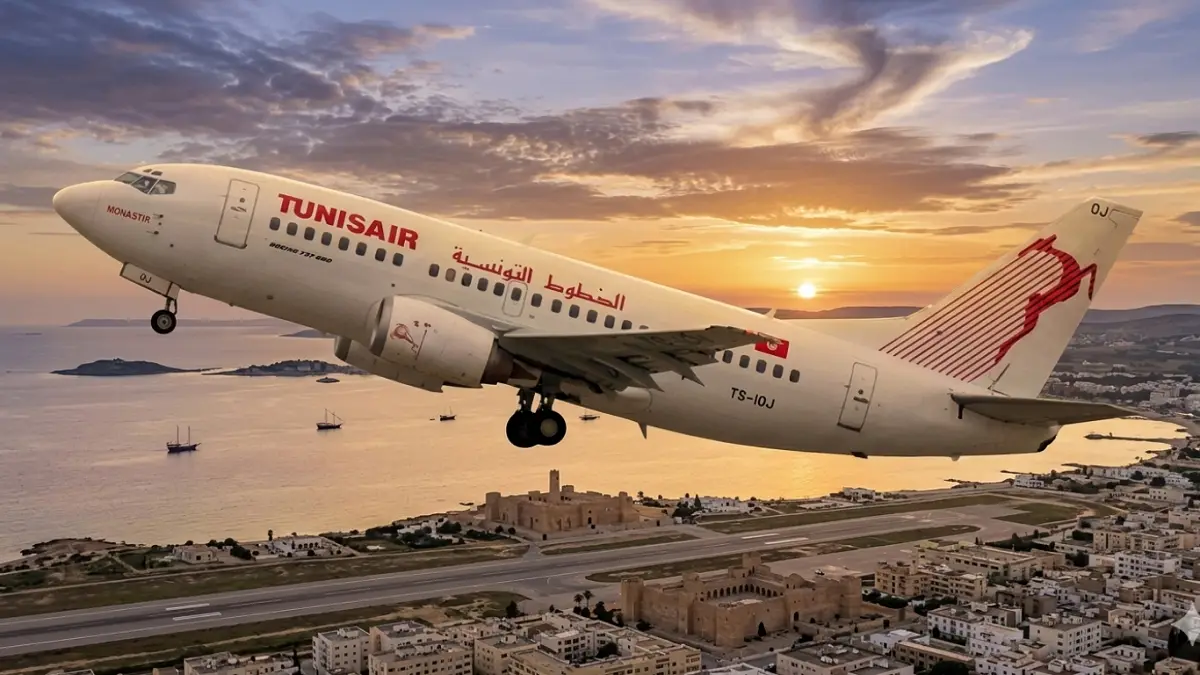
Tunisair is targeting an increase in its active fleet to 21 aircraft by the end of 2026, as the carrier moves to stabilize operations, restore capacity, and improve service reliability following a period of operational disruption and reduced fleet availability.
The planned fleet growth reflects a structured recovery strategy aimed at bringing grounded aircraft back into service while optimizing operational performance. The initiative is expected to support network restoration and improve schedule consistency across the airline’s domestic and international routes.
Fleet Expansion Plan
The airline’s objective to reach 21 active aircraft by year-end 2026 represents a significant step toward rebuilding its operational capacity. The plan focuses on reactivating existing aircraft rather than immediate large-scale acquisitions, indicating a phased approach to recovery.
In recent periods, Tunisair has faced constraints due to a limited number of operational aircraft, which has impacted flight schedules and network coverage. Increasing the number of active jets is expected to directly address these challenges by improving fleet availability.
The targeted figure of 21 aircraft highlights a measurable benchmark for the airline’s recovery timeline, providing a clear operational goal aligned with its broader restructuring efforts.
Operational Recovery Strategy
The fleet expansion is part of a wider operational recovery plan designed to enhance reliability and reduce disruptions. By increasing the number of serviceable aircraft, tunisair aims to strengthen its ability to maintain scheduled operations and manage unforeseen technical or logistical issues.
Restoring grounded aircraft to active service requires coordinated efforts across maintenance, engineering, and regulatory compliance functions. The airline’s strategy suggests a focus on improving technical readiness and ensuring that aircraft meet operational and safety requirements.
This approach is expected to improve on-time performance and reduce cancellations, key metrics that influence both passenger confidence and overall operational efficiency.
Capacity and Network Impact
An expanded active fleet will enable Tunisair to increase available seat capacity and potentially restore previously suspended routes. Greater aircraft availability provides flexibility in scheduling and allows the airline to better match capacity with passenger demand.
The move is particularly relevant for international routes, where consistent service is critical to maintaining market presence. By improving fleet utilization, the airline can enhance connectivity between Tunisia and key destinations across Europe, Africa, and the Middle East.
Increased capacity may also support revenue recovery, as the airline seeks to rebuild passenger volumes following periods of operational constraints.
Financial and Operational Context
Tunisair’s fleet challenges have been linked to broader financial and operational pressures, including maintenance backlogs and resource limitations. Addressing these issues is central to the airline’s ability to execute its fleet expansion plan.
The focus on reactivating aircraft rather than acquiring new units suggests a cost-conscious approach, prioritizing the efficient use of existing assets. This strategy allows the airline to improve capacity without incurring the significant capital expenditure associated with fleet acquisition.
At the same time, ensuring the long-term sustainability of the fleet will require continued investment in maintenance infrastructure and operational processes.
Industry and Regional Context
The planned expansion by tunisair reflects broader trends among airlines in North Africa and other emerging markets, where carriers are focusing on restoring operations and stabilizing performance following disruptions in recent years.
Fleet availability remains a critical factor in determining an airline’s ability to compete, particularly in regions where demand recovery is ongoing and operational resilience is essential. Airlines with higher active fleet ratios are better positioned to maintain consistent schedules and capture market opportunities.
For Tunisair, achieving its fleet target will be a key indicator of progress in its operational turnaround and its ability to meet passenger demand effectively.
Current Status
<:contentReference[oaicite:3]{index=3}> is working toward increasing its active fleet to 21 aircraft by the end of 2026, with efforts focused on reactivating grounded jets and improving operational readiness. The initiative remains ongoing, with further developments expected as the airline progresses toward its fleet restoration target.
The outcome of this plan will play a central role in shaping the airline’s operational performance and its position within the regional aviation market.