United Airlines Reinvents A321XLR Economy Plus With Shared Table
United Airlines will introduce Economy Plus seats with a shared table on its A321XLR fleet, giving passengers more space and comfort.
 Jishan Khan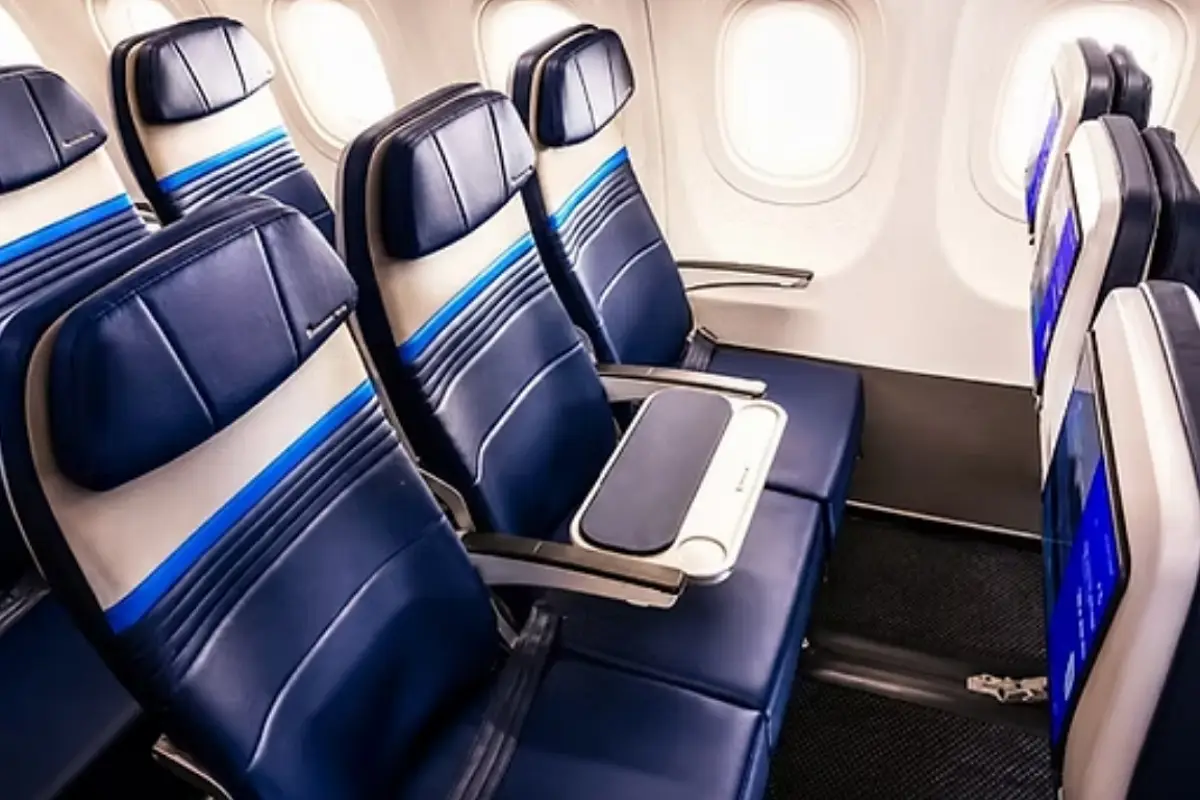
United Airlines Just Turned the Middle Seat Into a Feature, and It Could Change How Economy Passengers Book
United Airlines has announced a new Economy Plus configuration on its incoming Airbus A321XLR fleet where one row per aircraft features an open middle seat replaced by a permanent shared table stretching armrest to armrest, giving window and aisle seat passengers extra elbow room alongside the three additional inches of legroom already standard in Economy Plus. The product goes on sale later in 2026 across all 50 A321XLRs on order.
Removing the middle seat and calling it a premium product is not a new idea. Making it work commercially is the harder part, and United is betting it has found the formula.
What the Product Actually Is
Each A321XLR will have one dedicated row where the middle seat is replaced by a custom-designed table with a soft leather-like surface, two cup indentations, and coverage from armrest to armrest. Passengers in the window and aisle seats of that row get the table as shared usable space, effectively a desk and an elbow buffer on a narrowbody aircraft where those things are genuinely scarce. Combined with Economy Plus's existing legroom advantage, the row positions itself somewhere between standard Economy Plus and Premium Economy without requiring a full cabin rebuild.
United says it expects to be the only US airline offering this configuration, and it is already exploring rolling similar concepts onto other aircraft types beyond the XLR fleet.
The Aircraft Underneath the Seat
The A321XLR matters independently of the seat innovation. It replaces United's aging Boeing 757s on transatlantic routes and carries significantly more premium inventory, 32 premium seats versus 16 on the 757s it succeeds. Every seat gets a large OLED screen ranging from 13 inches in Economy to 19 inches in Polaris, Bluetooth connectivity, and access to larger overhead bins. The rear of the economy cabin includes a snack bar, a detail that sounds minor but matters on flights where economy passengers have historically had to leave their seats to access food and beverages.
United's first domestic A321XLR flights launch later this autumn, with international service beginning by early 2027. The aircraft has already received significant industry attention, British Airways and Iberia are the largest operators to date, but United's 50-aircraft order makes it one of the type's most commercially significant customers.
Why This Matters Beyond One Row
The product sits alongside United's recently announced Relax Row on its 787 and 777 widebodies, multiple seats that convert into a couch-like surface, available from early 2027. Both innovations target the same commercial insight: economy passengers on longer international routes are willing to pay for differentiated comfort if the product is specific and tangible, not just marketing language around slightly wider seats.
United generated USD 3.5 billion in ancillary revenue in 2024, with seat upgrades and premium economy products accounting for a growing share of that number. A dedicated table row with a genuine use case on transatlantic XLR flights is exactly the kind of specific, bookable product that converts a browsing economy passenger into a premium upsell. The middle seat has always been aviation's least desirable real estate. United just found a way to make it the point.