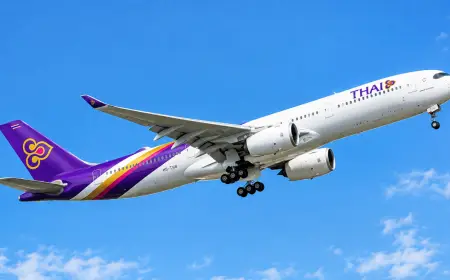
United Airlines Pulls Free Rebooking Offer After Memo Goes Viral
United Airlines scrapped a free rebooking policy after a memo on the renamed President Donald J. Trump International Airport spread online.
 Jishan Khan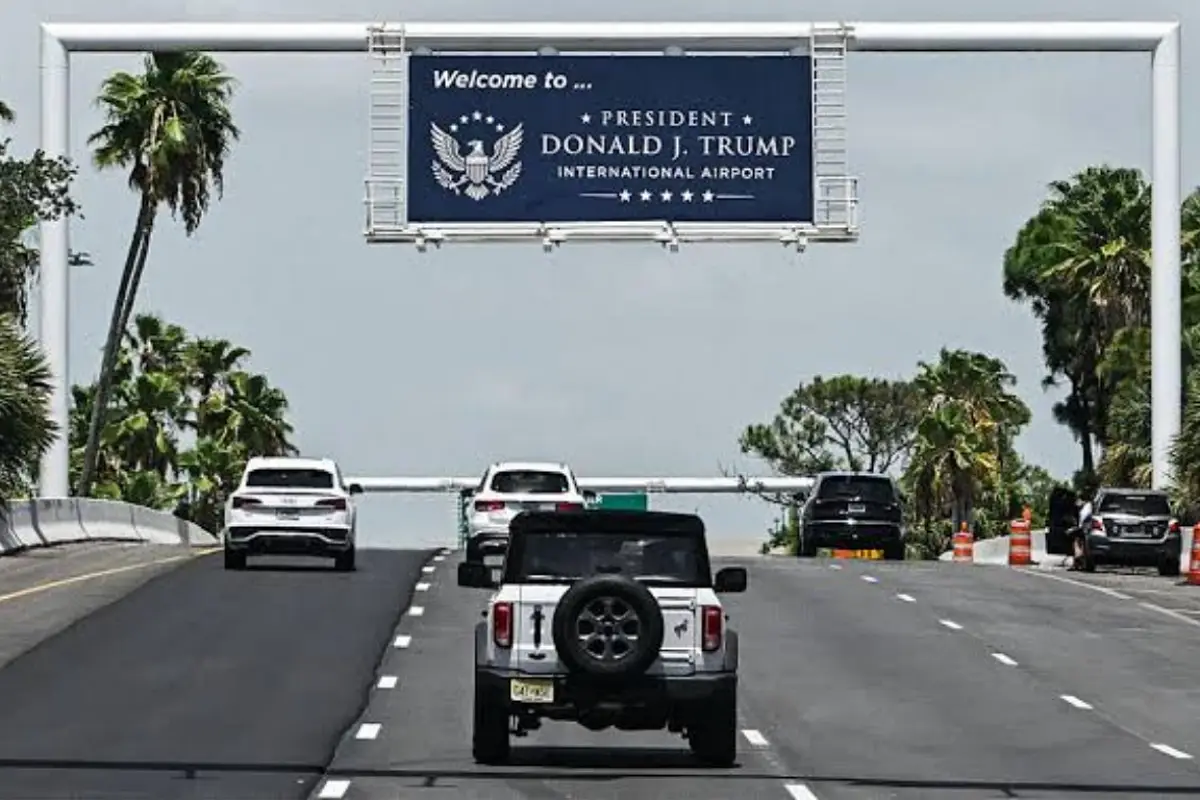
United Airlines Quietly Let Passengers Avoid the Trump Airport, Then Went Viral and Walked It Back
United Airlines issued an internal memo on July 8, 2026 authorising reservation agents to offer free rebooking to Fort Lauderdale or Miami for passengers who objected to flying into the newly renamed President Donald J. Trump International Airport, formerly Palm Beach International Airport. After the memo was obtained and published by travel blog Live and Let's Fly and went viral, United pulled the authorisation and described the memo as "poorly worded and not accurate."
The airline confirmed the memo was real. Then it confirmed its policy does not allow what the memo said it allowed. Both things cannot be true at the same time.
What the Memo Actually Said
The July 8 memo, titled "West Palm Beach, Florida Airport Name and Code Change," instructed agents: "If a customer does not want to fly to the airport, use your empowerment to offer acceptable alternatives such as Fort Lauderdale Airport or Miami International Airport." Agents were provided suggested language for handling such calls: "I understand that you'd rather not fly to this airport anymore. We can look at nearby airports like Fort Lauderdale or Miami instead."
The memo empowered agents to reaccommodate passengers into nearby Fort Lauderdale or Miami at no charge, even if the new itinerary was more expensive. That last detail is the operationally significant one, this was not a like-for-like exchange. United was prepared to absorb the cost difference.
The Reversal That Created More Questions Than It Answered
A United spokesperson told The Hill the memo was "poorly worded" and inaccurate, stating: "United customers are able to make changes to a ticket without a fee for many reasons. However, our policy doesn't allow for changes because of an airport's name or three-letter code."
The problem with that statement is straightforward. After the story went viral, United backtracked and pulled authorisation for agents to reaccommodate passengers at no charge who preferred to fly into Miami or Fort Lauderdale to avoid the renamed airport. You do not pull authorisation for something that was never authorised. The memo existed, the policy existed inside it, and it was retracted because of public attention, not because it was a drafting error.
Why This Is Genuinely Unprecedented
Airlines generally do not allow complimentary destination changes because a traveler objects to the person an airport was named after. That is not a policy gap, it is a deliberate commercial and political boundary that every major US carrier has maintained consistently. The moment an airline starts offering free changes for political objections, it has implicitly taken a side in a political dispute, alienated customers on the other side, and set a precedent it cannot easily walk back.
The airport's IATA code is changing from PBI to DJT on August 18, 2026, at which point passengers will begin seeing the new code across United's app, on the website, and at airports. Every booking made for West Palm Beach after that date will carry a three-letter reminder of the renaming in the itinerary. How airlines handle passenger complaints about that code, not just the name, is the longer-term question the United memo briefly, and accidentally, brought to the surface.
The airline tried to solve a political problem quietly. It created a bigger one publicly. The lesson, that there is no neutral ground when airports become political statements, is one every US carrier is now watching carefully.