Virgin Australia Returns to ASX After Five Years
Virgin Australia has completed its return to the ASX with a AUD 2.32 billion valuation, marking a remarkable turnaround five years after entering voluntary administration in 2020.
 Jishan Khan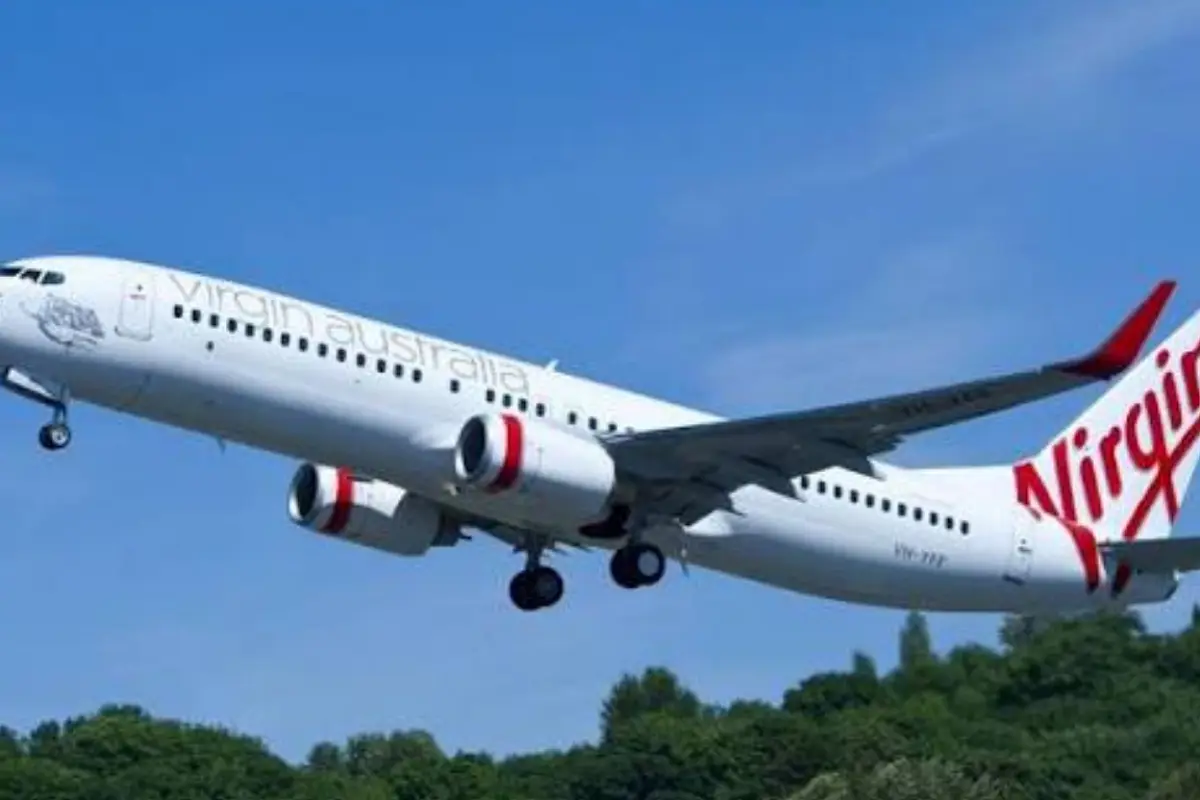
Virgin Australia Went Bankrupt in 2020, Five Years Later It Is Worth AUD 2.32 Billion and Back on the Stock Exchange
Virgin Australia completed its ASX relisting in June 2025, raising AUD 685 million through an IPO that valued the airline at AUD 2.32 billion. The carrier that entered voluntary administration in April 2020 with AUD 5 billion in debt posted AUD 5.8 billion in total group revenue for FY25 and a pro forma underlying net profit of AUD 331 million — its strongest operating performance in over a decade.
Five years from collapse to stock exchange. The rebuild was not accidental.
How Bad It Actually Got
On April 21, 2020, Virgin Australia became the largest corporate collapse in Australian history. The airline owed AUD 5 billion to creditors, had been grounded by the pandemic, and had just been turned down by the federal government for a AUD 1.4 billion emergency loan after Qantas lobbied successfully against it on competition grounds. Richard Branson's Virgin Group retained a 5% stake but had no capital to inject. Deloitte was appointed administrator with over 10 parties immediately circling the wreckage.
What made Virgin's situation more complex than a simple pandemic casualty was that the debt predated COVID entirely. The airline had not posted an annual profit in eleven years before administration, the pandemic simply removed the revenue that had been masking a structural problem that stretched back to its failed attempt to compete with Qantas as a full-service carrier with a cost base it could never afford.
What Bain Capital Actually Did
Bain Capital acquired Virgin Australia for AUD 3.5 billion in November 2020, and the restructuring that followed was surgical rather than sentimental. The airline shed its widebody international fleet entirely, ending the long-haul routes to the US and Europe that had been bleeding money for years, and narrowed its focus exclusively to narrowbody domestic and short-haul international flying on Boeing 737s. Staff numbers were cut from 10,000 to approximately 6,000 at the restructured entity. The Tigerair Australia low-cost subsidiary was closed completely.
The positioning pivot was equally deliberate. Rather than chasing Qantas at the premium end or competing with Jetstar on price, Virgin targeted the middle market, business travellers who wanted more than a budget carrier but did not need or want to pay Qantas full-service prices. The Velocity frequent flyer programme became the financial anchor of the strategy, posting a 23% operating margin compared to 7% for the airline operations, a loyalty business generating premium returns attached to a leaner airline underneath it.
The Numbers That Tell the Comeback Story
The trajectory from 2020 to 2025 is one of the cleaner airline turnarounds on record. FY24 delivered EBIT of AUD 519 million. FY25 added AUD 5.8 billion in revenue with 27.8% year-on-year growth in underlying profit. Virgin's domestic passenger market share hit 34.4% in 2025, not Qantas territory, but a stable, defended position that reflects a carrier that has found its lane and is operating it profitably. The IPO in June 2025 reduced Bain Capital's stake to 39.4%, returned the airline to public markets, and gave institutional investors a way back into Australian aviation without having to bet exclusively on Qantas.
Velocity now has 11.5 million members. The airline operates 102 aircraft with Boeing 737 MAX deliveries arriving to replace the older 737NG fleet. Partnerships with Qatar Airways, United and ANA extended the international reach that Virgin lost when it abandoned widebody flying, without the capital cost of maintaining those routes itself.
The Challenge That Has Not Gone Away
Qantas remains the dominant force in Australian aviation with a domestic market share that consistently runs above 60%, a frequent flyer programme with deeper corporate penetration, and international connectivity that Virgin can only approximate through codeshares. The fuel cost shock from the Iran conflict has added pressure that arrives just as the airline is trying to demonstrate its public market credentials to new shareholders.
The structural question Virgin Australia answered between 2020 and 2025 was whether a medium-sized Australian airline could find a profitable identity that was not just a cheaper version of Qantas. The answer, so far, is yes. Whether it can defend that identity against a Qantas that has spent the past five years improving its own domestic product is the question the next five years will settle.