India GST Hotels: EY Flags Impact of GST Cut on Pricing
India GST hotels proposal cuts tax on rooms above ₹7,500 from 18% to 9%, aiming to boost global competitiveness and inbound tourism demand, says EY India.
 nishathapa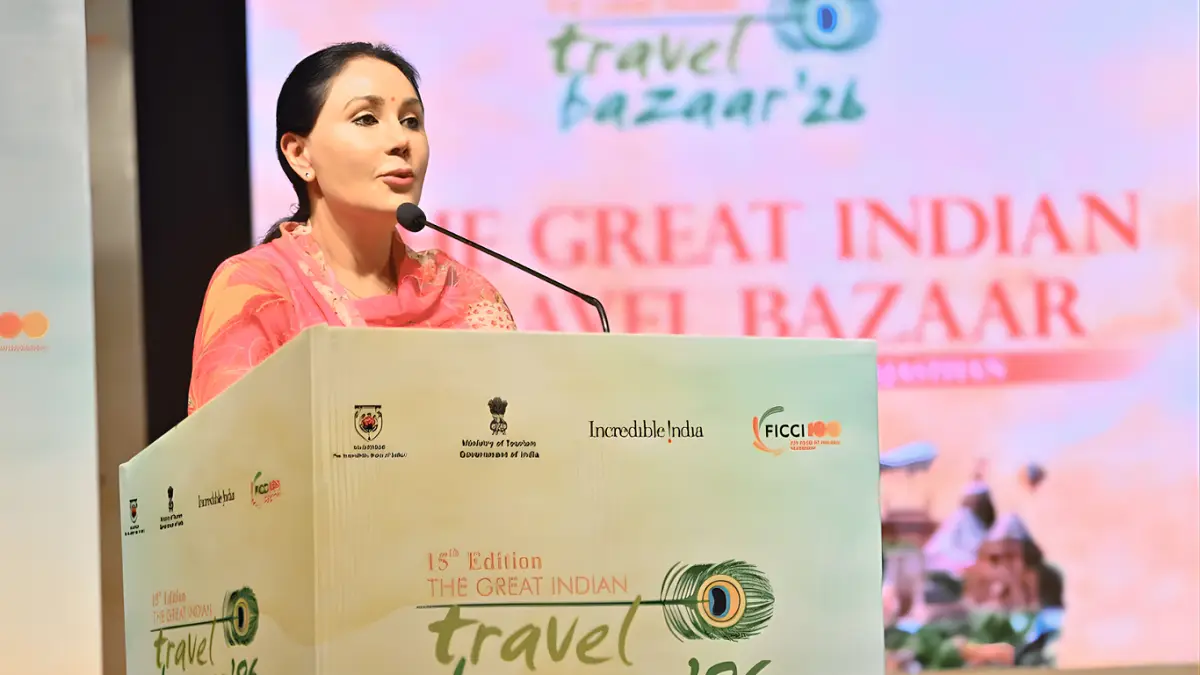
New Delhi, April 28, 2026: A proposed revision in India’s Goods and Services Tax (GST) structure for hotel accommodations could significantly impact the country’s global tourism competitiveness, with Ernst & Young LLP (EY India) recommending a reduction in the highest tax slab from 18% to 9% for room tariffs above ₹7,500.
The recommendation, unveiled at the Global India Tourism Bazaar 2026 held from April 26–28, seeks to address pricing concerns that industry stakeholders say are limiting India’s appeal compared to competing destinations such as Thailand and Vietnam.
Proposed GST Revision Targets High-Tariff Segment
Under the current tax structure, hotel rooms priced between ₹1,000 and ₹7,500 attract a 5% GST, while tariffs above ₹7,500 are taxed at 18%. EY India has proposed halving the higher slab to 9% while retaining the existing 5% rate for mid-range accommodations.
The report states that the higher tax burden on premium rooms affects overall cost perception, particularly among international travellers. By reducing the rate, the proposal aims to improve affordability across segments and bring India’s pricing closer to global benchmarks.
The suggested revision is positioned as a targeted intervention to enhance value perception without altering the broader tax framework for budget and mid-scale hotels.
Pricing Challenges Impact Inbound Tourism Growth
The report highlights that India’s tourism sector faces a pricing disadvantage driven by accommodation costs, transportation expenses, and taxation levels. These factors contribute to the perception of India as a relatively expensive destination despite its diverse offerings.
Foreign tourist arrivals stood at approximately 9.9 million in 2024, a figure considered modest when compared to competing international markets. This gap persists despite strong domestic demand and a rapidly expanding hospitality sector.
Tourism currently contributes around ₹21 trillion to India’s GDP and supports more than 46 million jobs, underscoring its economic significance. However, the report notes that sustained growth in inbound tourism is critical to fully leverage this potential.
Structural Gaps Beyond Taxation Identified
In addition to pricing concerns, the report identifies several structural challenges affecting India’s global positioning. These include fragmented state-level branding efforts, limited international marketing outreach, and a lack of cohesive experience-led tourism packaging.
Operational barriers such as connectivity gaps and visa processes also continue to affect ease of travel, further limiting inbound visitor growth. The report suggests that addressing these issues alongside tax reforms is essential for long-term competitiveness.
It emphasizes the need for a coordinated approach that integrates policy, infrastructure, and marketing to create a more unified tourism ecosystem.
Shift Towards Experience-Driven Tourism
The report outlines a transition in India’s tourism landscape towards experience-led travel, with segments such as sports tourism, culinary experiences, spiritual wellness, wildlife, and event-driven travel gaining prominence.
India’s live entertainment sector, valued at over ₹12,000 crore in 2024, is projected to grow at a compound annual growth rate of 19% over three years, positioning events and festivals as key drivers of inbound tourism.
Changing traveller demographics are also influencing demand patterns. The rise of Gen Z travellers, solo travellers, and women travellers is reshaping expectations, with a greater emphasis on personalized and immersive experiences.
Technology is playing a central role in this transformation, with digital platforms and artificial intelligence influencing travel discovery, planning, and engagement.
Roadmap for ‘Incredible India 4.0’
The GST proposal forms part of a broader strategic framework outlined in the joint EY India and FICCI report titled “Reimagining Inbound Tourism in India: Trends, Technology & Transformational Opportunities – Towards Incredible India 4.0.”
The report advocates a shift from a fragmented, destination-based approach to a unified, experience-driven model. It identifies six key focus areas: branding, pricing, experience design, infrastructure development, policy alignment, and technology integration.
India’s hospitality sector is also witnessing significant supply expansion, with a pipeline exceeding 1,00,000 rooms. The report notes that aligning this supply growth with international demand will be critical to maintaining long-term sustainability.
Looking ahead, international visitor spending is projected to grow at 5.5% annually, reaching approximately US$ 2.95 trillion by 2034. Capturing a larger share of this market will depend on India’s ability to address cost competitiveness and enhance overall travel experience.
The proposed GST restructuring is positioned as a key step in this direction, aimed at strengthening India’s value proposition and improving its standing in the global tourism landscape.