Bangkok Restaurant Allegedly Refuses Baht, Demands Chinese Yuan
Bangkok restaurant refuses Thai baht, demands renminbi payment in viral TikTok claim. Thai authorities inspect Huai Khwang district. Read the full story.
 Prajakta Sanjay Warwadkar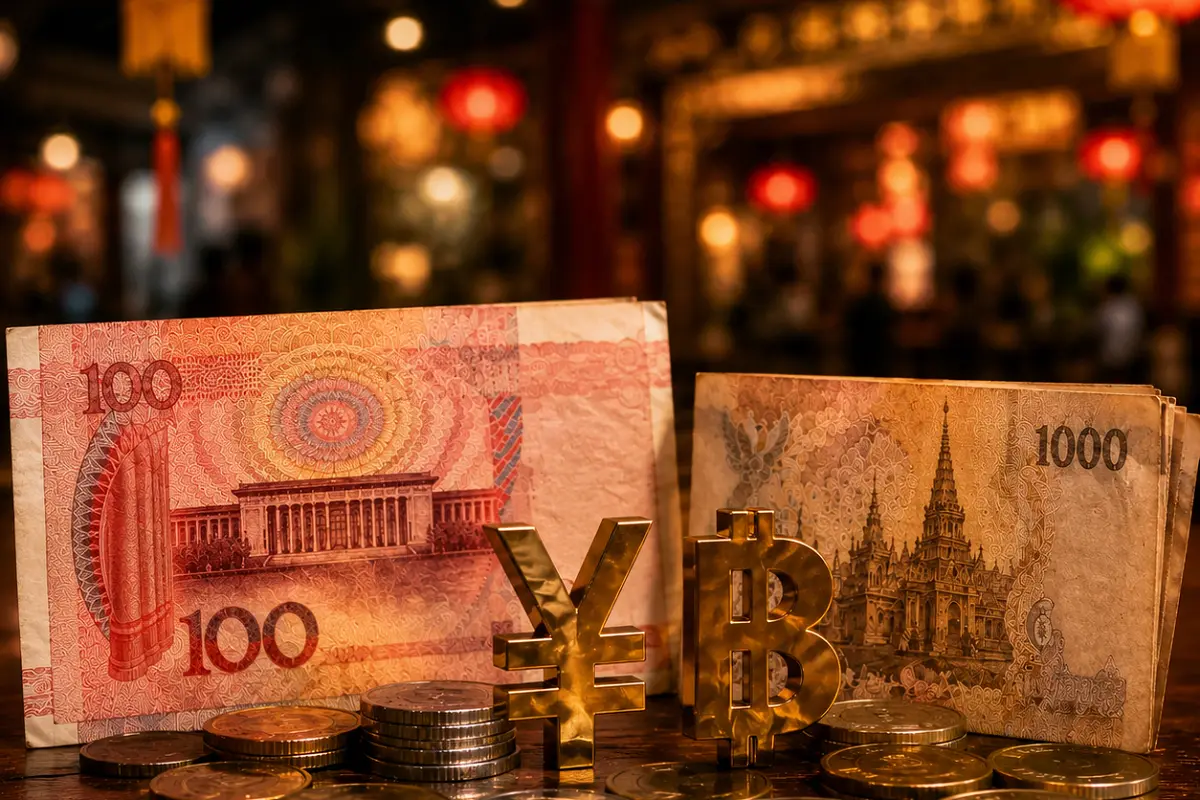
BANGKOK, June 5, 2026 — A Chinese restaurant in Bangkok's Huai Khwang district has come under scrutiny after a viral TikTok video alleged the establishment refused to accept Thai baht and required customers to pay in Chinese renminbi, raising questions about payment compliance, tax obligations and the Foreign Business Act among Thai authorities and industry representatives. The incident has prompted district officers to conduct inspections across the restaurant-lined stretch of Pracha Rat Bamphen Road, an area increasingly referred to as Bangkok's next Chinatown.
The Bangkok restaurant refuses baht controversy emerged from a video posted by a Chinese national living in Thailand, identified by the TikTok account name JaideeBing and Bao. His account of the experience quickly drew widespread reaction online and set off a broader debate over whether some foreign-run food businesses in Thailand are operating outside the country's official financial system.
Bangkok Restaurant Refuses Baht: What the TikTok Clip Alleged
The TikTok user said he had finished a meal at a noodle shop in the Huai Khwang area and attempted to settle his bill using Thailand's QR payment system. Staff at the restaurant told him the shop did not have a Thai bank account and did not accept Thai QR-code payments, he said. The restaurant accepted only Chinese yuan and Chinese payment platforms, including WeChat Pay.
The customer said the bill increased from 325 baht to 375 baht a rise of 50 baht after he was required to pay in Chinese currency, working out to approximately US$1.55 in additional charges.
"This restaurant only accepts yuan. I'm confused. Can they really do this?"
— JaideeBing and Bao, TikTok user and Chinese resident of Thailand
The man, who said he has lived in Thailand for many years, criticized the practice in the video and urged Chinese-owned businesses operating in the country to follow Thai laws and tax regulations. He also questioned whether restaurant staff had assumed he was unfamiliar with Thai rules because he is Chinese.
Thai Authorities Inspect Huai Khwang District Over Payment Concerns
District officers moved quickly in response to the video. Sombat Kruakeeratitham, the Huai Khwang district chief, confirmed that inspectors were checking restaurants along both sides of Pracha Rat Bamphen Road to verify payment practices comply with the law. Authorities said they had received no such complaints before the video surfaced.
District officials said they regularly meet with 79 legally registered restaurants in the area to discuss operating guidelines. In response to the incident, authorities announced plans to introduce certification stickers for each participating store confirming that the business accepts payments in Thai baht.
The Bangkok Post reported the sticker scheme is intended to build consumer confidence in the area, where a large concentration of Chinese-owned businesses has developed in recent years alongside a growing Chinese resident population.
Thai Laws That Could Apply If Allegations Are Proven
Legal analysts and industry figures cited several areas of Thai law potentially relevant to the alleged conduct. Under the Exchange Control Act, carrying out foreign-currency transactions or cross-border transfers without proper authorisation from the Bank of Thailand could constitute a violation. The Payment Systems Act may also apply if a business uses an unlicensed payment channel not approved by the central bank.
If income is kept outside the Thai tax system, businesses could face scrutiny under Thailand's VAT and income tax frameworks. There are also potential concerns under the Foreign Business Act if Thai nominees hold shares on behalf of foreign owners — an offence that can carry a jail term of up to three years.
Anti-money laundering authorities could also take interest if payment routes are structured to move funds directly to China without passing through Thailand's banking and tax systems, observers noted. No arrests or formal charges had been announced as of publication.
Industry Body Calls for Verification and Decisive Action
Thanapol Cheewarattanaporn, president of the Association of Thai Travel Agents, urged government agencies to first verify whether the incident occurred as described before drawing conclusions. He said officials should determine whether the clip reflected a genuine violation, a misunderstanding between the buyer and seller, or content produced to generate online attention.
"If the allegation is proven true, the authorities must take decisive legal action to uphold trading standards and protect Thailand's monetary sovereignty,"
— Thanapol Cheewarattanaporn, President, Association of Thai Travel Agents (ATTA)
Thanapol said businesses operating in Thailand should be fully integrated into the Thai banking system, using platforms such as PromptPay or accounts with Thai banks including Kasikornbank or Bangkok Bank, so that all financial flows can be properly verified. He warned that relying solely on foreign payment applications could create longer-term risks for the Thai economy.
He also called on the Bangkok Metropolitan Administration to examine whether businesses in Huai Khwang are operating correctly, and urged the Public Health Ministry to inspect hygiene standards at food establishments in the area. Food and Drug Administration approval for products sold at restaurants in the district should also be confirmed, he said, to prevent substandard or illegally imported goods from reaching consumers.
Broader Questions on Foreign Restaurant Operations in Thailand
The incident adds to ongoing scrutiny of foreign-owned and foreign-operated hospitality businesses in Thailand, particularly in districts with high concentrations of Chinese residents and tourists. Bangkok Post reporting on the district inspections noted that Huai Khwang has become a focal point for concerns about payment transparency and tax compliance among foreign businesses.
For context on the regulatory environment shaping restaurant operations across Southeast Asia, BBC Good Food provides broader coverage of the evolving standards governing food service businesses in the region. Thailand's hospitality sector, which hosted millions of Chinese tourists in 2025, continues to navigate tensions between accommodating international business practices and enforcing domestic financial and licensing law.
The Huai Khwang district inspections were ongoing as of publication, and authorities had not confirmed the identity or location of the specific restaurant named in the original video.
More information about Indian cuisine and its regional diversity can be explored through Indian cuisine history and traditions.
Businesses monitoring hospitality expansion trends can also explore restaurant industry growth trends for 2026 to understand how regional food concepts are shaping dining markets.