Practical Tray Service Techniques Training for Restaurant SOP
Learn practical tray service techniques training with SOP, service sequence, and professional standards for restaurant and hotel operations.
 Jyoti Kushwaha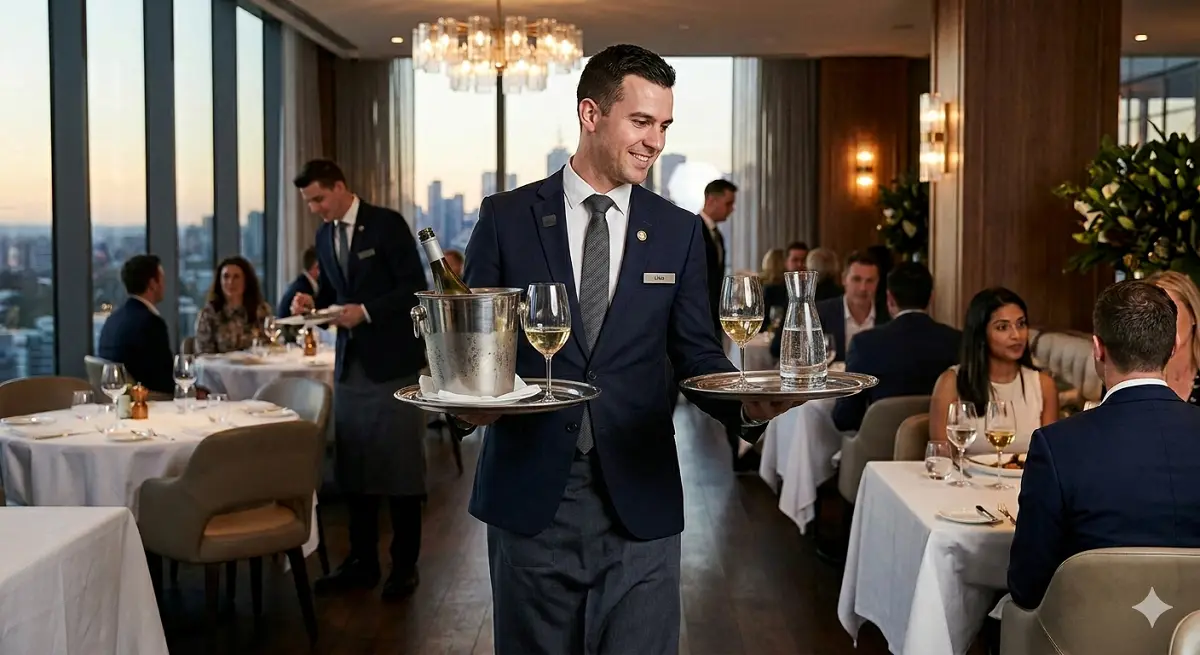
The latest feedback from the pass suggests one thing if your tray work is weak, service falls apart fast. Spills, delays, guest irritation. It all starts here. This tray service techniques training module is designed for food and beverage service staff in restaurants and hotels. It focuses on SOP-based tray handling, service flow, and guest interaction standards. Tray service is a fundamental operational skill that directly impacts service speed, safety, and overall guest experience in high-volume hospitality environments.
Overview of Tray Service Techniques Training in Restaurant Operations
Tray service techniques training is core to smooth floor operations. It’s about carrying, balancing, and serving food and beverages with control. No shaking hands. No messy drops.
You’ll use this everywhere restaurants, cafés, banquets, room service.
Done right, tray handling cuts service friction. You move more items in one trip, reduce back-and-forth, and keep the floor flowing during peak hours.
It’s not just carrying it’s posture, balance, and awareness. You need to read the floor while moving.
Strong tray work keeps service fast, clean, and professional. Weak tray work slows everything down.
This training locks in the right handling methods, service flow, and safety steps needed on the floor.
SOP Procedure for Tray Service Techniques Training
The tray service SOP keeps your movement controlled, safe, and consistent every shift.
1. Pre-Service Preparation
Get into briefing. Know the expected guest flow. Check trays clean, dry, no cracks. Keep service cloths and tray stands ready.
2. Tray Setup
Load smart. Heavy items in the center, lighter items around. Balance is everything.
Don’t overcrowd. One bad load = one bad spill.
3. Lifting the Tray
Lift with both hands first. Then shift to your non-dominant hand.
Hold at shoulder or waist level depending on weight.
4. Carrying the Tray
Walk straight. No leaning. No sudden turns.
Check your path before moving. Don’t weave through blindly.
5. Guest Approach
Step in clean. Don’t disturb the table’s vibe.
Use a tray stand for large orders—don’t struggle mid-service.
6. Serving Items
Serve with your right hand. Follow correct service side.
Stay controlled. No clattering. No spills.
7. Clearing Using Tray
Clear smart. Stack with balance.
One wrong stack and the whole tray shifts.
8. Post-Service Handling
Back to the station. Clean the tray. Store it properly.
Reset for the next round.
Operational Service Sequence and Tray Handling Flow
This is your movement pattern on the floor. Keep it tight.
Step-by-Step Service Flow:
- Prepare and inspect tray before service
- Arrange items with proper weight distribution
- Lift tray using correct technique
- Carry tray with balanced posture
- Approach guest table carefully
- Place tray on stand if required
- Serve items systematically
- Monitor guest needs during service
- Use tray for clearing items
- Return tray to service area after use
Service Timing Benchmarks:
• Tray setup: within 1–2 minutes
• Beverage service delivery: within 3 minutes
• Food delivery using tray: within 5–10 minutes
• Table clearance using tray: within 2–3 minutes
Hit these timings. But don’t rush and lose control.
Guest Interaction and Service Techniques
You’re not just carrying you’re still in service mode.
Communication Standards:
• Greet guests before serving
• Announce items as you place them
• Maintain eye contact and posture
• Respond fast to requests
Tray Handling Techniques:
• Always carry on non-dominant hand
• Keep wrist straight this is your balance control
• Use fingers to stabilize edges
• Don’t overload beyond capacity
• Use tray stand for heavy loads
Service Techniques:
• Beverages first, then food
• Don’t reach across guests
• Keep movements quiet and smooth
• Place items correctly no guesswork
Do’s and Don’ts:
Do’s:
• Stay balanced at all times
• Keep tray clean and organized
• Stay aware of your surroundings
Don’ts:
• Don’t overload trays
• Don’t tilt while serving
• Don’t rush or jerk movements
Pro tip: If your tray starts shaking, slow down don’t fight it mid-air.
Tools and Equipment for Tray Service
Your tools support your control. Use them right.
Primary Equipment:
• Service trays (round or rectangular)
• Non-slip tray mats
• Tray stands (foldable)
• Service cloths
Support Equipment:
• Beverage glasses and crockery
• Plates and cutlery
• Side stations for tray setup
• Cleaning cloths
Handling Guidelines:
• Use non-slip mats to stop movement
• Keep tray dry before loading
• Check trays regularly for damage
• Clean and sanitize after every use
Simple rule: clean tray, controlled service.
Service Standards and Performance Metrics
This is the baseline. No negotiation.
Key Performance Metrics:
• Service accuracy: 100%
• Spill-free service rate: above 95%
• Service timing adherence: above 90%
• Guest satisfaction score: above 90%
• Hygiene compliance: 100%
If trays are spilling, these numbers drop instantly.
Evaluation and Continuous Improvement
Tray work improves only with repetition. No shortcuts.
Evaluation Methods:
• Supervisor observation during service
• Practical tray handling assessments
• Guest feedback and service reviews
• Service timing analysis
• Regular training sessions
Common issues? Poor balance, overloaded trays, rushed movement.
Fix them with practice, discipline, and sticking to SOP.
Tray service is a basic skill but it separates average staff from strong floor operators. When your tray control is tight, service flows. When it’s not, everything slows down.
Read more about Guest Handling Training here