IndiGo Responds After Passenger Alleges Rs 400 Poha Price Difference for Cash and Card Payments
IndiGo has responded after a passenger alleged being charged Rs 400 in cash and Rs 450 via card for poha onboard, sparking debate over airline pricing practices.
 Jishan Khan
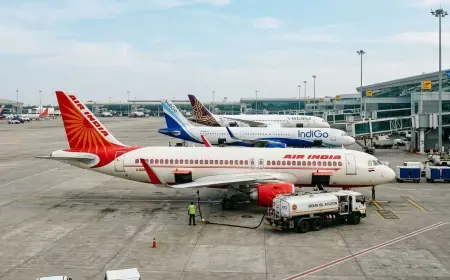
Indian low-cost carrier IndiGo has responded after a passenger alleged being charged Rs 400 in cash and Rs 450 via card for a serving of poha onboard a flight, raising concerns about pricing transparency and payment practices. The incident, which reportedly took place in 2026 on a domestic route in India, gained attention after the passenger shared the claim online, prompting a response from the airline.
The passenger claimed that the same food item carried different prices depending on the payment method, sparking debate among travelers about fairness and consistency in inflight pricing. IndiGo acknowledged the concern and clarified its pricing policy, stating that there is no intentional discrepancy in pricing based on payment modes.
Passenger Claim Sparks Online Debate
The issue came to light after the passenger alleged that they were quoted Rs 400 for poha when paying in cash, but Rs 450 when opting for a card payment. The claim quickly circulated on social media platforms, drawing reactions from frequent flyers and aviation observers.
Many users questioned whether airlines apply additional charges for card transactions or if the discrepancy was due to miscommunication or operational error. The incident has reignited discussions around pricing clarity in the airline industry, particularly for ancillary services such as onboard meals.
Passengers increasingly expect transparent pricing, especially as airlines continue to expand ancillary revenue streams through food, baggage, and seat selection fees.
IndiGo’s Response to the Allegation
In response to the claim, IndiGo stated that its onboard menu prices are standardized and do not vary based on payment method. The airline emphasized that it does not impose additional charges specifically for card payments.
The carrier suggested that the discrepancy may have arisen due to a misunderstanding, operational oversight, or possible confusion regarding bundled offerings or promotional pricing. IndiGo added that it is reviewing the matter internally to ensure adherence to its pricing policies.
The airline also reiterated its commitment to providing a consistent and transparent customer experience, including clear communication of onboard pricing.
Understanding Inflight Pricing Structures
Airlines, particularly low-cost carriers, rely heavily on ancillary revenue streams, including food and beverage sales, to supplement ticket income. Inflight meal pricing is typically standardized and listed in onboard menus, which are expected to be consistent regardless of payment mode.
However, variations can sometimes occur due to factors such as bundled meal deals, dynamic pricing strategies, or operational inconsistencies. In some cases, payment processing fees or rounding adjustments may create minor differences, although airlines generally avoid applying such variations directly to passengers.
Industry experts note that any perceived discrepancy in pricing can quickly erode customer trust, making transparency a critical component of ancillary service offerings.
Role of Digital Payments in Aviation
The aviation industry has increasingly adopted digital payment methods, including credit and debit cards, mobile wallets, and contactless payments, to enhance convenience and reduce reliance on cash transactions. This shift has been accelerated by broader trends in digitalization and hygiene considerations.
While digital payments offer efficiency and security, they also require robust systems to ensure accurate pricing and seamless transactions. Airlines must ensure that onboard payment systems are synchronized with pricing databases to avoid discrepancies.
Any inconsistency between payment modes can lead to confusion and dissatisfaction among passengers, particularly in a highly competitive market.
Passenger Expectations and Transparency
Passengers today expect clear and consistent pricing across all services, including onboard purchases. Transparency in pricing is not only a regulatory requirement in many jurisdictions but also a key factor influencing customer satisfaction and brand perception.
Airlines are increasingly focusing on improving communication with passengers, including displaying detailed menus, providing digital receipts, and ensuring that cabin crew are well-informed about pricing policies.
Incidents such as this highlight the importance of maintaining clear and consistent pricing practices to avoid misunderstandings and maintain passenger trust.
Regulatory and Consumer Protection Aspects
In India, consumer protection laws require businesses, including airlines, to provide transparent pricing and avoid misleading practices. Any discrepancy in pricing, particularly if it appears to be linked to payment methods, could attract scrutiny from regulators or consumer rights groups.
While there is no indication of regulatory action in this case, such incidents often prompt airlines to review their practices and reinforce compliance measures. Clear documentation and communication of pricing policies are essential to avoid potential disputes.
Authorities may also encourage the adoption of standardized practices across the industry to ensure consistency and fairness for passengers.
Impact on Airline Brand Perception
Even isolated incidents can have a broader impact on an airline’s reputation, particularly in the age of social media where information spreads rapidly. Passenger experiences, whether positive or negative, can influence public perception and travel decisions.
For IndiGo, which is one of India’s largest airlines, maintaining a strong reputation for reliability and transparency is critical. The airline’s prompt response to the allegation reflects an effort to address concerns and reassure customers.
Industry analysts note that effective communication and swift resolution of such issues can help mitigate reputational risks.
Broader Industry Context
The incident comes at a time when airlines globally are under pressure to balance rising operational costs with competitive pricing. Ancillary revenue, including onboard sales, plays a crucial role in maintaining profitability, particularly for low-cost carriers.
As airlines continue to innovate in pricing and service offerings, ensuring clarity and consistency remains essential. The growing use of technology in inflight services also underscores the need for reliable systems and processes.
Passengers are likely to remain vigilant about pricing practices, making transparency a key differentiator in the market.
Current Status
IndiGo has denied any pricing difference based on payment method and is reviewing the reported incident, maintaining that its onboard pricing remains standardized and consistent across transactions.