Foodtech Startup Fambo raises pre-series to fund capacity expansion
 Abhishek Mukherjee
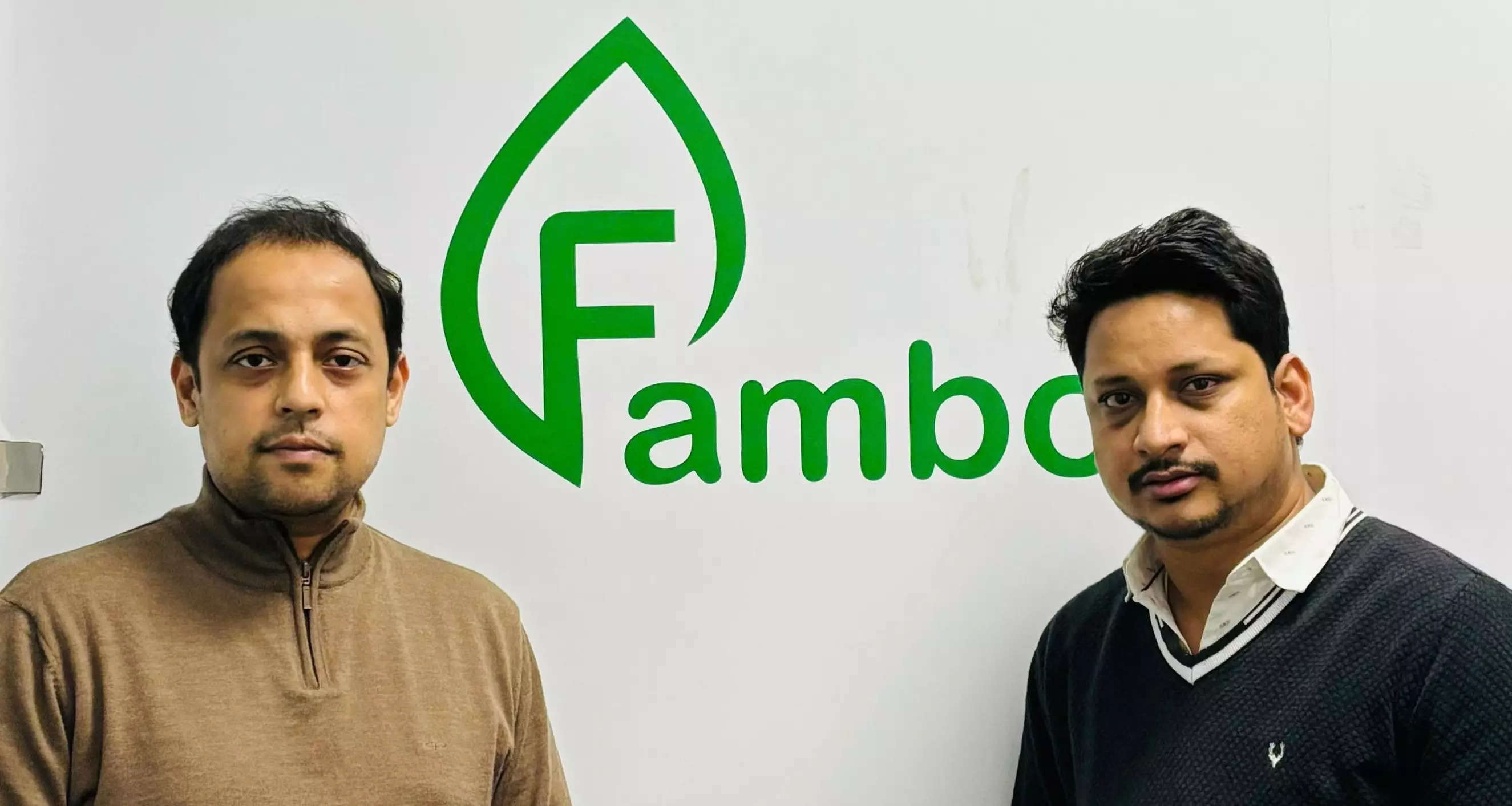
The company connects farmers with the HoReCa customers and helps the food service industry in better menu management, vendor management, ease the cooking processes, reduce food wastage and ultimately deliver food in a standardised fashion with consistency. It has brought together over 3500 farmers and 75 acres of GAP-certified farms and many farm produce organisations (FPOs) to its network in the last three years have also onboarded over 500 restaurants into its network.
Speaking to ETHospitalityWorld, Tripathi said that the focus at Fambo is not just to provide fresh produce to the food service industry but to offer semi-processed food solutions with long shelf life to help them enhance the dining experiences of the customers all the time consistently in a sustainable manner.He said that while there are multiple marketplace platforms which supply general ingredients on demand to the food service operators, there aren’t any which provide custom products which can really ease the process in a commercial kitchen.
“We align farmers and make them grow specific varieties which are traceable and certified. We take it to the microprocessing centre which acts as a cloud commissary where the farm produce is further cut, diced or processed as per the requirement of the customers,” he said.
Tripathi said that in a market where gig workers do not stay for a long time with restaurants, achieving consistency in the processing is a big challenge, adding, “We help the restaurants reduce the kitchen processing time.”Drawing a parallel between the automobile industry and the food service industry, Tripathi said that while the food service industry is also moving in the same direction of the automobile industry in terms of evolution, there are still a lot of blanks to be filled when it comes to supply chain management because of the prevalence of large unorganised players.
“We try to take care of that and resolve the anxiety issues that operators are facing today,” he said.
With a lot of new age entrepreneurs coming into the business and a lot of family businesses seeing generational change, Tripathi believes that the food service industry also aspires for standardisation at all levels of business operations.“We approached the foodservice industry from the lens of the supply chain, eliminating waste at every step and transforming inefficiencies into value for customers and farmers. Our micro-processing center combines minimal space and high throughput to deliver innovative products that save time, reduce costs, and ensure quality,” he said.
The company currently has a micro processing centre in Noida which provides innovative value-added products such as pre-cut vegetables, sauces, gravies, frozen goods, and fried items. These products enable restaurants to introduce new menu items, save on costs by shortening preparation time, reduce manpower in kitchens, maintain consistency and quality across outlets, and minimise waste.
As per a statement by the company, it has generated a revenue of INR 18 crore in the calendar year 2024, having turned profitable in Q3 FY 2024-25. It is also planning R&D in collaboration with Indian and international universities to develop new food categories and cater to more customers.