Restaurant Table Setup Training: SOP & Service Standards in 2026
Learn restaurant table setup training with SOP, service sequence, table setting standards, and professional practices for hotel and restaurant operations.
 Jyoti Kushwaha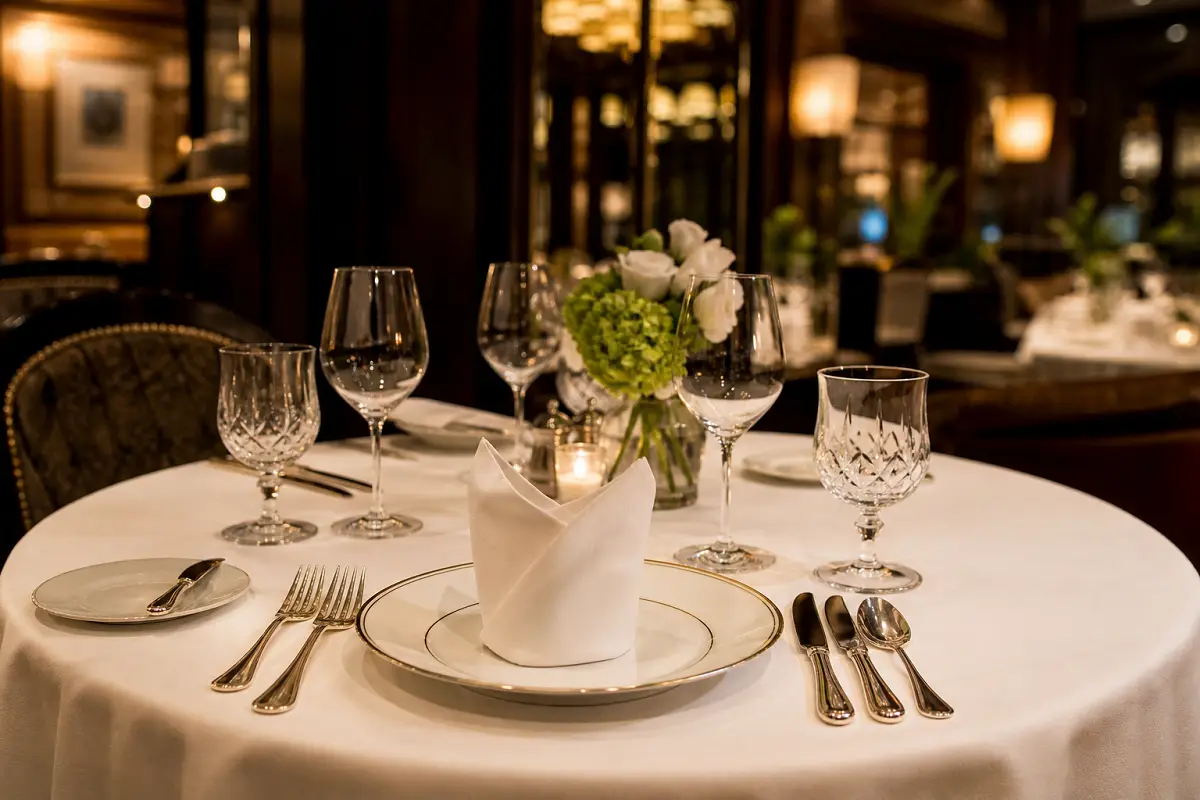
Talk in the pantry is focused on one thing messy tables slow service before the first order even hits the POS. Get the setup right, and half your job is already done. This restaurant table setup training module is built for food and beverage staff working the floor in hotels and restaurants. It locks in SOP-based table setup standards, keeps service ready, and removes service friction during busy shifts. A proper setup keeps service flowing, sharpens the guest experience, and keeps delivery consistent across every table.
Overview of Restaurant Table Setup in Operations
Restaurant table setup training is where service starts not when the guest sits, but before they walk in.
A clean, ready table cuts delays and sets the tone immediately. First impression? This is it.
Setup changes with service style à la carte, fine dining, casual. But the goal stays the same: everything in place, nothing missing, no confusion during service.
In hotel restaurants, setup must match brand standards. Cutlery, crockery, glassware, linen everything aligned the same way, every shift.
And this isn’t just about looks. A tight setup improves speed, keeps guests comfortable, and helps the team move without second-guessing. FOH and BOH stay in sync when the table is set right.
SOP Procedure for Restaurant Table Setup Training
This SOP keeps every table clean, consistent, and ready before the doors open.
1. Pre-Shift Preparation
Report before shift. Attend briefing. Check tables, chairs, and service areas everything must be clean and ready.
2. Table Cleaning and Inspection
Wipe tables with sanitized cloths. Check stability. Align properly. No shaky tables on the floor.
3. Linen Setup
Tablecloths clean, wrinkle-free, straight. Napkins folded as per standard no shortcuts.
4. Cutlery Placement
Polished cutlery only. Place in order of use. Forks left. Knives and spoons right.
5. Glassware Arrangement
Spotless glasses. Place above knives, aligned properly. No water marks.
6. Crockery Placement
Plates centered with chair. Side plates on the left clean and aligned.
7. Table Accessories
Salt, pepper, condiments, table numbers clean and placed right. No sticky bottles.
8. Final Inspection
Supervisor checks every table. No table goes live without clearance.
Operational Table Setup Steps in Service
This is your flow. Follow it, and setup stays tight even during rush.
Standard Table Setup Flow:
- Clean and sanitize table surface
- Place tablecloth or mats
- Position center plate
- Arrange cutlery as per service type
- Place folded napkin
- Set glassware (water and beverage)
- Add side plate and butter knife
- Arrange condiments and table number
- Align chairs with table setting
Standard Cover Setup (Basic):
- Dinner plate (center)
- Fork (left side)
- Knife (right side, blade inward)
- Spoon (right side)
- Water glass (top right)
- Napkin (on plate or left side)
Timing Standards:
- Table setup per cover: 2–3 minutes
- Full section setup: before service start
- Resetting table after clearing: within 3 minutes
Miss these timings, and service backs up. Hit them, and the floor stays smooth.
Guest Interaction and Table Presentation Impact
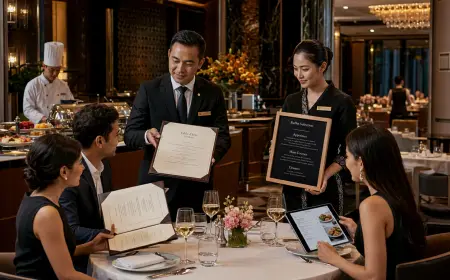
Guests read the table before they read the menu.
Presentation Standards:
- Symmetrical arrangement
- Clean, polished equipment
- Proper spacing between covers
- Same layout across all tables
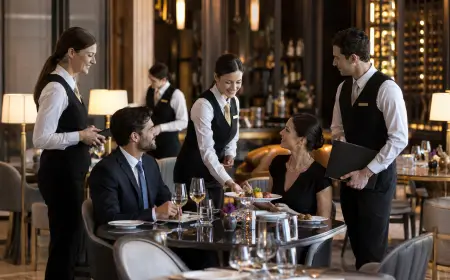
During Guest Seating:
- Chairs aligned properly
- Assist seating don’t leave guests guessing
- Adjust setup if needed (extra cutlery/glassware)
- Keep the table clean at all times
Service Adjustments:
- Add cutlery based on order
- Clear unused items fast
- Keep the table organized through the meal
A clean table builds confidence. A messy one kills the table’s vibe instantly.
Tools and Equipment for Table Setup
You can’t set fast if your tools are scattered.
Table Setup Equipment:
• Crockery (plates, bowls)
• Cutlery (forks, knives, spoons)
• Glassware (water, wine, beverage glasses)
• Linen (tablecloths, napkins)
• Table accessories (salt, pepper, condiments)
Support Equipment:
• Service trays for carrying items
• Polishing cloths
• Side stations for quick access
• Cleaning and sanitizing materials
Organized side stations save time. And time is everything during service.
Service Standards and Performance Metrics
Standards keep everyone accountable.
Key Performance Metrics:
• Table setup accuracy: 100% compliance
• Setup time per table: within 3 minutes
• Cleanliness standard: 100% adherence
• Guest satisfaction on presentation: above 90%
• Table reset efficiency: within 3 minutes
No monitoring, no consistency. Simple as that.
Evaluation and Continuous Improvement
Strong teams review, fix, and repeat.
Evaluation Methods:
• Daily pre-service inspections
• Supervisor audits during service
• Guest feedback on table presentation
• Staff performance reviews
• Training refresh sessions
Common issues? Inconsistent setups, small mistakes, peak-hour pressure.
Fix them with training, tight SOP follow-up, and supervision that actually checks.
Yes, digital checklists help. But discipline on the floor matters more.
Set the table right and the service runs itself.
Read more about Guest Handling Training here