Full Guide Casual Dining Service Training SOP: Complete Training Guide & Professional Standards
Learn casual dining service training SOP with service sequence, order taking, and guest handling techniques for efficient restaurant operations.
 Jyoti Kushwaha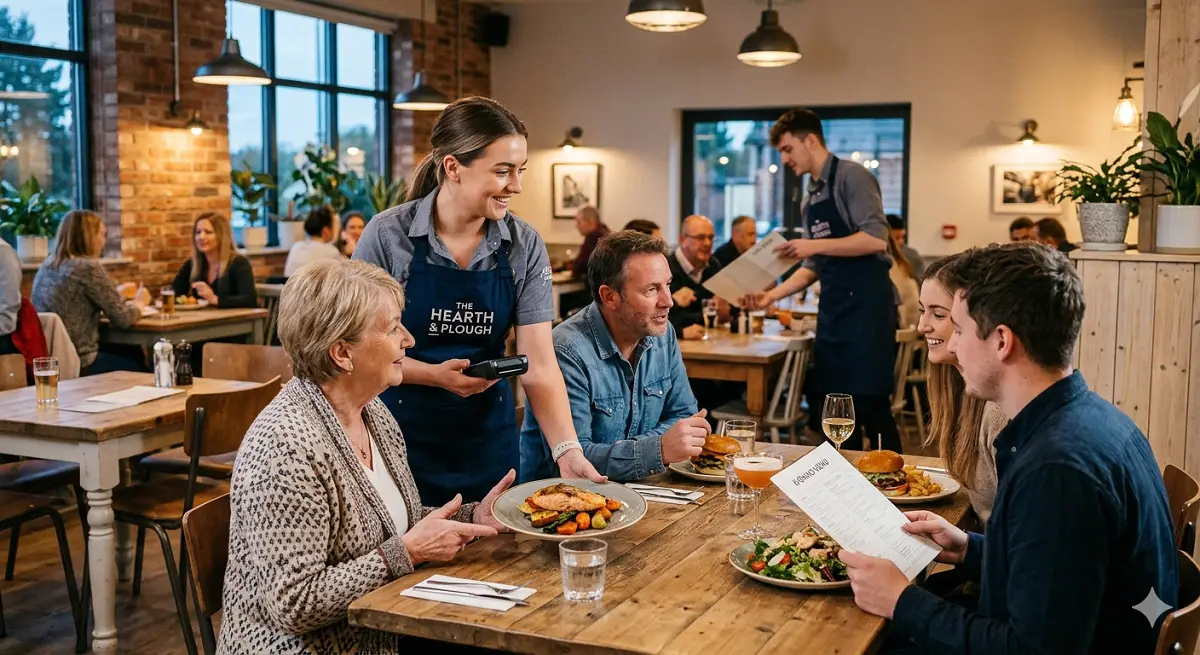
Restaurant service SOP casual dining: Talk in the pantry is always the same during rush hour. Tables don’t complain about fancy service. They complain when things are slow, wrong, or missing. This article explains Casual Dining Service Training SOP in detail.
Overview of Casual Dining Service Training SOP in Restaurant Operations
Casual dining sits in the middle. Not too formal. Not too loose. You balance speed with control. Guests want quick service, but they still expect things done right. This style runs in family restaurants, cafés, and mid-scale hotel outlets. The table’s vibe is relaxed, but expectations are clear. Fast, accurate, and smooth. You handle multiple tables at once. And during peak hours, things move fast. Miss one step, and service friction starts building. The SOP keeps everyone aligned. From greeting to billing, every move should feel consistent and clean.
Restaurant service SOP Casual Dining Procedure
1. Pre-Service Preparation
Show up ready. Grooming on point. Set your station with cutlery, napkins, menus, and POS ready to go. Briefing is key. Know the menu changes and instructions.
2. Guest Greeting and Seating
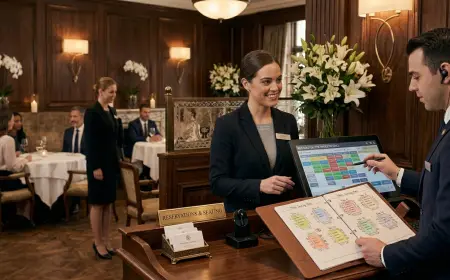
Acknowledge guests within 30 seconds. No delays. Escort them properly. Hand over menus and settle them comfortably.
3. Order Taking service sequence
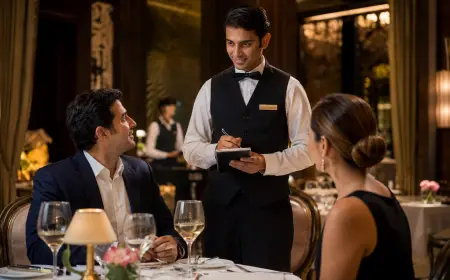
Approach within 3 to 5 minutes. Take the order clearly. Confirm everything. Repeat it back. No guesswork.
4. Order Processing
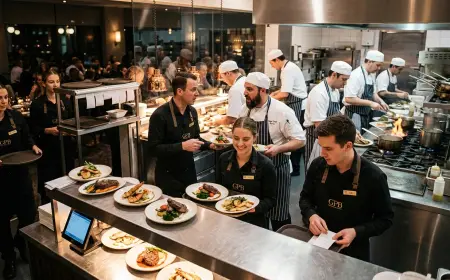
Punch the order immediately. Stay connected with the kitchen. Track the fire-order.
5. Food and Beverage Service
Serve within standard timing. Check placement, presentation, and accuracy before the plate hits the table.
6. Table Monitoring
Stay present without hovering. Refill water. Respond fast. Watch the table’s flow.
7. Billing and Payment
Bring the bill when asked. No delay. Process payment cleanly and return change or receipt quickly.
8. Table Clearance
Clear as soon as guests leave. Reset immediately. The next table should not wait.
Operational Service Sequence and Workflow
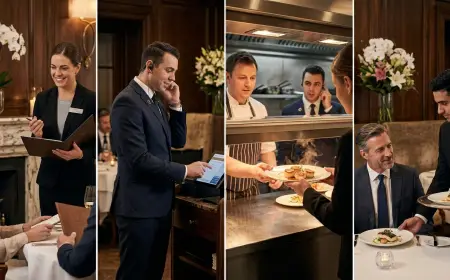
Step-by-Step Service Flow:
- Prepare service station before opening
- Greet and seat guests promptly
- Present menu and explain specials
- Take and confirm order
- Enter order into POS system
- Serve beverages within 3 minutes
- Deliver food within 10 to 15 minutes
- Check guest satisfaction after serving
- Offer additional items like dessert or beverages
- Present bill and process payment
- Clear and reset table
Service Timing Benchmarks:
a. Guest greeting: within 30 seconds
b. Order taking: within 5 minutes
c. Beverage service: within 3 minutes
d. Food delivery: within 10 to 15 minutes
e. Table clearance: within 3 minutes
f. Billing process: within 5 minutes Speed matters here. But clean execution matters more.
Guest Interaction and Service Techniques
Casual dining is friendly, but not careless. Guest handling casual dining is described below:
Communication Standards:
a. Use polite and approachable language
b. Maintain eye contact
c. Respond quickly to requests
d. Stay clear with kitchen and team communication
Service Techniques:
a. Serve from the correct side
b. Use trays for multiple items
c. Keep the table looking neat
d. Maintain cleanliness throughout service
Guest Handling Techniques:
a. Anticipate needs like water refills or condiments
b. Handle complaints calmly
c. Suggest items with confidence
d. Stay friendly but professional
Do’s and Don’ts:
Do’s:
a. Maintain hygiene and grooming
b. Double-check order accuracy
c. Stay alert on your tables
Don’ts:
a. Do not delay service
b. Do not ignore guests
c. Do not behave casually or unprofessionally
Pro tip. Guests forgive small mistakes. They don’t forgive being ignored.
Tools and Equipment for Casual Dining Service
You don’t need luxury tools. You need reliable ones.
Primary Equipment:
a. Cutlery and crockery sets
b. Glassware
c. Service trays and tray stands
d. Menu cards
Support Equipment:
a. POS system
b. Order pads and billing folders
c. Service cloths and napkins
d. Condiment holders
Handling Guidelines:
a. Keep everything clean and organized
b. Handle glassware carefully
c. Keep backup items ready
d. Sanitize tools regularly Clean setup, smooth service. Always connected.
Service Standards and Performance Metrics
Track performance. Fix gaps fast.
Key Performance Metrics:
a. Order accuracy: 100%
b. Service timing adherence: above 90%
c. Guest satisfaction: above 90%
d. Table turnover: optimized per shift
e. Hygiene compliance: 100% If these drop, service quality drops with them.
Evaluation and Continuous Improvement
Good teams review daily. Not occasionally.
Evaluation Methods:
a. Supervisor monitoring during service
b. Guest feedback and reviews
c. Order timing and accuracy reports
d. Staff performance checks
e. Regular training sessions
Common problems show up quickly. Delays. Wrong orders. Poor communication. Fix them with tighter SOP, better coordination, and consistent training. Casual dining is all about rhythm. Fast, clean, and controlled. When your flow is right, the floor runs smooth and the tables stay happy.
Read more about F&B training Restaurant SOP here.