Restaurants Expand QR Code Menus as Digital Dining Grows
QR code menu growth helps restaurants streamline ordering, payments and menu updates in 2026. Explore the latest dining trends, read more.
 Prajakta Sanjay Warwadkar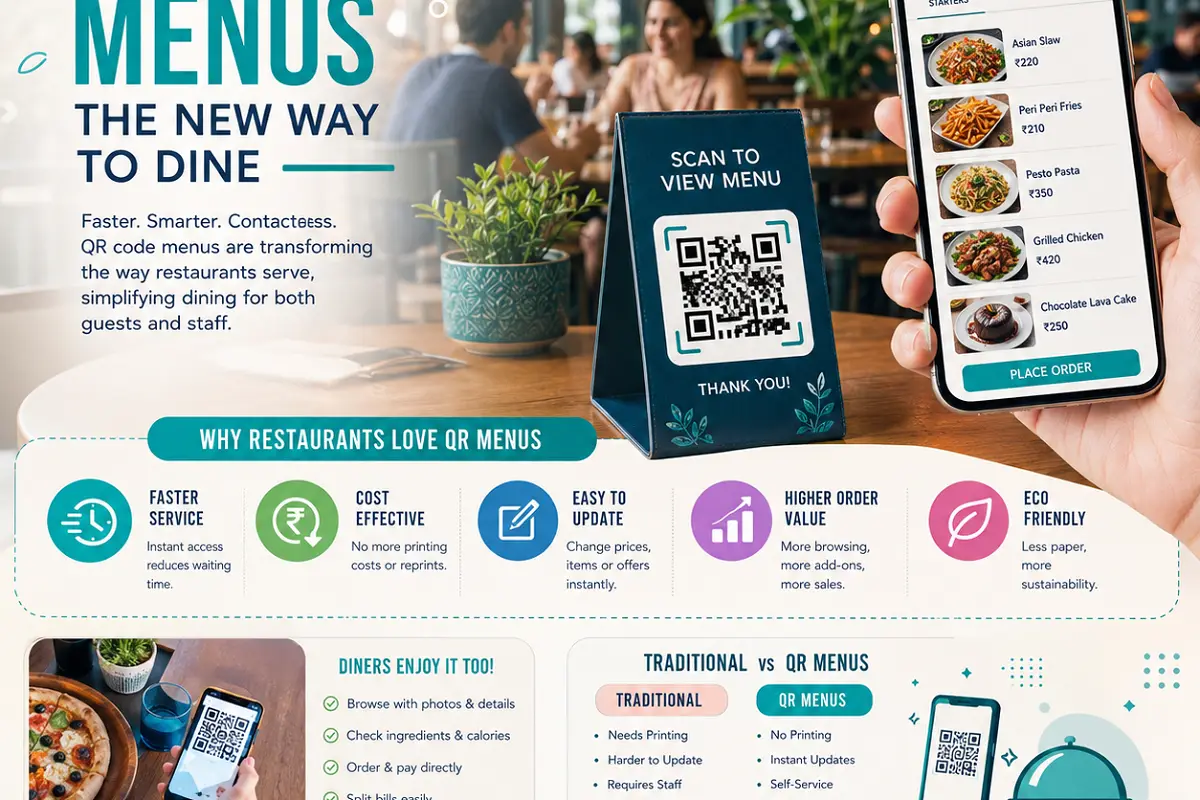
QR Code Menu Growth in Restaurants: Why Diners Don’t Really Wait for Physical Menus Anymore
QR code menus grew quickly because restaurants realised customers preferred speed and convenience over traditional menu handling in many situations. What started as a temporary solution slowly became normal restaurant behaviour, especially in cafes, food courts, quick-service chains, and even mid-range dining spaces where people now instinctively scan the table before asking for a menu. Funny thing is, many customers barely notice they’re doing it anymore.
Why Did QR Code Menus Become So Popular So Fast?
At first, QR menus spread because restaurants needed contactless systems during the pandemic years. But after that phase ended, customers kept using them anyway.
Mostly because they’re quicker.
Nobody has to wait for staff to bring menus anymore. Diners sit down, scan the code, browse instantly. In busy restaurants, that small time difference actually changes the flow of service quite a bit. Especially during lunch rushes when tables flip constantly.
Restaurants liked another part too. Printing costs dropped.
Physical menus need replacing all the time — damaged covers, updated pricing, new dishes, seasonal items. QR menus made those changes easier. One update on the backend and suddenly every table menu changes automatically. Much simpler honestly.
Though not everybody loves it.
Some customers still complain about staring at screens while eating. Fair point probably.
How Do QR Code Menus Actually Work Inside Restaurants?
Most restaurants place QR codes directly on tables, receipts, walls, or ordering stands. Customers scan the code using their phone camera, which opens a digital menu instantly.
The newer systems can also:
-
Show dish images and videos
-
Display calorie or allergen information
-
Allow direct table ordering
-
Connect with digital payment apps
-
Offer loyalty rewards automatically
Some restaurants now personalise QR menus too. If someone visits repeatedly, the system may highlight favourite dishes or recommend similar items based on past orders.
Which feels useful sometimes. Slightly creepy other times maybe. Depends on the customer honestly.
How Do QR Menus Compare to Traditional Restaurant Menus?
Both systems still work, but they create very different dining experiences.
|
Traditional Menus |
QR Code Menus |
|
Physical interaction feels familiar |
Faster and more tech-driven |
|
Easier for older diners sometimes |
Easier to update instantly |
|
No phone required |
Supports ordering and payments directly |
|
Printing costs increase over time |
Lower long-term operational cost |
|
Better for slower dining experiences |
Better for quick-service formats |
A lot of restaurants now keep both options available because customer preferences still vary widely. Younger diners usually scan immediately. Older customers often still ask, “Can we get actual menus?”
And honestly, many restaurants quietly expect that question now.
What Are Customers Actually Feeling About QR Code Menus?
Most diners appreciate the convenience more than they expected to.
People like zooming into dish photos, checking ingredients properly, and ordering without waiting for servers during busy hours. Splitting bills digitally through QR systems also became surprisingly common in group dining situations.
But there are frustrations too.
Bad internet connection inside restaurants can ruin the whole process. Some QR menus take forever to load. Others open cluttered websites with too many pop-ups or confusing layouts. Hungry customers lose patience very quickly with badly designed systems.
There’s also something slightly impersonal about everybody staring at phones at the start of a meal. Restaurants built around atmosphere or hospitality sometimes struggle with that balance.
Especially fine-dining spaces. QR menus can feel awkward there if not handled carefully.
Are QR Code Menus Actually Helping Restaurants Financially?
In many cases, yes, though maybe not dramatically overnight.
Restaurants save on printing costs, reduce manual ordering pressure, and speed up table management during peak hours. Some QR systems also increase average order values because customers browse more comfortably and notice add-ons they might skip verbally.
The biggest operational advantage usually comes from flexibility. Price changes, limited-time dishes, seasonal specials, restaurants can update everything instantly without reprinting anything.
Smaller cafes and independent restaurants have adopted QR menus fastest because they’re relatively affordable compared to larger automation systems. Even tiny coffee shops use them now. Some don’t even keep printed menus anymore.
Which still annoys a few customers honestly.
Pro-Tip
In our experience, restaurants get the best customer response when QR menus stay simple and fast instead of overloaded with animations or complicated layouts. Diners usually care more about quickly finding food and prices than interacting with flashy digital features. Restaurants that keep the process smooth tend to see higher customer satisfaction overall.
What’s Next for QR Code Menu Trends Heading Into 2026?
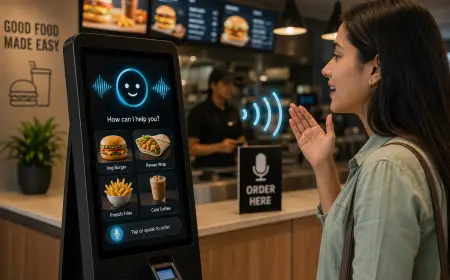
QR code menus will probably continue growing across cafes, quick-service chains, multiplex food courts, airport restaurants, and cloud kitchens heading into 2026. Voice-enabled ordering and multilingual menu systems are also starting to merge with QR platforms now.
Restaurants are slowly turning QR menus into complete dining systems instead of just digital replacements for paper menus. Ordering, payments, loyalty points, feedback, everything moving through one screen.
And honestly, physical menus may slowly become optional in many restaurants over the next few years. Not completely gone maybe. But definitely less common than before.
Keep exploring: How contactless dining is reshaping restaurants in 2026, Why AI-powered ordering systems are growing across food chains, and The future of smart restaurant technology and digital dining experiences.
Read more: Smart Kitchens Transform Restaurant Operations in 2026
Dining Out Trends 2026: Why People Prefer Dining Out Over Cooking More Than Ever
Rise of Experience-Based Restaurants: Why Are They Taking Over Dining?